What is AI Music Generation
AI music generation tools are software or online services that use artificial intelligence to automatically generate complete music compositions based on user input such as themes, emotions, styles, or simple text descriptions. These tools are based on deep learning technologies, particularly Generative Adversarial Networks (GANs) and Transformer models, which can understand music structure, harmony, rhythm, and style to create original music.
The core value of AI music generation tools lies in lowering the barrier to music creation, allowing users without music production experience to create professional music. Whether you're a content creator, musician, or enterprise user, these tools provide great convenience and creative inspiration. Modern AI music generation tools not only generate high-quality melodies and harmonies but also support lyrics creation, style customization, mood adjustment, and other advanced features.
Music generation technology dates back to computer music experiments in the 1950s, but the real breakthrough came with the rise of deep learning. Today's AI music generation tools are based on neural network models that can understand complex music structures and emotional expression, generating more natural and expressive music. These tools are widely used in video soundtracks, podcast production, game development, advertising, enterprise training, and more.
AI Music Generation Technology Overview
Modern AI music generation technology is based on deep learning and neural network models that can understand music semantics, structure, and style, generating high-quality, natural, and fluent music content. Compared to traditional music production technology, AI music generation has significant improvements in creation efficiency, style diversity, and feature richness.
Core advantages of AI music generation technology include: automatically generating complete music works (including lyrics, melody, and vocals) based on text descriptions, supporting multiple music styles and emotional expression, supporting real-time music generation and batch processing, providing royalty-free music licensing, and supporting API integration and custom parameter adjustment.
As AI technology continues to develop, music generation tool application scenarios continue to expand, from initial content creation assistance to commercial applications, professional production, and real-time streaming. Choosing the right AI music generation tool is crucial for improving creation efficiency and quality.
Best AI Music Generation Tools 2025
Here are the most recommended AI music generation tools for 2025, covering text-to-music generation, background music generation, professional arrangement, and real-time music generation, helping you choose the most suitable music generation solution based on your needs.
1. Suno
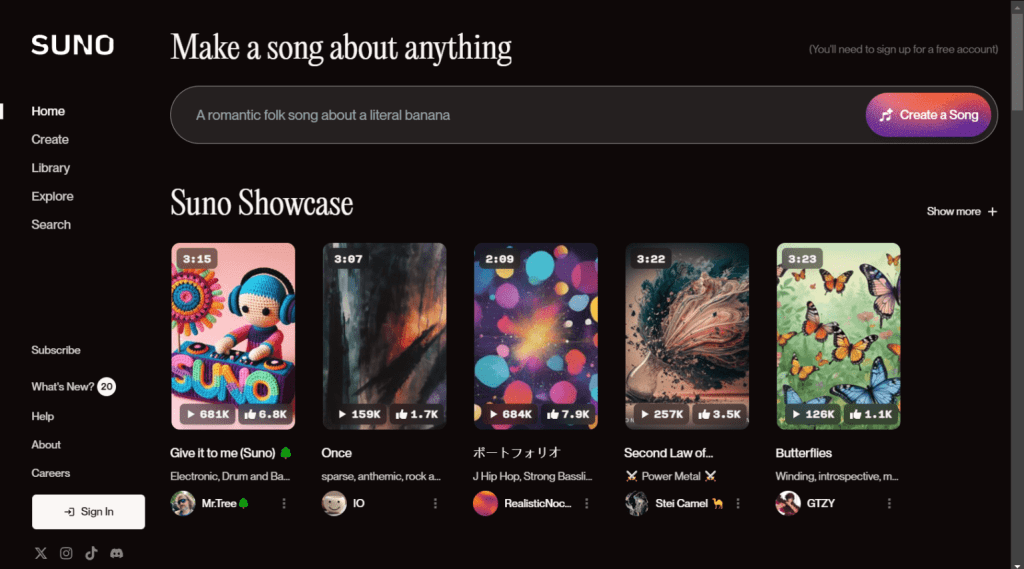
Suno is a star tool in AI music generation, centered on "text-to-music." Users simply input simple themes or emotional keywords (like "joyful summer") to automatically generate complete songs including lyrics, melody, and even vocals. Its advantage lies in extremely low entry barriers and fast output (generating nearly 2 minutes of music in 10 seconds), suitable for non-professional users to quickly create meme songs or lightweight works, though users with higher audio quality requirements may find vocals somewhat synthetic.
2. TemPolor

TemPolor is an AI-powered music generation tool where users can quickly create personalized music by inputting text or images. Generated music is royalty-free, suitable for videos, ads, and podcasts. Users pay once for lifetime usage. The tool also provides AI-driven music search, video soundtrack matching, and advanced music generation features.
3. Ace Studio
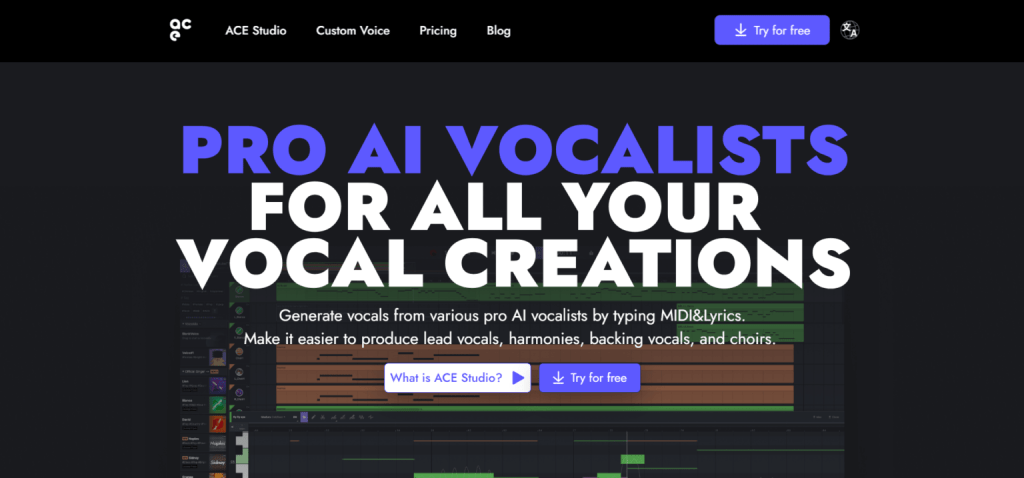
Ace Studio is a professional music arrangement tool developed by a Chinese team, focusing on professional arrangement. It supports numbered notation input and lyric synthesis, with fine-tuned vocal performance and pitch adjustment. Its core advantage is generating near-studio-quality vocals, suitable for musicians creating demos, though learning costs are higher for non-professional users.
4. Udio
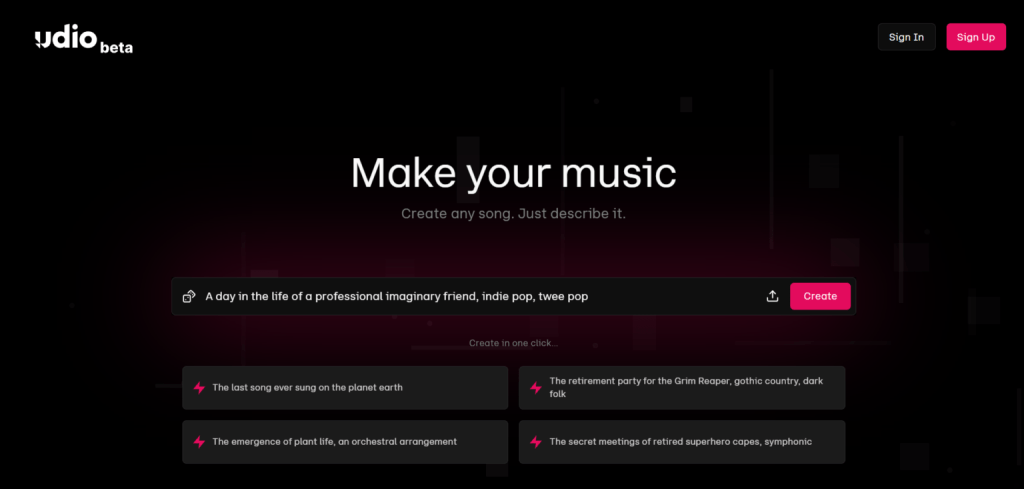
Udio is Suno's strong competitor, focusing on "collaborative generation" and audio quality enhancement, especially excelling in rock, metal, and other complex styles. Users can mix different musical elements or specify genre tags to generate more refined works, though single generation is limited to 30 seconds, requiring multiple extensions to complete full tracks. Despite slightly complex operation, vocal detail and instrument separation are closer to professional levels.
5. Soundraw

Soundraw focuses on "royalty-free music generation." Users can quickly generate background music suitable for videos and games by adjusting mood, genre, and other parameters. Though customizability is limited, its commercial friendliness and ease of use make it a practical choice for content creators.
6. Beatoven.ai

Beatoven.ai focuses on generating customized background music for video creators, supporting automatic style adjustment based on video rhythm, suitable for users needing dynamic soundtracks.
7. Soundful

Soundful provides high-fidelity music generation services, focusing on "one-click copyright-safe track generation," suitable for advertising and brand content production.
8. Musicfy

Musicfy combines AI generation with user-customized track mixing features, emphasizing flexible control over rhythm and chords.
9. Loudly
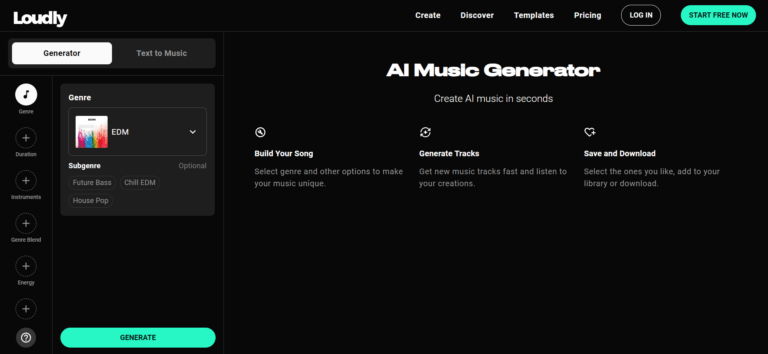
Loudly is an AI music generation tool providing multiple music styles and customization options, supporting quick generation of high-quality background music and soundtracks, suitable for content creators and video production scenarios.
10. Mubert
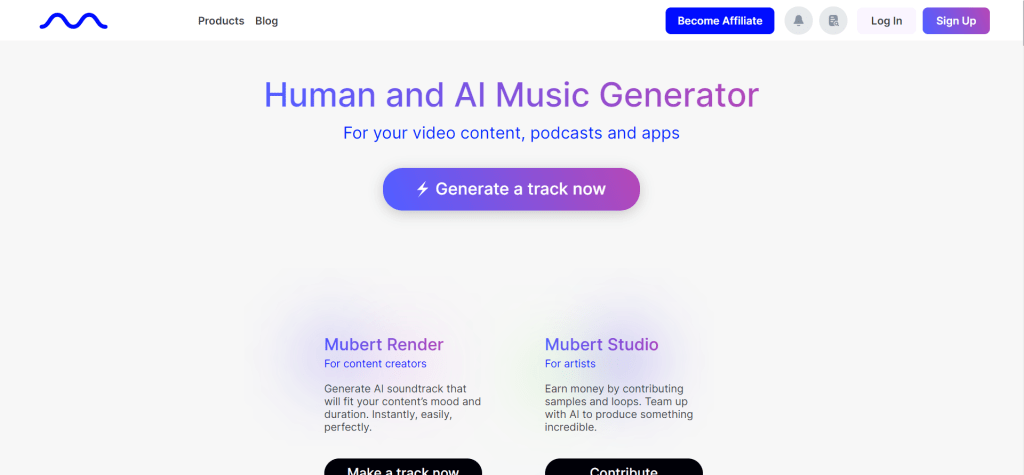
Mubert uses GAN technology to generate royalty-free electronic music in real-time. Users can generate scene-appropriate tracks by adjusting emotional tags (like "energetic" or "calm"), especially suitable for live streaming, podcasts, and other commercial uses.
11. AIVA
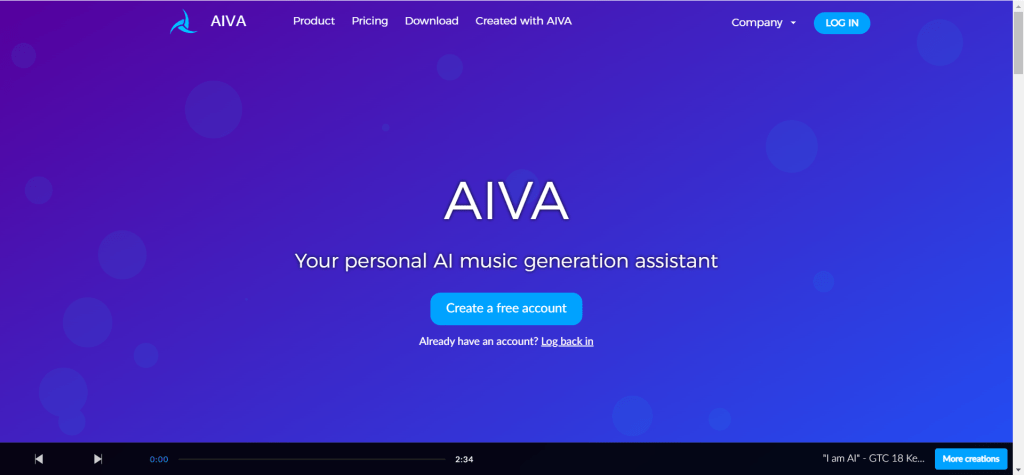
AIVA is designed for film, TV, and game soundtracks, excelling in generating emotionally rich orchestral or ambient music. Its model is trained on classical music datasets, suitable for projects requiring epic or dramatic sound effects.
Mainstream Music Generation Tools Comparison
The following comparison table of mainstream AI music generation tools helps you quickly understand each tool's features and suitable scenarios:
| Tool Name | Core Features | Use Cases | Music Quality |
|---|---|---|---|
| Suno | Text-to-music, fast output | Quick meme songs, lightweight works | Medium (synthetic vocals) |
| Udio | Collaborative generation, quality enhancement | Rock, metal, complex styles | High (near professional) |
| Soundraw | Royalty-free music generation | Video, game background music | Medium |
| Ace Studio | Professional arrangement, numbered notation | Professional musicians creating demos | High (studio quality) |
| Beatoven.ai | Video soundtracks, dynamic adjustment | Video creators dynamic soundtracks | Medium |
| Mubert | Real-time music generation | Live streaming, podcast background music | Medium |
| AIVA | Film/TV soundtracks, orchestral | Film, TV, game soundtracks | High (professional grade) |
Use Cases
Content Creation
AI music generation tools are widely used in content creation, creating background music for videos, podcasts, games, and more. These tools can quickly generate music that matches content style, improving content production efficiency and diversity.
In video production, AI music generation tools help creators quickly add background music to videos without purchasing copyrighted music or hiring professional musicians. In podcast production, these tools can generate opening music, transition music, and background music, enhancing podcast professionalism. In game development, AI music generation tools can quickly generate background music for different scenes, significantly reducing music production costs.
Music Production
Professional musicians can use AI music generation tools to assist creation, gain inspiration, and quickly create demos. These tools can generate music segments in different styles, helping musicians explore new creative directions.
AI music generation tools can serve as starting points for music creation. Musicians can modify and refine AI-generated content to create unique music. These tools are particularly suitable for musicians who need to quickly create demos or explore new styles.
Commercial Use
Enterprises can use AI music generation tools to create music for ads, corporate videos, training materials, and more. These tools provide royalty-free music licensing, significantly reducing commercial use costs and risks.
Commercial use requirements for music generation tools typically include: copyright safety, commercial friendliness, stable quality, style diversity, and more. Choosing suitable commercial-grade music generation tools can significantly improve enterprise content production efficiency and quality.
Real-Time Streaming
Live streaming and media platforms can use AI music generation tools to generate background music in real-time, providing better viewing experiences for audiences. These tools can automatically adjust music style and mood based on streaming content.
Real-time music generation requirements for tools include: low latency, high quality, no copyright issues, and more. Real-time music generation platforms like Mubert are particularly suitable for these application scenarios.
How to Choose a Music Generation Tool
Choosing the right music generation tool requires considering multiple factors, including music quality, style diversity, customizability, copyright issues, ease of use, and cost. Here are key factors to consider when selecting a music generation tool:
1. Music Quality Requirements
Music quality is the most important factor when choosing a music generation tool. When evaluating music quality, consider:
- Naturalness: Whether generated music is natural and fluent, any mechanical feel
- Audio Quality: Whether music audio quality is clear, any noise
- Vocal Quality: If vocals are included, whether vocals are natural, any synthetic feel
- Instrument Separation: Whether different instrument sounds are clearly separated
Different tools vary in music quality. Try before deciding. For scenarios requiring high music quality (such as commercial ads, film/TV soundtracks), consider high-quality tools like Udio, Ace Studio, AIVA. For simple background music, choose more cost-effective tools.
2. Style Diversity
Confirm whether tools support required music styles. Different tools vary significantly in style support:
- Pop Music: Most tools support pop music styles
- Electronic Music: Tools like Mubert specifically support electronic music
- Rock, Metal: Tools like Udio excel in complex styles
- Classical Music: Tools like AIVA specifically support classical and orchestral music
If you need to switch between multiple styles, choose tools supporting more styles, such as Suno, Udio. If you only need specific styles, choose specially optimized tools.
3. Customizability
If you need fine control over music parameters, choose tools supporting customizability. Customizability includes:
- Length Adjustment: Whether music length can be adjusted
- Style Adjustment: Whether music style and mood can be adjusted
- Parameter Control: Whether rhythm, pitch, and other parameters can be adjusted
- Mix Editing: Whether different music elements can be mixed
For scenarios requiring fine control, choose tools supporting customizability, such as Ace Studio, Musicfy. If you only need quick generation, choose simple-to-operate tools.
4. Copyright Issues
Commercial use requires special attention to copyright issues. When choosing tools, consider:
- Commercial License: Whether generated music can be used commercially
- Copyright Ownership: Who owns the music copyright
- Usage Restrictions: Whether there are usage restrictions or requirements
- Licensing Method: Whether additional authorization is needed
Most tools provide commercial licenses, but carefully read service terms. Tools like Soundraw, TemPolor explicitly provide royalty-free licensing, particularly suitable for commercial use.
5. Ease of Use and Cost
Ease of use and cost are also important factors when choosing tools:
- Simple Operation: Whether it's easy to get started, whether music production experience is needed
- Free Tier: Whether free trial tiers are provided
- Subscription Pricing: Monthly or annual subscription prices
- Pay-as-You-Go: Pricing based on generation count or duration
For individual users and small-scale use, choose tools with free tiers, such as Suno, Udio. For large-scale commercial use, consider enterprise plans, typically with better pricing and services.