Introduction
Creator contests are emerging as an innovative growth strategy and an important tool for AI and SaaS products to acquire users, build brands, and generate content. By setting up reward mechanisms that encourage users to create and submit works using the product, companies can obtain large amounts of high-quality user-generated content (UGC) in a short time, spark discussions on social media, and enhance brand awareness.
Creator contests come in various organizational forms, including AI tool-hosted challenges, third-party competitions, and joint ventures between tools and third parties. Different organizational forms have different advantages and applicable scenarios. This article will explore how to design and implement effective creator contests, covering organizational form classification, prize structure design, promotion strategies, execution management, and success case analysis, helping AI and SaaS products achieve growth and brand building goals through creator contests.
What is a Creator Contest?
Creator contests (also known as Challenges, Competitions, Hackathons, Festivals, or Awards) are creative competition activities organized by companies. These activities encourage users to create content using products and submit works for evaluation through reward mechanisms. Contests typically have clear themes, rules, time limits, and judging criteria, ultimately selecting outstanding works and awarding prizes.
Creator contests are widely used in AI creation fields, primarily covering the following types:
- AI Image Creation:Such as Civitai Daily Challenges, NightCafe Challenges, encouraging users to generate high-quality image works
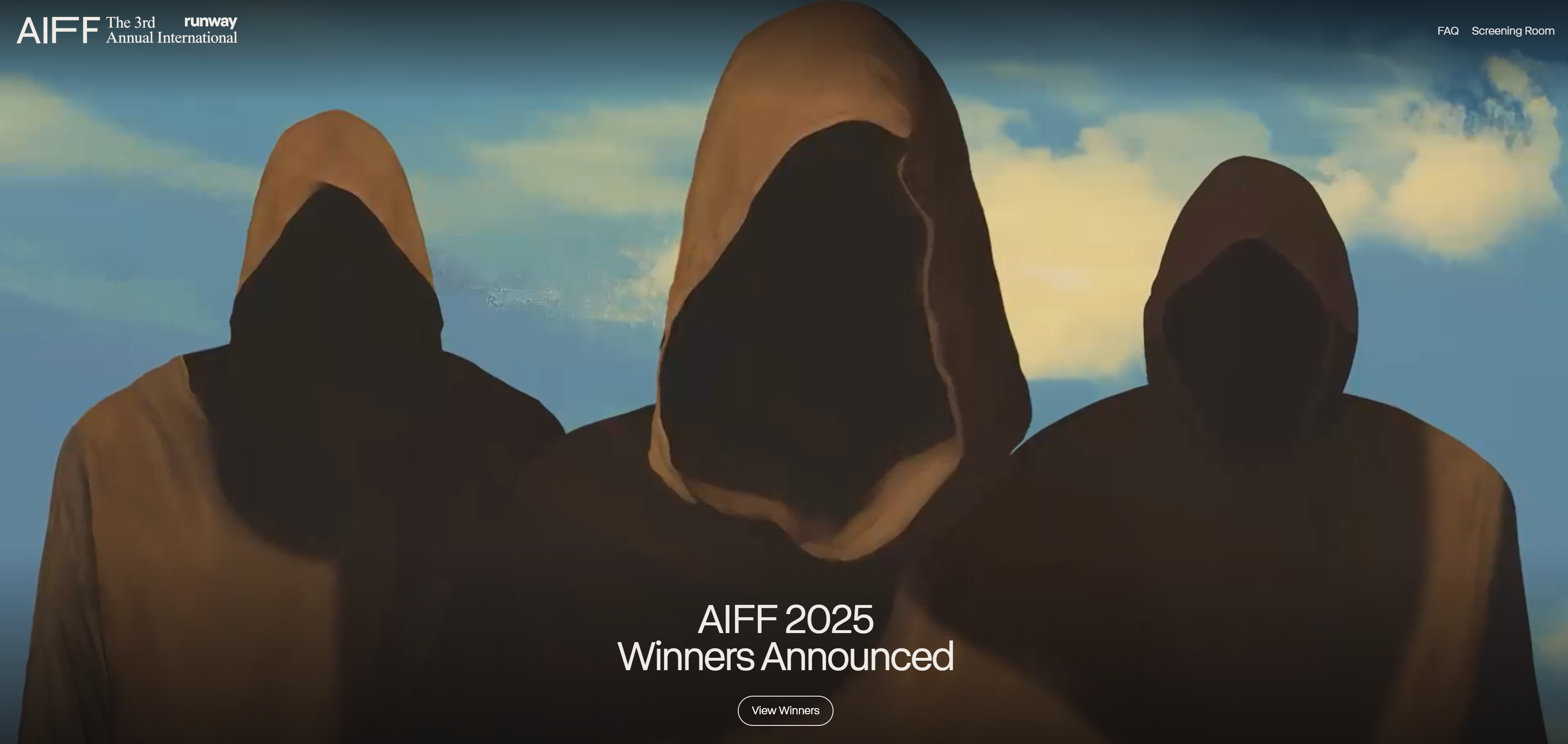
- AI Video/Film Production:Such as Runway AI Film Festival, LTX Studio Beyond the Prompt, promoting AI video creation innovation
- AI Music Production:Such as Singify Challenges, AI Song Contest, exploring AI music creation possibilities
- AI 3D Creation:Such as Tripo AI Events, Meshy Creative Challenges, focusing on 3D modeling and rendering creation
- Comprehensive Creation Platforms:Such as OpenArt ComfyUI Contest, Chroma Awards, covering multiple creation forms
Core characteristics of creator contests include:
- Time Limits:Contests usually have clear start and end times, creating urgency and encouraging users to participate quickly
- Clear Themes:Set clear creative themes or requirements to ensure works align with brand and product positioning
- Reward Mechanisms:Attract participants through cash, product access, platform exposure, and other rewards
- Judging Mechanisms:Select outstanding works through professional judging, community voting, or hybrid methods
- Transparency:Contest rules, judging criteria, and results are usually public and transparent, enhancing trust
Regardless of the name or form, the core goal of creator contests is to incentivize user creation through reward mechanisms, thereby obtaining user-generated content, enhancing brand awareness, and increasing user engagement.
Creator Contests vs Creator Programs
Although both creator contests and creator programs drive brand growth through collaboration with creators, they differ in goals, timing, participation methods, and incentives. Understanding these differences helps you choose the most suitable growth strategy:
| Comparison Dimension | Creator Contests | Creator Programs |
|---|---|---|
| Time Characteristics | Time-limited (usually 1-3 months) | Long-term ongoing program |
| Participation Threshold | Open to all users | Requires application and screening |
| Main Goals | Concentrated exposure, topic discussion, UGC content | Long-term brand building and content co-creation |
| Incentive Methods | Cash rewards, product access, platform exposure | Credits, free usage, long-term collaboration |
| Content Output | Large volume of works generated in a short time | Continuous stable content output |
| Topic Potential | Strong, easily sparks social media discussion | Weak, continuous but scattered |
| Cost Structure | One-time investment, controllable costs | Continuous investment, long-term costs |
Key Difference:Creator contests are better suited for generating topics and content in a short time, while creator programs are better for building long-term brand partnerships. Many companies run both strategies simultaneously: creator contests for short-term exposure and topic marketing, creator programs for long-term brand building.
If you need to learn more about creator programs, you can refer to our Creator Program Guide.
Core Value of Creator Contests
Creator contests bring multiple values to AI and SaaS products, making them an important component of modern growth strategies:
- Brand Exposure and Awareness:Contest activities themselves are topics that easily spark discussion and sharing on social media. Showcasing and sharing winning works can continuously bring brand exposure and enhance brand awareness.
- User-Generated Content (UGC):Contests can generate large amounts of high-quality user-generated content in a concentrated manner, which can be used for product showcases, marketing materials, case studies, etc., enriching the brand content library.
- Community Building:Contest activities can stimulate community participation enthusiasm and enhance users' sense of belonging and loyalty to the brand. Interaction and competition among participants help build an active community atmosphere.
- Product Feature Showcase:Through contest works, companies can showcase the powerful features and creative potential of products, attracting potential users. Outstanding works often become the best promotional materials for products.
- Media Attention and Spread:Large contest activities easily gain media attention, generating additional brand exposure. Media coverage and sharing of winning works can bring more traffic and users.
- User Acquisition:Contest activities can attract new users to try products, especially potential users interested in rewards. After experiencing products through contests, some users may convert into long-term users.
- Cost Effectiveness:Compared to traditional advertising, creator contests typically have higher ROI. Through relatively small reward investments, companies can obtain large amounts of content, exposure, and users, with controllable costs and trackable effects.
Types of Creator Contests
Creator contests can be classified according to different dimensions. Understanding these types helps you choose the most suitable contest format:
By Content Type
- Image Creation Contests:Suitable for AI image generation tools, design tools, etc., encouraging users to create image works
- Video Creation Contests:Suitable for video editing tools, AI video generation tools, etc., encouraging users to create video works
- Music Creation Contests:Suitable for AI music generation tools, audio editing software, etc., encouraging users to create music works
- Design Contests:Suitable for design tools, template platforms, etc., encouraging users to design templates, components, or interfaces
- Code Contests:Suitable for development tools, AI programming assistants, etc., encouraging users to write code or develop applications
By Duration
- Time-Limited Challenges (48 hours - 1 week):Time-pressured, suitable for quickly generating topics and content, ideal for small contests or themed challenges
- Short-Term Contests (1-2 months):The most common format, balancing time urgency and creation time, suitable for most products
- Long-Term Contests (3-6 months):Provide participants with sufficient creation time, suitable for large contests or complex work creation
By Theme
- Specific Theme Contests:Set clear themes (such as "Future City", "Sci-Fi Style", etc.) to ensure works align with brand positioning
- Open Theme Contests:No theme restrictions, encouraging free creation, able to obtain more diverse works
- Holiday Theme Contests:Combined with holidays or special events (such as Spring Festival, Halloween, etc.) to enhance topic potential and participation
By Participation Threshold
- Professional Contests:Target professional creators, require higher work quality, rewards are usually more generous
- Amateur Contests:Open to all users, lower participation threshold, encouraging more people to participate
- Student Contests:Specifically targeting student groups, usually in cooperation with educational institutions, cultivating future users
Organizational Forms of Creator Contests
Based on the organizer and funding source, creator contests can be divided into three main forms. Understanding these forms helps you choose the most suitable contest strategy or decide whether to collaborate with other organizations:
| Organizational Form | Organizer | Funding Source | Tool Requirements | Advantages | Use Cases |
|---|---|---|---|---|---|
| AI Tool-Hosted Challenges | AI Tool Provider | Tool Provider Bears | Only Use Own Tool | Brand Focus, Controllable Costs, Direct User Conversion | Product Promotion, User Acquisition, Community Building |
| Third-Party Competitions | Third-Party Organization (Media, Platform, Brand, etc.) | Third-Party Bears | Multiple Tools Available | Large Influence, Media Attention, Brand Exposure | Industry Influence, Brand Building, Media Cooperation |
| Tool and Third-Party Joint Ventures | Tool Provider + Third Party | Third Party Provides Prizes, Tool Provider Provides Tools | Specified Tool or Tool Combination | Resource Complementarity, Influence Overlap, Cost Sharing | Large Contests, Brand Cooperation, Resource Integration |
1. AI Tool-Hosted Challenges
This is the most common contest format, organized and managed by the AI tool provider, requiring participants to use only that tool to create works. The advantages of this format include brand focus, controllable costs, and direct user conversion. The tool provider fully bears the costs, including rewards, promotion, judging, etc., but can fully control the contest direction and brand presentation.
This format is particularly suitable for frequent hosting, forming daily challenges, weekly challenges, and other regular activities that help build community culture and user habits. Participants directly experience the product, with short conversion paths, effectively improving user activity and product usage rates. Typical cases include Civitai's daily challenges, NightCafe's daily challenges, Fotor's regular challenges, etc. These platforms have built active communities through frequent challenge activities. More specific cases can be found in the success case analysis section below.
Suitable scenarios: Product promotion and user acquisition, community building and user activity improvement, product feature showcase and education, user-generated content collection, brand building and user habit cultivation.
2. Third-Party Competitions
Competitions organized by third parties (such as media, platforms, brands, industry associations, educational institutions, etc.), usually allowing participants to use multiple different AI tools. The advantages of this format include large influence and high media attention, but tool providers need to actively participate or sponsor to gain exposure.
Prizes and costs are borne by third parties, and tool providers may need to pay sponsorship fees or provide tool access. Since specific tools are not restricted, competition is more intense, but it can also bring greater industry influence and brand authority. Typical cases include Chroma Awards (total prize pool $175,000+, covering Film, Music Video, and Games categories), AI Song Contest, King's College London AI Art Challenge, MIT AI Film Hack, etc. These contests usually have higher prize pools and professional judging mechanisms, attracting top creators to participate. More specific cases can be found in the success case analysis section below.
Suitable scenarios: Building industry influence and brand authority, gaining media attention and coverage, establishing cooperative relationships with industry organizations, showcasing product position in the industry, expanding brand awareness and influence.
3. Tool and Third-Party Joint Ventures
Jointly organized by tool providers and third parties, usually with third parties providing prizes and promotion resources, and tool providers providing tool access and technical support. This format combines the advantages of both organizations, achieving resource complementarity and influence overlap, suitable for large contests and brand cooperation.
Cost sharing reduces the burden on a single party, while influence overlap can combine resources and audiences from both sides, expanding contest coverage. Usually requires the use of specified tools or tool combinations, ensuring brand presentation for tool providers while leveraging third-party resources and influence. Typical cases include Runway AI Film Festival (Runway collaborating with film festival organizations), MIT AI Filmmaking Hackathon (OpenArt sponsoring MIT), Timbaland x Suno (musician brand cooperation), etc. These collaborations often generate greater influence and media attention. More specific cases can be found in the success case analysis section below.
Suitable scenarios: Large contest activities requiring more resources and influence, brand cooperation and resource integration, reducing single-party costs and risks, expanding audience scope and influence, establishing long-term cooperative relationships.
Selection Recommendation:For most AI tools, it's recommended to start with self-hosted Challenges, which are cost-controllable and directly effective. When the product has certain influence, consider participating in third-party competitions or joint ventures with third parties to gain greater influence and media attention. All three forms can be conducted simultaneously, forming a multi-level contest strategy.
How to Design a Creator Contest
Designing a successful creator contest requires comprehensive consideration of multiple factors. The following are key steps in designing contests:
1. Define Contest Goals
Before starting to design a contest, you need to clarify the main goals. Common goals include:
- Brand Exposure:Enhance brand awareness and topic discussion
- User Acquisition:Attract new users to register and use the product
- Content Generation:Obtain large amounts of high-quality user-generated content
- Community Building:Enhance user participation and community activity
- Product Showcase:Showcase product features and creative potential
Different goals affect contest design. For example, if the goal is brand exposure, larger rewards and broader promotion may be needed; if the goal is content generation, clearer themes and stricter judging criteria may be needed.
2. Determine Contest Theme
Contest themes should align with product positioning and brand image while being attractive enough. Themes should showcase core product features and advantages, match target users' interests and creative preferences, have topic potential to easily spark discussion and sharing, and give participants sufficient creative space, avoiding excessive restrictions.
3. Set Timeline
Reasonable timeline design is crucial for contest success. Typical timelines include warm-up period (1-2 weeks, advance promotion, accumulate attention and anticipation), registration period (1 week, open registration, collect participant information), creation period (1-2 months, participants create and submit works), judging period (1-2 weeks, judge works, select winners), and announcement period (1 week, announce results, showcase winning works, continuous sharing).
4. Choose Judging Method
Judging methods directly affect contest fairness and participation. Common judging methods include professional judging (by industry experts or internal teams, ensuring professionalism and fairness), community voting (by community users, enhancing participation and interaction), and hybrid judging (combining professional judging and community voting, balancing professionalism and participation). When choosing judging methods, consider contest scale, target audience, and resource constraints. Large contests usually adopt hybrid judging, small contests can use professional judging.
Prize Structure Design
Prizes are one of the most important factors in attracting participants. Designing a reasonable prize structure can maximize participation and topic potential. Common prize types include:
1. Cash Prizes
Cash prizes are the most direct and attractive reward form. Based on contest scale and budget, different levels of cash prizes can be set: First prize usually accounts for 30-50% of total budget, with amounts sufficient to attract professional creators; second prize accounts for 20-30%, rewarding multiple excellent works; third prize accounts for 10-20%, rewarding more participants; special prizes (such as Best Creativity Award, Best Technical Award, etc.) can also be set to increase topic potential. Reference cases: OpenArt's ComfyUI Workflow Contest has a total prize pool of $13,300, Runway's AI Film Festival has a total prize pool exceeding $60,000, Chroma Awards 2025 has a total prize pool of $175,000, and 1 Billion AI Film Award sets a grand prize of $1,000,000.
2. Product Access/Credits
For AI tools and SaaS products, providing free access or credits is a cost-effective reward method. You can provide 1-year or lifetime free subscriptions (high value and controllable costs), large credit rewards (for products using credit systems), or provide access to premium features or exclusive features.
3. Platform Exposure Opportunities
Platform exposure is a reward many creators value, bringing exposure and attention. This includes showcasing winning works on the homepage or dedicated pages, promoting winning works and creators on official social media accounts, making winning works into case studies for long-term display, and assisting winners in obtaining media coverage and interview opportunities.
4. Brand Collaboration Opportunities
For excellent creators, deeper collaboration opportunities can be provided, such as inviting winners to join creator programs for long-term collaboration, selecting excellent creators as brand ambassadors, or inviting participation in future collaboration projects and activities.
Prize Structure Design Recommendations
When designing prize structures, ensure prizes are attractive enough (first prize usually needs $1,000-$10,000 or higher), set multi-level prizes to give more participants a chance to win, find balance between attractiveness and costs to ensure reasonable ROI, and diversify prize forms (combining cash, product access, exposure opportunities, etc.) to meet different participants' needs.
Contest Rules and Judging Criteria
Clear contest rules and judging criteria are key to ensuring contest fairness and success. Rules should be clear and easy to understand, judging criteria should be objective and measurable.
Key Points of Contest Rules
Contest rules need to clarify originality requirements (works must be original, plagiarism or use of others' works prohibited), technical requirements such as work format, size, duration, submission methods and deadlines, participation eligibility restrictions (region, age, etc.), work usage rights ownership (whether companies can use works for promotion), and prohibited behaviors (such as vote manipulation, cheating, etc.).
Key Points of Judging Criteria
Judging criteria should be objective and measurable, usually including creativity (30-40%, work's creative level, uniqueness, and innovation), technical quality (20-30%, work's technical level, production quality, and completion), theme alignment (20-30%, whether work meets contest theme and requirements), and product usage (10-20%, whether work fully showcases product features and characteristics) and other dimensions. Judging criteria should be made public before the contest starts, letting participants understand evaluation basis, enhancing fairness and transparency.
How to Promote Contests
Promotion is key to contest success. Even with the best prizes and rules, contests cannot achieve expected results without enough participants. The following are main channels and strategies for promoting contests:
1. Official Channel Promotion
Official channel promotion includes setting contest banners on the homepage, creating dedicated contest pages with detailed rules and prizes, sending email notifications to existing users, pushing in-app notifications to remind users to participate, and publishing blog articles introducing contests and sharing past winning works to increase attractiveness.
2. Social Media Promotion
Social media promotion requires strategies tailored to different platform characteristics: Twitter/X is suitable for contest announcements and using hashtags, Instagram is suitable for visual promotion and Stories promotion, LinkedIn targets professional creators and B2B users, YouTube can publish introduction videos, TikTok and other short video platforms are suitable for making short videos leveraging algorithm recommendations. It should be noted that not all contests need dedicated official landing pages. Some lightweight challenge activities (such as Pixverse's regular challenges) may be published directly on social media, which is more suitable for quick launch and low-cost small challenges. When choosing whether to create a landing page, consider contest scale, budget, and promotion strategy. For detailed discussion on different landing page strategies, refer to the "Different Landing Page Strategies for Contests" section below.
3. Creator Collaboration Promotion
Collaborating with creators for promotion is an effective way to reach targeted audiences. You can invite creator program members to promote contests (they usually have high participation enthusiasm), collaborate with well-known creators in the industry to invite them to participate or promote contests, or invite past winners to share experiences and promote new contests.
4. Community and Forum Promotion
Community and forum promotion includes publishing contest information in relevant Reddit subreddits and participating in discussions, promoting contests in Discord servers and interacting with community members, publishing contest information in industry professional forums, and sharing contest information in relevant Facebook groups.
5. Media Collaboration Promotion
Media collaboration promotion can invite media coverage through press releases, collaborate with industry media to obtain coverage and promotion, or mention contests in relevant podcasts to expand influence.
6. Partner Promotion
Partner promotion includes collaborating with other brands to jointly promote contests, promoting contests on relevant platforms (such as Behance, Dribbble, etc.), or collaborating with educational institutions to invite students to participate.
Promotion Timeline Recommendations
Promotion timeline recommendations are divided into warm-up period (start promotion 2-4 weeks before contest starts, accumulate attention, publish preview content), launch period (concentrated promotion in the first week of contest, publish official announcements, maximize exposure), ongoing period (continuous promotion, share excellent works, maintain topic heat), ending period (remind deadline, encourage final submissions), and follow-up period (showcase winning works, continuous sharing, accumulate attention for next contest).
Contest Execution and Management
Contest execution and management are key to ensuring contests proceed smoothly and succeed. The following are key aspects of executing and managing contests:
- Work Collection and Management:Choose appropriate submission platforms (such as Google Forms, dedicated contest platforms, etc.), establish work classification systems, verify participant information and work originality, regularly backup work data.
- Judging Process Management:Establish clear judging processes, including initial screening, professional judging, community voting (if applicable), comprehensive scoring, and result review, ensuring judging fairness.
- Result Announcement and Showcase:Announce results within 1-2 weeks after contest ends, showcase winning works on official website and social media, interview winning creators, make winning works into case studies for long-term display.
- Winner Communication and Prize Distribution:Contact winners promptly to confirm information, distribute prizes according to commitments in a timely manner, follow up with winners to invite participation in future activities or collaborations.
- Data Tracking and Analysis:Track participation numbers, work quantities, social media data, website traffic growth, new user registrations and conversions, analyze contest input and output ROI.
Success Case Analysis
The following is a comparative analysis of successful creator contest cases in different organizational forms, helping you understand the characteristics and success factors of various contests:
Key successful contests include Runway AI Film Festival ($60,000+ prize pool), Chroma Awards ($175,000 prize pool), OpenArt ComfyUI Contest ($13,300), Civitai Daily Challenges, NightCafe Daily Challenges, and many others. These contests demonstrate different organizational forms, prize structures, and promotion strategies. For detailed case information, please refer to the comprehensive comparison table in the Chinese version of this article.
Contest Landing Page Showcase
Below are screenshots of landing pages from successful contests, showcasing different design styles and presentation methods:
Runway AI Film Festival
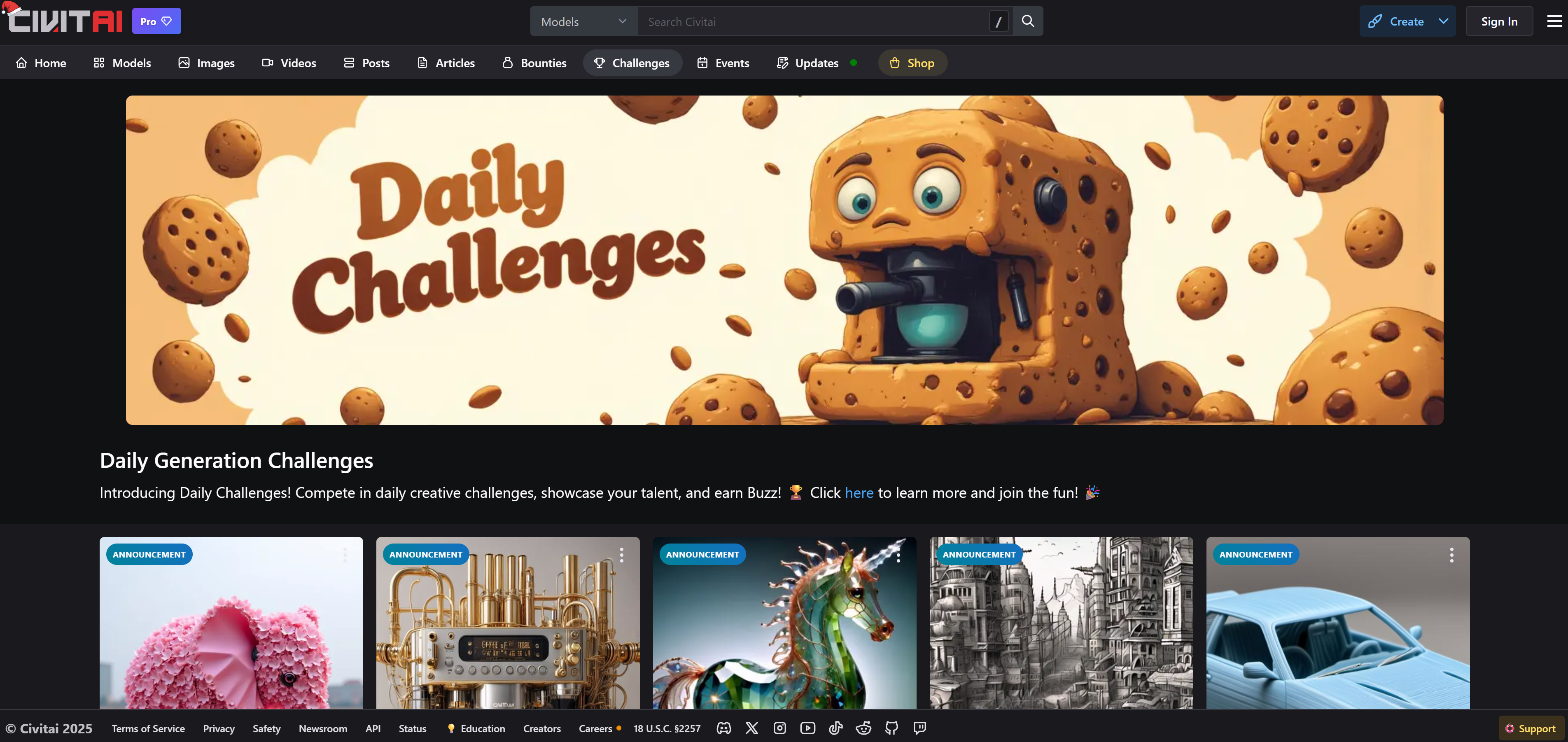
Civitai Daily Challenges
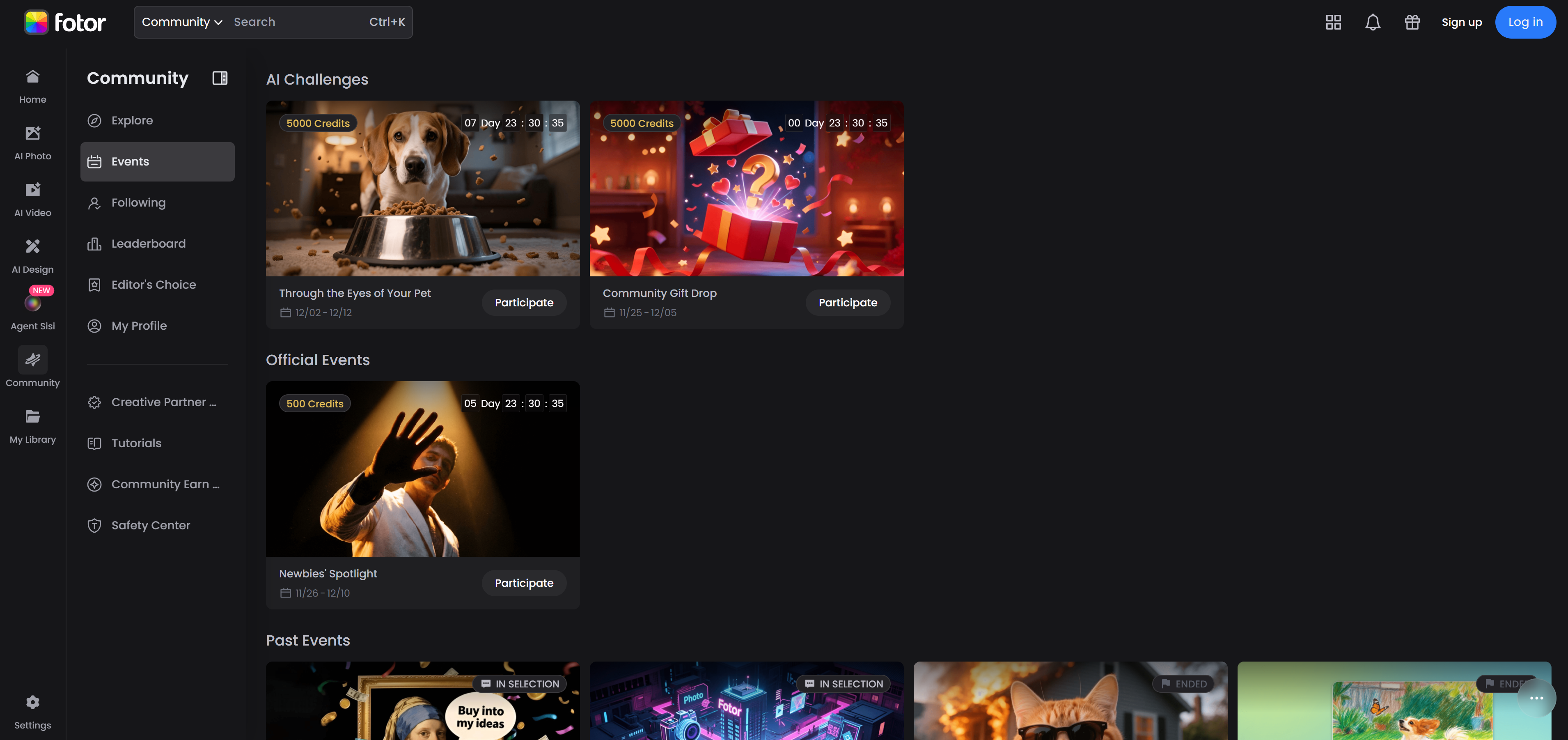
Fotor AI Art Challenges
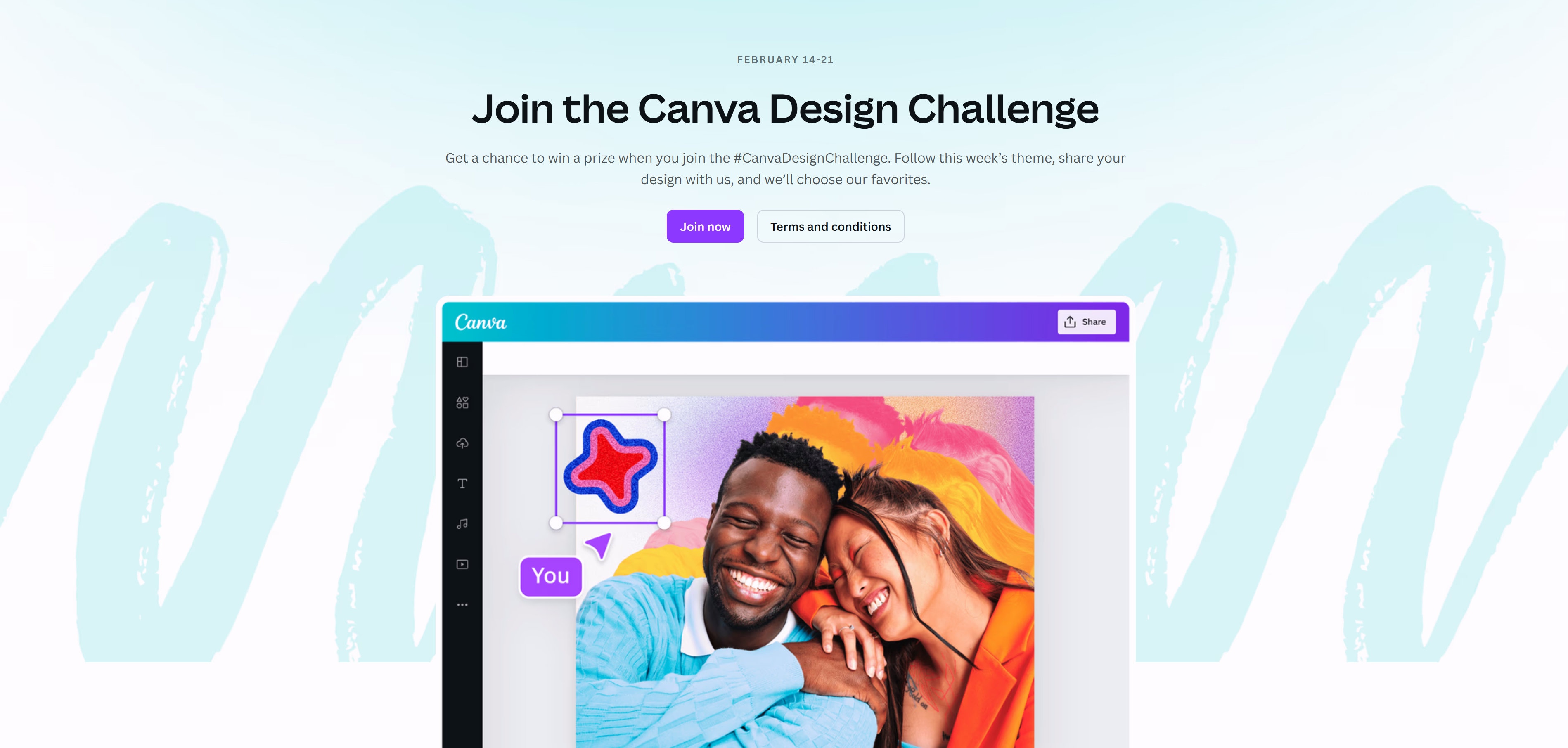
Canva Design Challenge
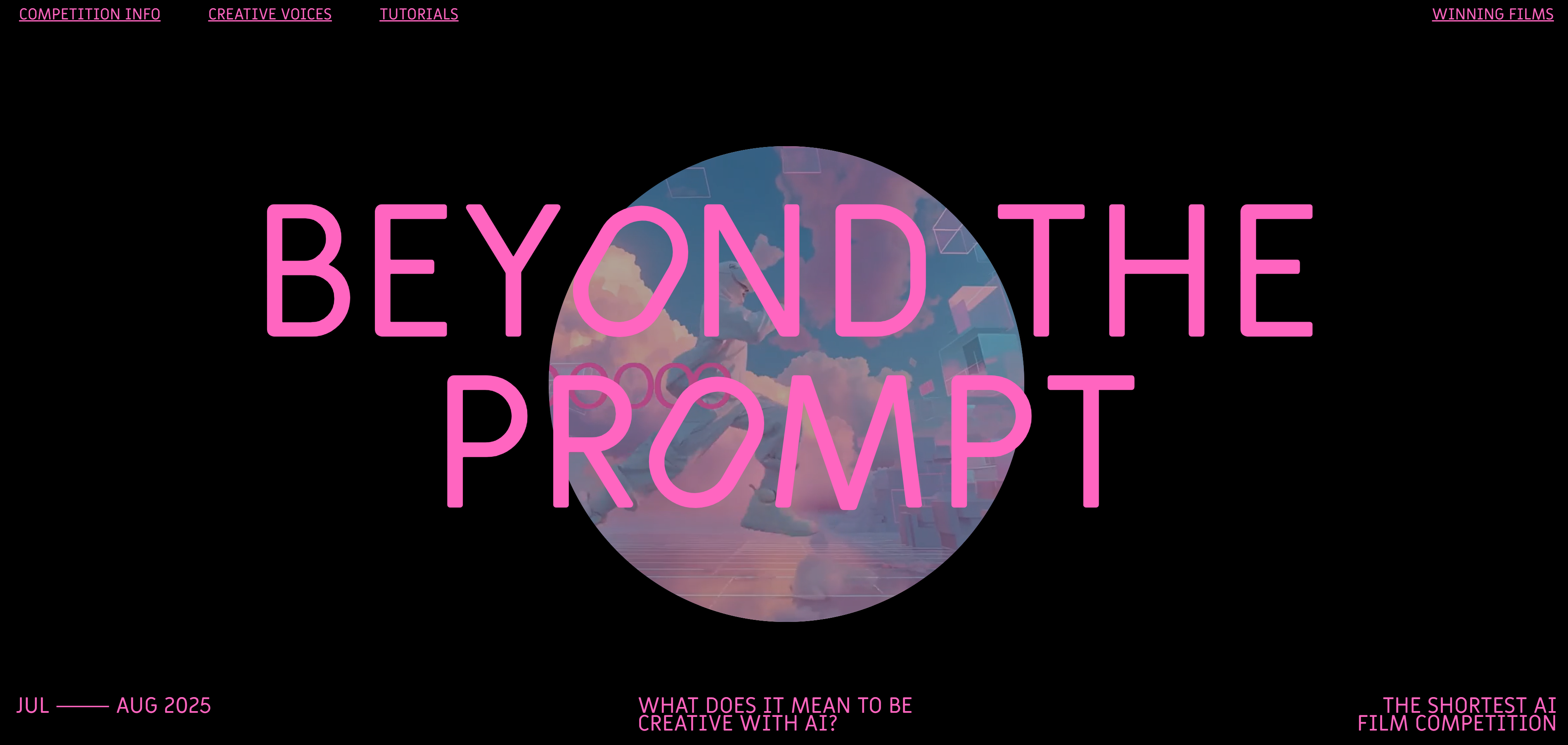
LTX Studio Beyond the Prompt
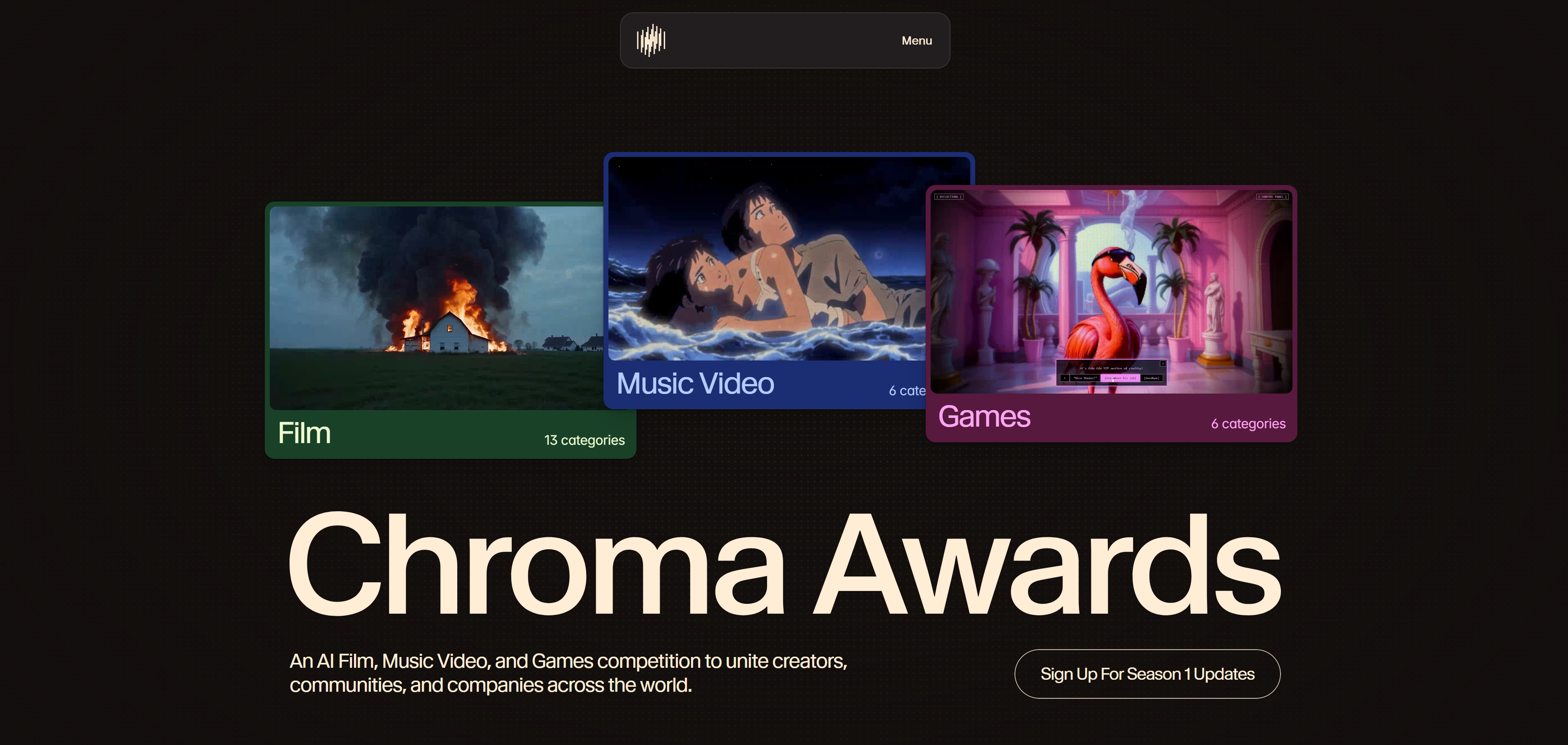
Chroma Awards 2025
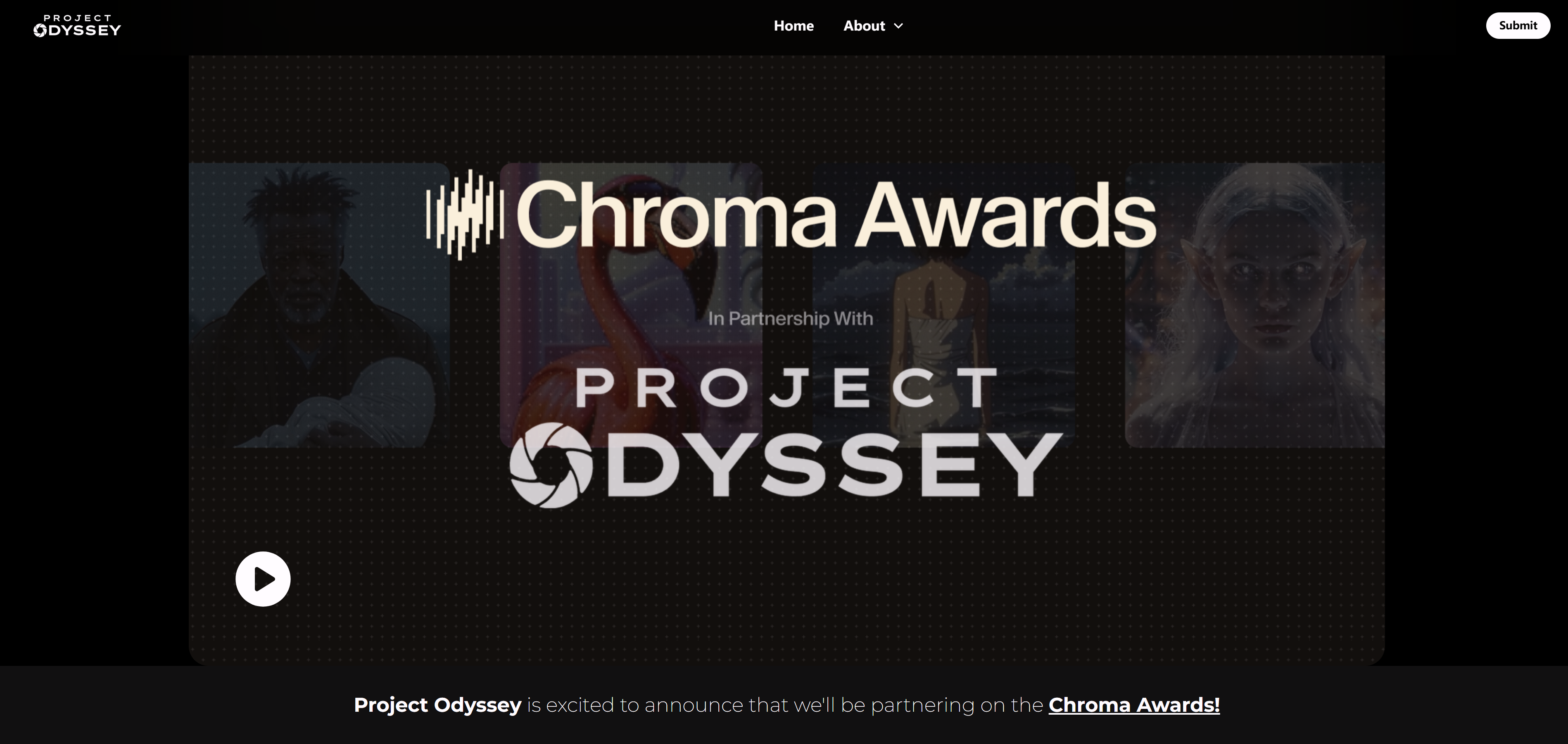
Project Odyssey
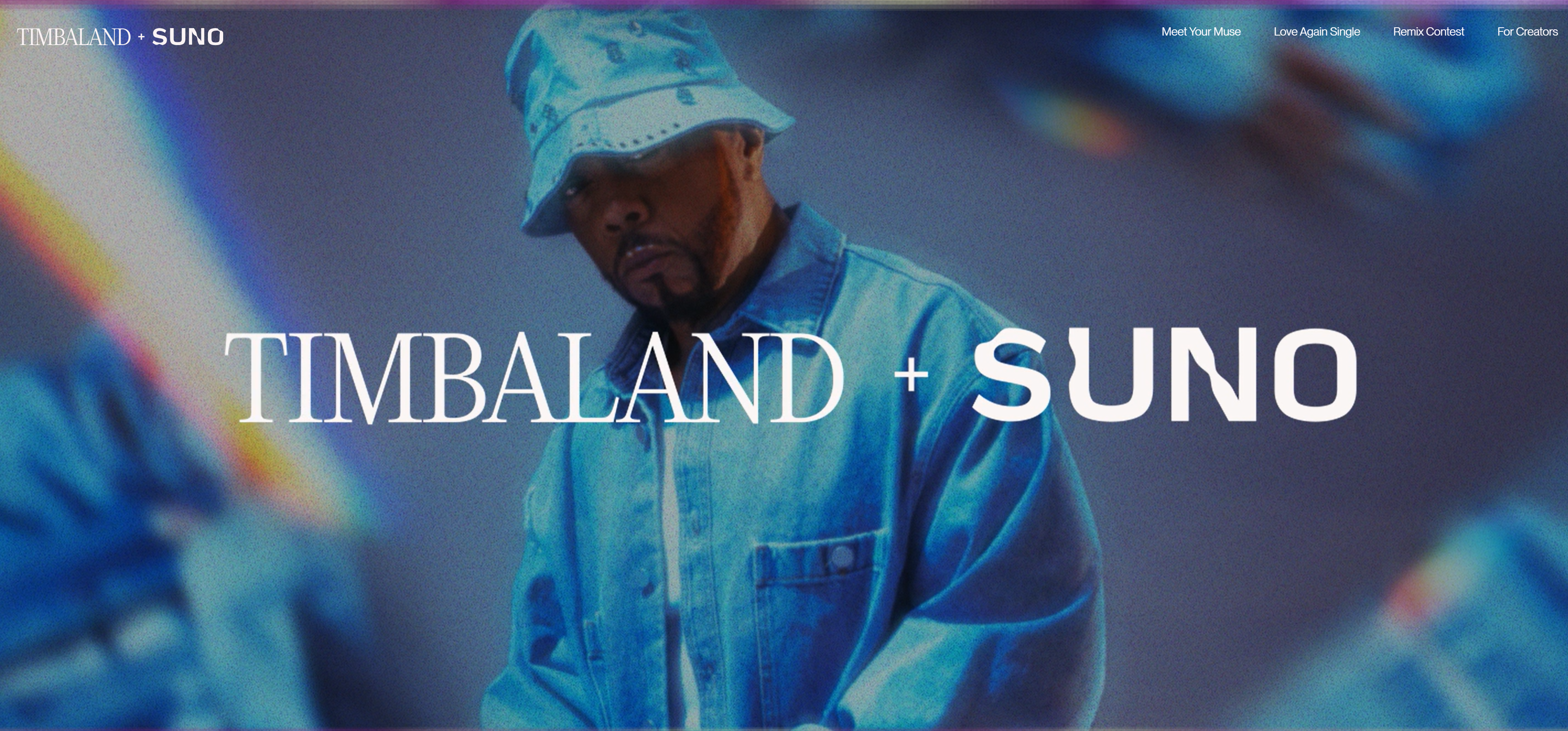
Timbaland x Suno
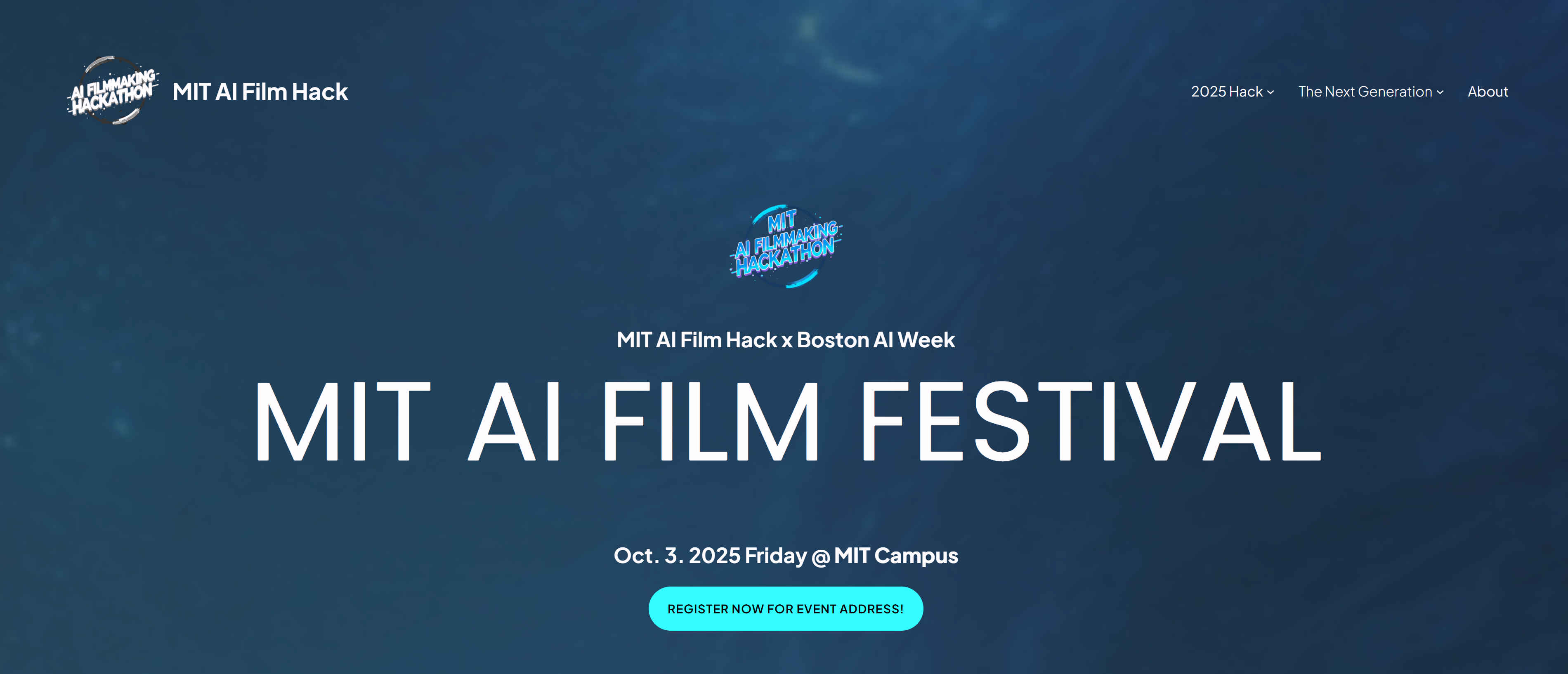
MIT AI Film Hack
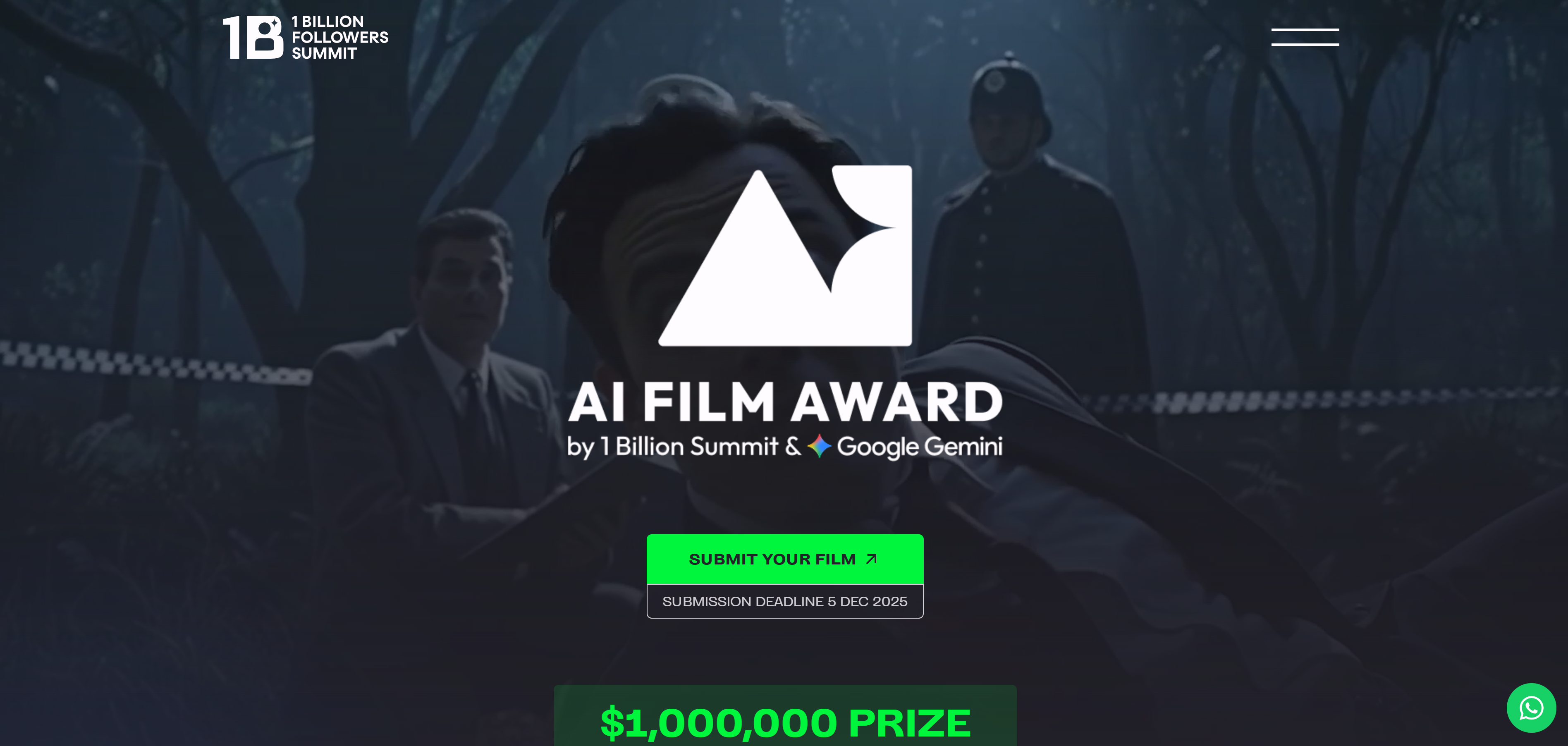
1 Billion AI Film Award
AI Film Festival and Contest Resources
If you're looking for more AI film festival and contest opportunities, the following resource pages provide comprehensive summaries of global AI film festivals, events, and competitions. These resources are valuable references for both AI creators and tool providers:
1. Melies AI Film Festival Resources
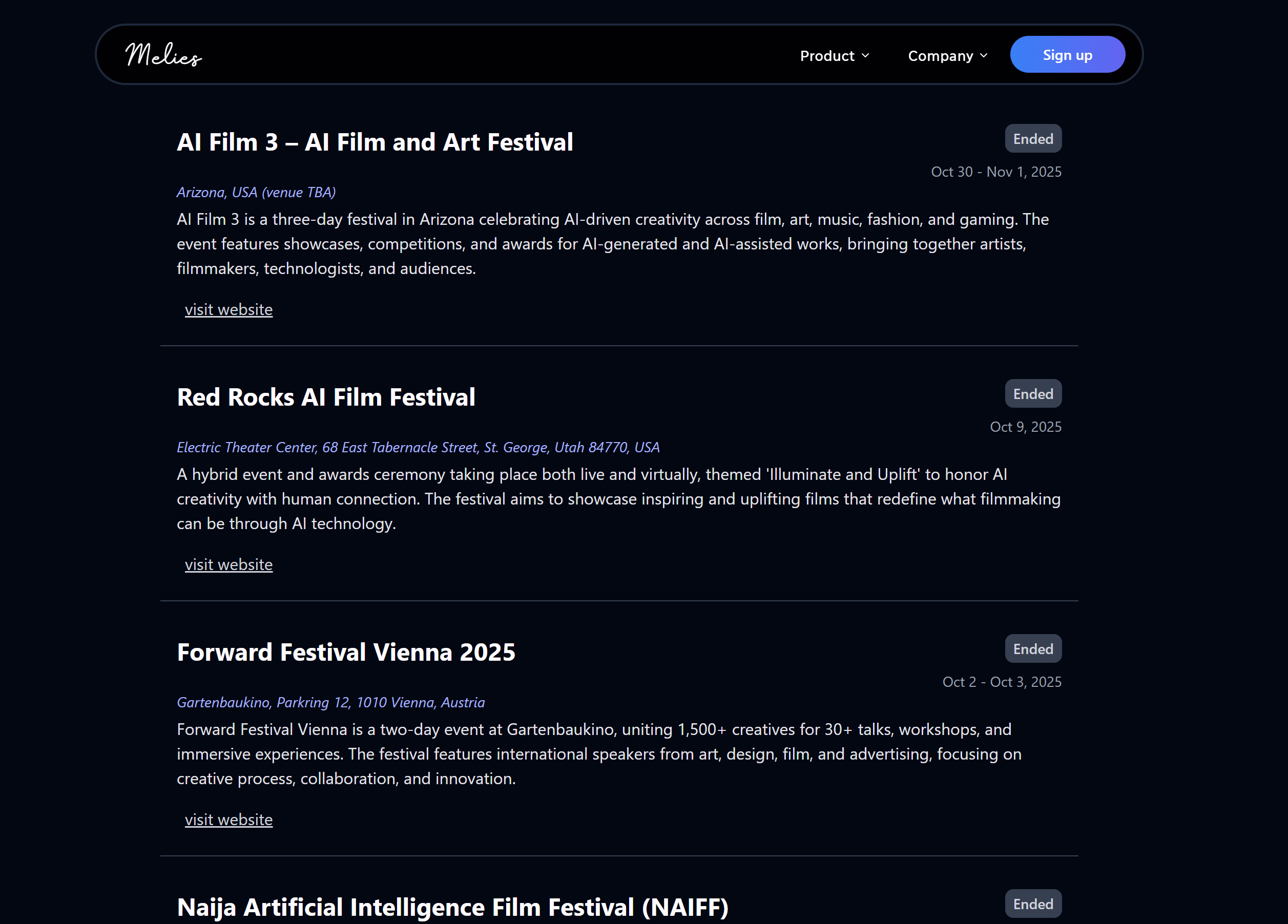
Melies' AI Film Festival Resource Page provides a comprehensive summary of global AI film festivals, events, and competitions, including upcoming and past events. This resource page covers a complete list from major international film festivals (such as Runway AI Film Festival, Tribeca Festival's AI Shorts Program) to regional events (such as AI Film Fest Amsterdam, Forward Festival, etc.), serving as an important reference for understanding the AI film festival industry dynamics.
2. Curious Refuge AI Contest List
Curious Refuge's AI Contest Page focuses on AI film and creative challenges, not only showcasing their own contests (such as AI Horror Film Competition, AI Animation Competition, etc.) but also listing other upcoming AI contests globally, including Busan International AI Film Festival, The Chroma Awards, Frame Forward Animated AI Film Festival, etc. The page also provides archives of past contests, making it convenient to learn from success cases and winning works.
3. AI Creation Contest (Domestic Platform)
AI Creation Contest is a domestic AI contest aggregation platform that centrally displays various AI creation-related contest activities, including competitions in AI images, AI videos, AI music, and other fields. This platform provides a convenient channel for domestic AI creators to discover and participate in contests, while also offering opportunities for tool providers to showcase and promote contests. It serves as an important window for understanding the domestic AI contest ecosystem.
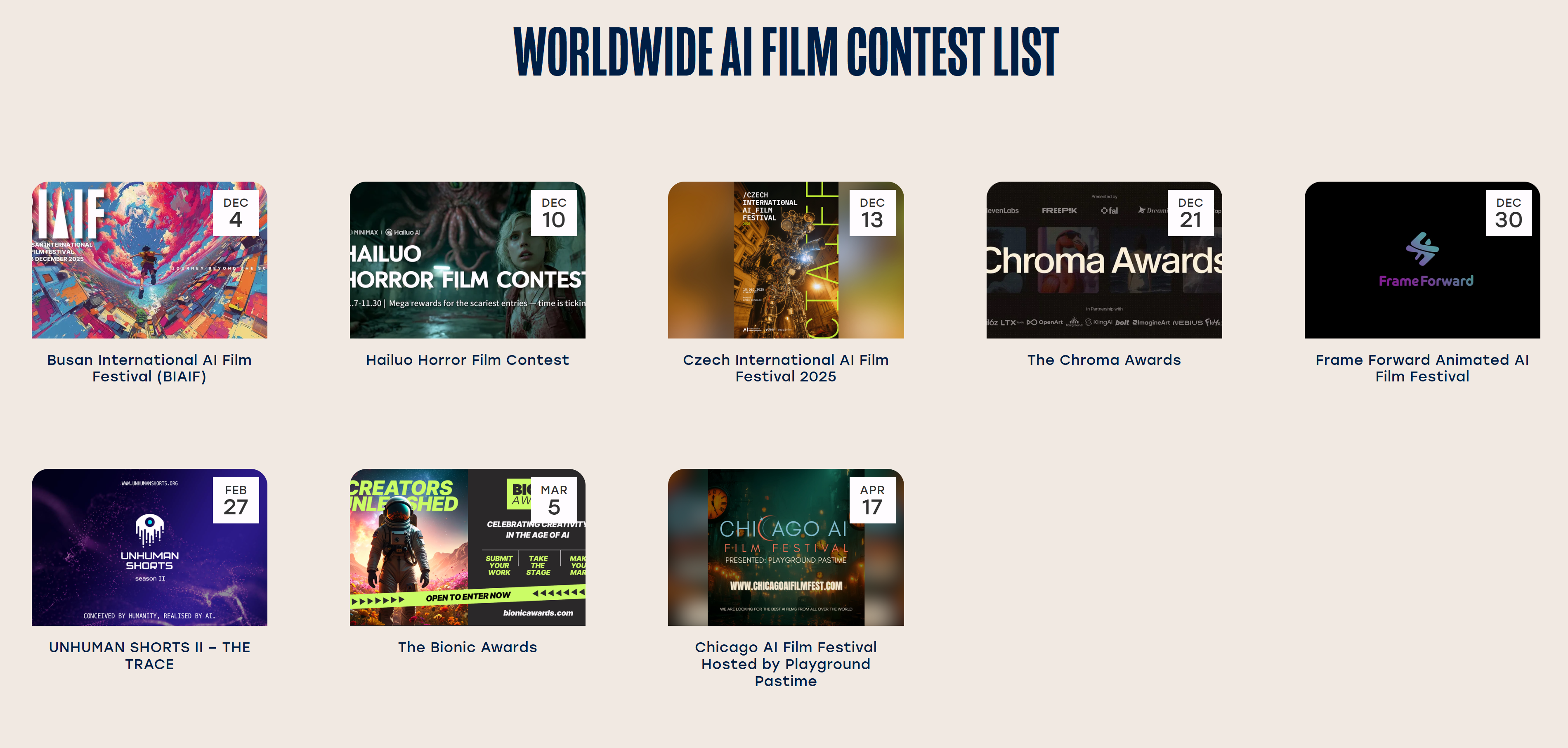
Worldwide AI Film Festival Contest List
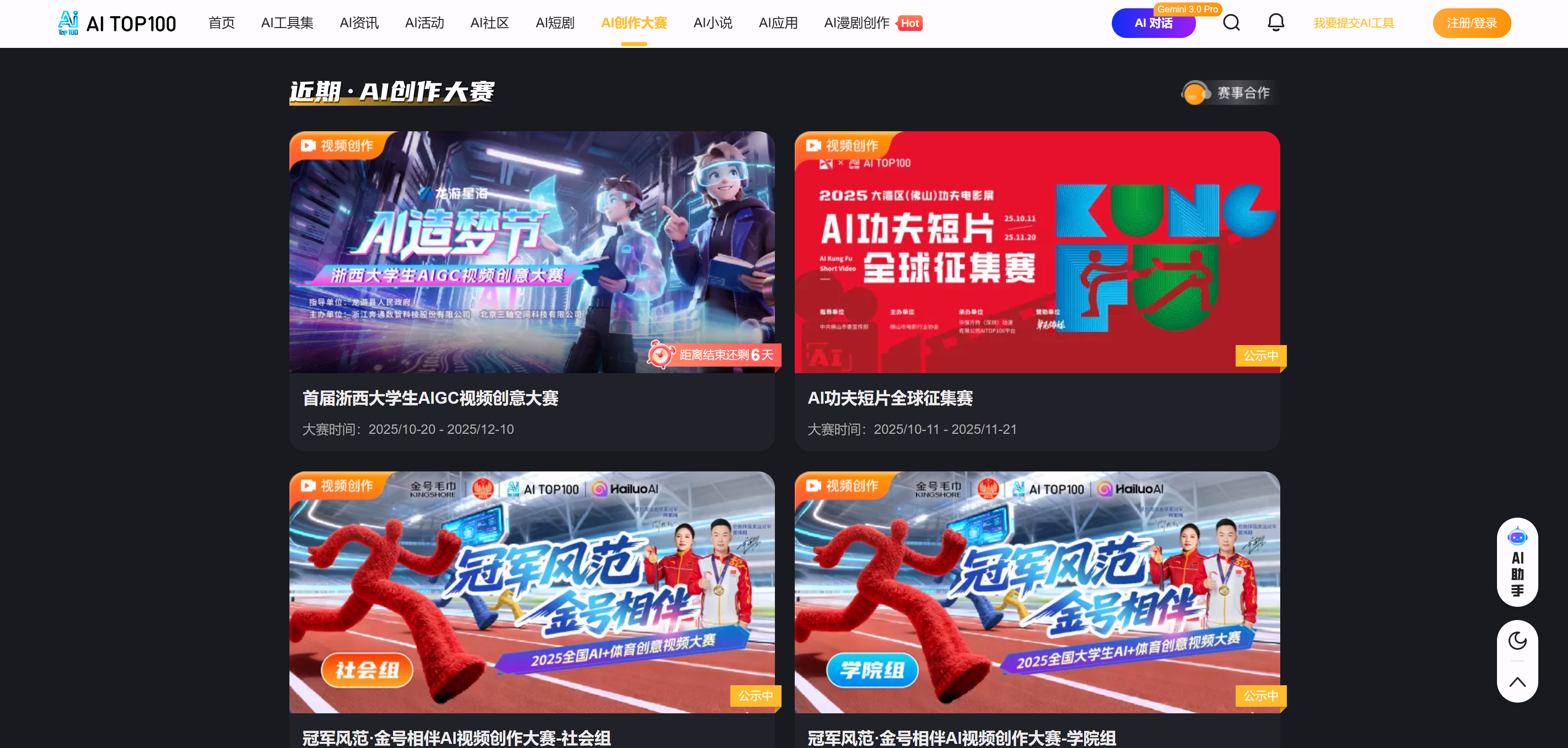
AI Creation Contest (Domestic Platform)
These resources can help you discover more contest opportunities, learn from successful cases, understand industry trends, and find suitable platforms to showcase your contests. Whether you're an AI creator looking for participation opportunities or a tool provider planning to organize contests, these resources provide valuable references.
Common Characteristics of Success Cases
By analyzing the above success cases, we can summarize the following common characteristics, which have important reference value for designing successful creator contests:
- Clear Themes and Goals:Contest themes are clear and highly aligned with product positioning, effectively showcasing product features and advantages
- Reasonable Prize Structure:Prizes are attractive enough and reasonably structured (cash, credits, exposure opportunities, etc.), meeting different participants' needs
- Professional Judging Mechanisms:Judging standards and processes are professional and fair, enhancing trust and contest authority
- Sufficient Promotion:Full promotion across multiple channels, maximizing exposure and participation, ensuring contests achieve expected results
- Excellent Execution:Execution process is professional and timely, building trust and brand image, laying foundation for future contests
- Community Interaction:Enhance community participation through voting, showcasing, discussion, etc., building active community atmosphere
- Continuous Operation:Regular hosting, forming community culture and user habits, achieving long-term brand value
Common Challenges and Solutions
When organizing and executing creator contests, you may encounter various challenges. The following are common challenges and solutions:
| Challenge | Solution |
|---|---|
| Insufficient Participation | Pre-warm-up (start promotion 2-4 weeks before contest starts, accumulate attention); increase reward attractiveness to ensure rewards attract target participants; expand promotion channels to promote contests on more platforms and communities; lower participation threshold and simplify submission process to allow more people to participate; collaborate with creators to invite well-known creators to participate or promote. |
| Uneven Work Quality | Clearly specify work format, quality, and other requirements in rules; provide example works showcasing excellent works that meet requirements; set initial screening to filter out works that don't meet basic requirements before judging; provide creative guidance by publishing tutorials or guides to help participants improve work quality. |
| Cost Control | Reasonably set rewards to find balance between attractiveness and costs; use product access as rewards (for SaaS products, providing free access has lower costs); set reward caps to control total costs; phased investment to adjust reward structure based on participation; track ROI to analyze contest effectiveness and optimize future contest investments. |
| Judging Fairness | Clearly announce judging standards and processes before contest starts; select industry experts or internal professional teams for judging; ensure fairness through multiple rounds of judging such as initial screening and review; make judging process public to enhance trust; establish feedback channels to respond to participant concerns promptly. |
| Legal Issues | Clearly state work usage rights ownership in rules; require works to be original and prohibit plagiarism; consult legal advisors to ensure rules comply with laws and regulations; require winners to sign relevant agreements clarifying rights and obligations. |
Conclusion
Creator contests are an important strategy for AI and SaaS products to achieve growth and brand building. By setting up reasonable reward mechanisms, clear rules, and professional judging processes, companies can generate large amounts of high-quality user-generated content in a short time, enhance brand awareness, and gain media attention and user growth.
Keys to success:
- Define Goals:Clarify main contest goals before starting, design contests around goals, ensuring all decisions serve core objectives
- Reasonable Design:Design reasonable prize structures, rules, and judging criteria, finding balance between attractiveness and costs
- Sufficient Promotion:Full promotion across multiple channels, maximizing participation and exposure, ensuring contests achieve expected results
- Professional Execution:Execution process is professional and timely, building trust and brand image, laying foundation for future contests
- Continuous Optimization:Continuously optimize based on data feedback, improve future contest effectiveness, build long-term competitive advantages
Creator contests and creator programs can complement each other: creator contests for short-term exposure and topic marketing, creator programs for long-term brand building. Companies are recommended to choose appropriate strategies based on their own situations, or run both strategies simultaneously to achieve optimal results. Contest winners can also be invited to join creator programs, establishing long-term collaborative relationships, achieving transformation from short-term participation to long-term collaboration.
When choosing contest organizational forms, it's recommended to start with AI tool-hosted Challenges, which are cost-controllable and directly effective. When products have certain influence, consider participating in third-party competitions or joint ventures with third parties to gain greater influence and media attention. All three forms can be conducted simultaneously, forming a multi-level contest strategy covering different scales and goals.
If you need to learn more about creator programs, you can refer to our Creator Program Guide. If you need to learn how to create contest landing pages, you can refer to our Landing Page Creation Guide.