Introduction
In today's competitive SaaS market, customer acquisition costs continue to rise, and traditional advertising effectiveness is becoming increasingly unpredictable. Lifetime Deal (Lifetime License, abbreviated as LTD) has become a secret weapon for many successful products as an effective growth strategy. By offering one-time payment lifetime licenses, product owners can quickly gain a large user base and cash flow while building their customer foundation. This model provides immediate revenue injection that can fund product development and marketing efforts, while simultaneously creating a committed user base that has invested in the product's long-term success.
Whether it's AI tools, design software, project management tools, or marketing automation platforms, Lifetime Deals can help businesses quickly acquire customers, build brand influence, and achieve sustainable user growth. The upfront payment model appeals to budget-conscious users who prefer predictable costs over recurring subscriptions, while providing businesses with predictable revenue streams and reduced churn concerns. This article will explore the core value of Lifetime Deals, platform selection strategies, and implementation methods to help readers understand how to achieve growth goals through LTD Campaigns, including pricing strategies, landing page optimization, and platform-specific best practices.
What is a Lifetime Deal?
Lifetime Deal (Lifetime License, abbreviated as LTD) is a special pricing model for SaaS products. Unlike traditional monthly or annual subscriptions, Lifetime Deal allows users to obtain permanent software access through a one-time payment, including future feature updates and technical support. This model offers unique value for both product owners and users.
For SaaS product owners, Lifetime Deal is an effective customer acquisition strategy. By offering heavily discounted lifetime licenses, products can quickly gain a large user base and cash flow while building their customer foundation. This model is particularly suitable for early-stage products, helping to quickly validate market demand, gain user feedback, and build brand awareness.
For users, Lifetime Deal provides significant cost savings. Especially for tools used long-term, a one-time payment is usually more economical than ongoing subscriptions. For example, a SaaS product with an annual fee of $100, if offering a $200 Lifetime Deal, users can achieve cost advantages after using it for more than two years.
Lifetime Deal vs. Other Acquisition Strategies
As an acquisition strategy, Lifetime Deal differs significantly from traditional subscription models, free trials, affiliate marketing, and other approaches. Understanding these differences helps you choose the growth strategy that best fits your product:
| Comparison Dimension | Lifetime Deal | Subscription Model | Free Trial | Affiliate Marketing |
|---|---|---|---|---|
| Acquisition Cost | One-time revenue, controllable costs | Ongoing marketing investment | High conversion costs for free users | Pay per conversion, controllable costs |
| Cash Flow | Large short-term cash flow | Steady recurring revenue | Need to wait for conversion | Revenue share based on sales, fluctuating income |
| User Quality | Price-sensitive users, strong long-term usage intent | Users with clear payment intent | Lower conversion rate, requires screening | Screened through affiliates, higher quality |
| Long-term Value | No recurring revenue, but builds user base | Recurring revenue, high LTV | May become subscribers after conversion | Continuous acquisition, high long-term value |
| Suitable Stage | Early products, need rapid acquisition | Mature products, stable growth | Product validation stage | Any stage, need scalable acquisition |
Key Difference: Lifetime Deal is more suitable for early products to quickly acquire customers and build a user base, while subscription models are better for long-term growth of mature products. Many businesses use multiple strategies simultaneously: Lifetime Deal for rapid acquisition, subscription model for long-term revenue, and affiliate marketing for scalable growth.
Core Value of Lifetime Deals
Lifetime Deal brings multiple values to SaaS products, making it an important component of early product growth strategies. Whether it's AI tools, design software, project management tools, or marketing automation platforms, Lifetime Deal can help businesses quickly acquire customers, build brand influence, and achieve sustainable user growth.
Rapid customer acquisition and cash flow is the most direct value of Lifetime Deal. By offering heavily discounted lifetime licenses, products can quickly gain a large user base and cash flow. This is especially important for early products, helping to quickly validate market demand, gain user feedback, and build brand awareness. Seodity made over $270,000 in one month on Appsumo, and Infinity made $70,000 in 10 days—these are typical examples of Lifetime Deal's rapid acquisition capabilities.
Building a user base is another important value of Lifetime Deal. By gaining many users through one-time payments, products can quickly build a user base, which is crucial for market validation and product iteration of early products. User feedback from a large user base can help products improve quickly, and the user base itself is part of the product's value.
Brand exposure and backlink growth are additional values brought by Lifetime Deal. Publishing Lifetime Deals on platforms like Appsumo provides products with significant brand exposure opportunities. Appsumo has strong influence across multiple social media platforms, with 131K Twitter followers, 210K Facebook page followers, and 103K YouTube subscribers. These channels not only help Appsumo promote products but also provide additional brand exposure opportunities for product owners. Beyond direct revenue, websites can gain exposure and backlink growth, including various traffic types like Dark Social Traffic.
User feedback and product improvement are long-term values brought by Lifetime Deal. User feedback from a large user base can help products improve quickly, and the user base itself is part of the product's value. Lifetime Deal users typically have high usage intent and are more willing to provide feedback and suggestions, which is very valuable for product iteration and improvement.
Cost-benefit analysis shows that while Lifetime Deal doesn't generate recurring subscription revenue, the cash flow obtained through one-time revenue can help products develop and iterate quickly. For early products, the value of rapid customer acquisition and building a user base often exceeds the value of recurring subscription revenue. At the same time, Lifetime Deal users typically have high usage intent and are more willing to provide feedback and suggestions, which is very valuable for product iteration and improvement.
Lifetime Deal Platform Analysis
Appsumo Platform
Appsumo is one of the largest Lifetime Deal platforms and is personally considered a more valuable channel than Product Hunt. Appsumo has 2.7M monthly visits, slightly lower than G2's 3M and Product Hunt's 3.2M, but its conversion rate and user quality are often higher. Appsumo focuses on lifetime license transactions for SaaS products and has a large user base and strong marketing capabilities.

Appsumo Platform Homepage
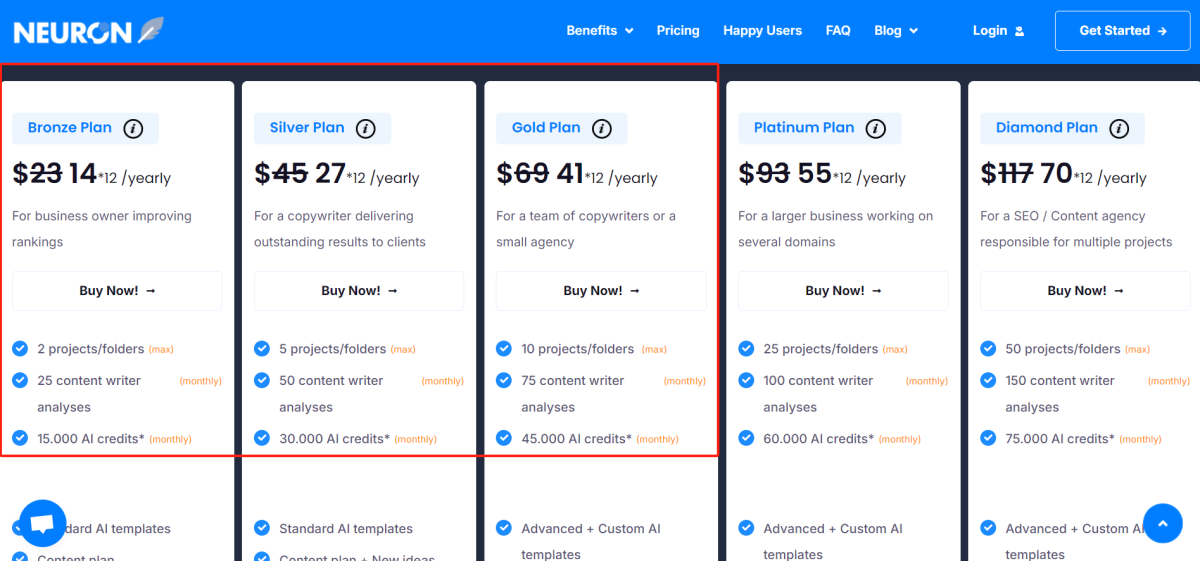
Product Detail Page
Mobile View
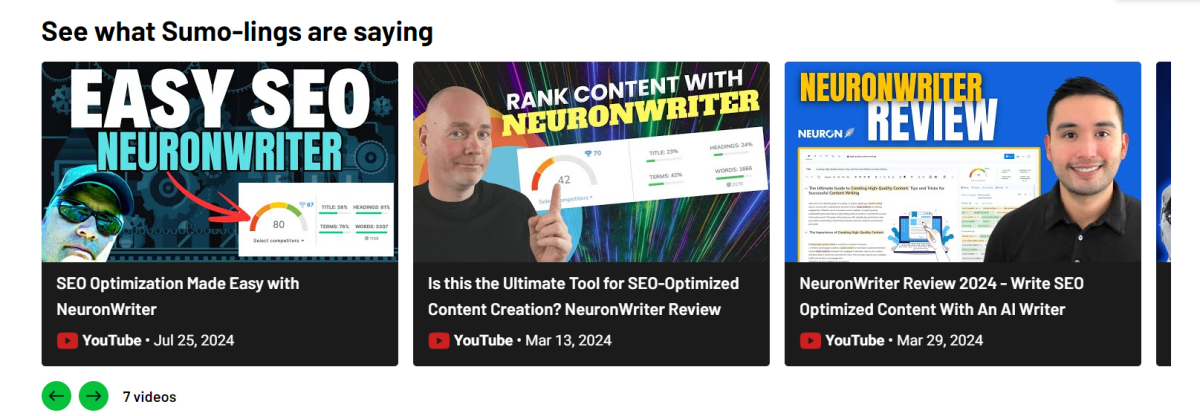
Product Features Showcase

Pricing Plans
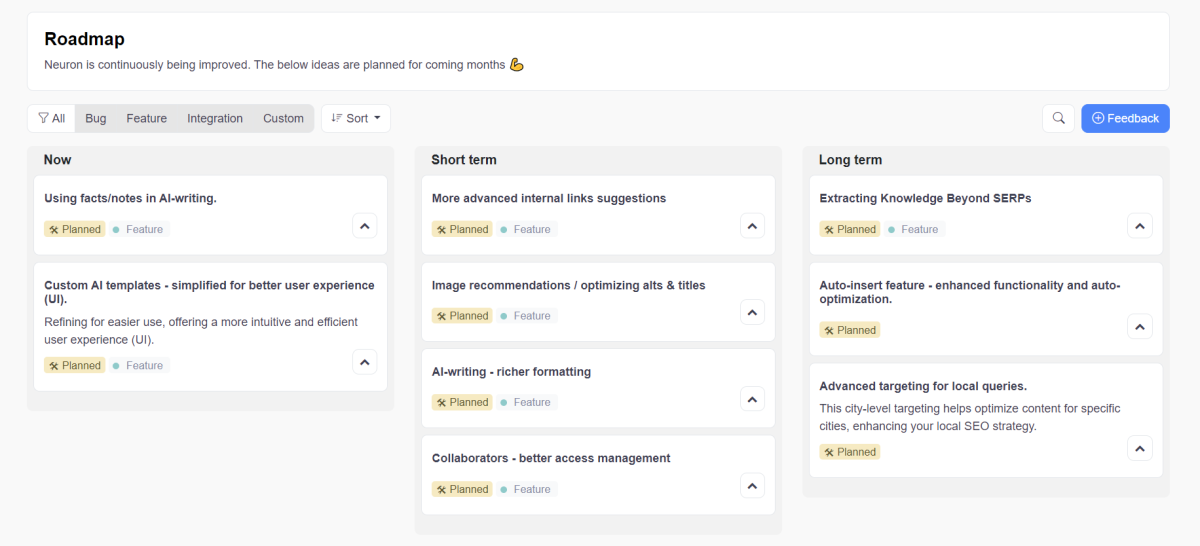
Checkout Page
Appsumo Growth Channels
Appsumo has built strong influence across multiple social media platforms, providing huge exposure opportunities for products on the platform. The Twitter account has 131K followers, Facebook page has 210K followers, and Facebook Group has 23K members. The YouTube channel has 103K subscribers, LinkedIn has 10K followers, and Instagram has 50K followers. These channels not only help Appsumo promote products but also provide additional brand exposure opportunities for product owners.

Visit Appsumo's social media accounts: Twitter (131K), Facebook (210K), Facebook Group (23K), YouTube (103K), LinkedIn (10K), and Instagram (50K).
Appsumo's YouTube channel also invites guests to share growth content, providing additional brand exposure and content marketing opportunities for product owners. Visit the Appsumo YouTube channel to learn more.
Appsumo Pros and Cons
As the largest Lifetime Deal platform, Appsumo has obvious advantages. The platform has 2.7M monthly visits, slightly lower than G2's 3M and Product Hunt's 3.2M, but its user quality and conversion rate are often higher. Appsumo provides a complete sell.appsumo.com/e/guide className="text-primary hover:underline">listing guide to help product owners launch quickly.
After submitting materials, Appsumo will help with marketing campaigns, including posts and video creation, which greatly reduces marketing costs for product owners. Beyond direct revenue, websites can gain exposure and backlink growth. This growth goes far beyond backlinks and includes various traffic types like Dark Social Traffic. Refer to Types of Traffic to learn more.
It's worth noting that "Lifetime" includes future product updates, but for AI products, due to high computing costs, usage limitations are usually needed. Appsumo's revenue share model takes 70% of sales, with 30% going to the publisher. Prices must be the lowest across all platforms and undergo review. The platform allows 60-day refunds, which provides protection for buyers but also means product owners need to ensure product quality.
Other LTD Platforms
Besides Appsumo, there are other platforms offering Lifetime Deal services. These platforms include www.stacksocial.com/ className="text-primary hover:underline">Stack Social, www.founderpass.com/category/ai-tools className="text-primary hover:underline">Founder Pass (focusing on AI tools), www.dealify.com/ className="text-primary hover:underline">Dealify, primeclub.co/lifetime-deal/ className="text-primary hover:underline">Prime Club, www.rockethub.com/ className="text-primary hover:underline">RocketHub, saasmantra.com/ className="text-primary hover:underline">SaaS Mantra, and saaszilla.co/ className="text-primary hover:underline">SaaS Zilla. Each platform has its own characteristics, and you can choose the appropriate platform based on product type and target audience.

Facebook Groups
There are also multiple active Lifetime Deal communities on Facebook that gather many buyers interested in SaaS products and lifetime licenses. Main communities include www.facebook.com/groups/martechwise className="text-primary hover:underline">MartechWise, www.facebook.com/groups/965673390154514 className="text-primary hover:underline">SaaS Deals, www.facebook.com/groups/803865079768851 className="text-primary hover:underline">Lifetime Deals, www.facebook.com/groups/231736180643534 className="text-primary hover:underline">SaaS Founders, and www.facebook.com/groups/SaasWarrior className="text-primary hover:underline">SaaS Warrior. Posting Lifetime Deals in these communities can gain targeted audience attention.
Success Case Analysis
Many SaaS products have achieved significant success through Lifetime Deals. These success cases not only prove the effectiveness of Lifetime Deals but also provide valuable experience and lessons.
Seodity made over $270,000 in one month on Appsumo, which is a very successful case. Seodity is an SEO tool that gained a large user base and cash flow through the Appsumo platform. Detailed case study can be found in seodity.com/blog/the-appsumo-effect-how-we-made-over-270000-in-one-month className="text-primary hover:underline">their blog post. This case demonstrates Appsumo's powerful acquisition capabilities and the value of Lifetime Deal for early products.
Infinity made $70,000 in 10 days through their own Lifetime Deal without using Appsumo. This case proves that even without third-party platforms, product owners can successfully operate Lifetime Deals themselves. Infinity promoted their Lifetime Deal through their own website and social media channels, achieving significant results. Case study shared on medium.com/infinitypm/how-we-made-70k-in-10-days-by-launching-a-lifetime-deal-without-appsumo-b81d93930c43 className="text-primary hover:underline">Medium.
UserMaven also shared their LTD story, which can be found on usermaven.com/blog/our-ltd-story className="text-primary hover:underline">their blog. UserMaven gained many users through Lifetime Deal, and these users not only provided cash flow but also helped the product iterate and improve quickly.
Other success cases include Lemlist (www.youtube.com/watch?v=fPHBniPONTQ className="text-primary hover:underline">YouTube video), Afforai (www.youtube.com/watch?v=mdM4k6M5Ncs className="text-primary hover:underline">YouTube video), LinkDrip (shared a case of pre-selling $75,000 on www.indiehackers.com/post/i-made-75-000-pre-selling-a-saas-i-havent-built-yet-89d28bb772 className="text-primary hover:underline">Indie Hackers), Nureply (made $100,000 from their Lifetime Deal but with some caveats, detailed in nureply.com/blog/we-made-100k-from-our-lifetime-deal-but-theres-a-catch className="text-primary hover:underline">their blog), and Project.co (shared their www.project.co/appsumo-experience/ className="text-primary hover:underline">Appsumo experience).
Common characteristics of these success cases: products quickly acquired customers through Lifetime Deal in early stages, gained large user base and cash flow, and built a customer foundation. These users not only provided cash flow but also helped products iterate and improve quickly. However, it's worth noting that Lifetime Deal also has some challenges and risks that require careful consideration and planning.
How to Implement Lifetime Deals
Implementing a successful Lifetime Deal requires systematic planning and execution. Here's a detailed implementation guide, including key steps such as platform selection, pricing strategy, and landing page creation.
Platform Selection Strategy
Choosing the right platform is key to Lifetime Deal success. Appsumo is the largest Lifetime Deal platform with 2.7M monthly visits, and user quality and conversion rates are often higher. Appsumo provides a complete sell.appsumo.com/e/guide className="text-primary hover:underline">listing guide to help product owners launch quickly. After submitting materials, Appsumo will help with marketing campaigns, including posts and video creation, which greatly reduces marketing costs for product owners.
Besides Appsumo, there are other platforms offering Lifetime Deal services. Stack Social, Founder Pass (focusing on AI tools), Dealify, Prime Club, RocketHub, SaaS Mantra, and SaaS Zilla each have their own characteristics, and you can choose the appropriate platform based on product type and target audience. There are also multiple active Lifetime Deal communities on Facebook, such as MartechWise, SaaS Deals, Lifetime Deals, SaaS Founders, and SaaS Warrior, where posting Lifetime Deals can gain targeted audience attention.
Platform selection considerations: Platform scale, user quality, revenue share ratio, review requirements, marketing support, etc. Although Appsumo has a higher revenue share (70%), it provides complete marketing support, and for early products, the value of this support often exceeds the revenue share cost. If your product has a specific target audience, consider platforms focused on that field, such as Founder Pass focusing on AI tools.
Pricing Strategy
Setting a reasonable Lifetime Deal price is key to success. The price needs to be attractive enough but also ensure long-term product sustainability. Generally, Lifetime Deal prices should be set at 2-3 times the annual fee, which can attract users while ensuring product owners receive reasonable revenue.
Feature scope and usage limitations are important components of pricing strategy. For AI products, due to high computing costs, usage limitations are usually needed, such as monthly usage limits, feature restrictions, etc. These limitations need to be clearly stated in Lifetime Deal terms to avoid future disputes.
Update policy also needs to be clearly stated. "Lifetime" usually includes future product updates, but major version updates may require additional payment. It's recommended to clearly state the update policy in Lifetime Deal terms, including feature updates, major version updates, etc. For AI products, computing cost changes also need to be considered, and usage limitations or prices may need adjustment.
Price tiers are another important consideration. Many successful Lifetime Deals offer multiple price tiers, such as single purchase, multi-device licenses, team versions, etc. This tiered pricing strategy can help product owners gain more revenue while meeting different user needs.
Landing Page Creation
A well-designed Lifetime Deal landing page can significantly improve conversion rates. The landing page should include the following core elements: clear value proposition, detailed feature introduction, price comparison, user reviews, FAQ section, and clear CTA buttons.
Clear value proposition should be prominently displayed at the top of the page, explaining the benefits and opportunities users can gain through Lifetime Deal. For example, "Pay $199 once, use all features for life, save $1000+ on subscription fees." This clear value proposition can quickly attract user attention.
Detailed feature introduction should showcase the product's core features and characteristics, helping users understand the product's value. You can use screenshots, videos, feature lists, etc., to showcase product features, giving users a comprehensive understanding of the product.
Price comparison is an important component of Lifetime Deal landing pages. You should clearly display the comparison between Lifetime Deal price and subscription price, allowing users to intuitively see cost savings. For example, display "Annual fee $100, Lifetime Deal $200, save costs after using for more than two years."
User reviews and success cases can enhance user trust. Displaying other users' experiences and success cases can help potential users understand the actual effects and value of the product.
FAQ section should answer questions users may care about, such as update policies, usage limitations, refund policies, etc. This information can help users make purchase decisions and reduce post-purchase disputes.
Design considerations include: visual appeal, mobile-friendly, fast loading speed, trust elements, simplicity and clarity, etc. Landing pages should use high-quality product screenshots, clear hierarchy, allowing users to quickly understand the value of Lifetime Deal and the purchase process.
Common Challenges and Solutions
In the process of implementing Lifetime Deals, you may encounter various challenges. Here are common challenges and solutions:
| Challenge | Solution |
|---|---|
| How to control long-term costs | For AI products, set usage limitations (such as monthly usage limits, feature restrictions); for other products, consider that major version updates may require additional payment; regularly evaluate cost structure and adjust usage limitations when necessary |
| How to ensure user quality | Set reasonable price thresholds; clearly define usage limitations and terms; provide clear user guides; build user communities and screen active users |
| How to handle refund requests | Clearly state refund policy in terms; set reasonable refund period (such as 60 days); provide good customer support; promptly handle reasonable refund requests |
| How to balance LTD and subscription revenue | Limit feature scope in Lifetime Deal, premium features require subscription; set reasonable price tiers; guide users to convert to subscription through upgrade paths; regularly evaluate revenue structure |
| How to manage large user base | Use automation tools to manage users; build user communities and FAQ; provide self-service resources; set reasonable support priorities |
| How to handle platform revenue share | Consider the value of marketing support provided by platforms; evaluate platform user quality and conversion rates; consider multiple platforms to diversify risk; for high-quality platforms, revenue share cost is worth it |
Failure Cases and Considerations
While there are many success cases with Lifetime Deals, there are also some failure cases and considerations to note. Understanding these failure cases and considerations can help you avoid common pitfalls and ensure successful Lifetime Deal implementation.
The Filmora case is a typical failure case. Filmora once canceled Lifetime Licenses, which reminds us to carefully consider long-term costs and sustainability when launching Lifetime Deals. The reason Filmora canceled Lifetime Licenses may be that long-term costs were too high and couldn't sustainably support these users. This case illustrates the risk of Lifetime Deal: if a product's marginal costs are high (such as AI product computing costs), Lifetime Deal may become a long-term burden.
The Nureply case also provides some important lessons. Nureply made $100,000 from their Lifetime Deal, but there are some considerations. Detailed content can be found in nureply.com/blog/we-made-100k-from-our-lifetime-deal-but-theres-a-catch className="text-primary hover:underline">their blog. This case illustrates that while Lifetime Deal can bring significant revenue, long-term costs and user management issues also need to be considered.
Key considerations: When deciding whether to launch a Lifetime Deal, consider the product's marginal costs, customer lifetime value, and whether additional revenue can be generated through other means (such as upgrades to higher-tier versions). For products with ongoing operational costs (such as AI product computing costs), reasonable usage limitations need to be set to ensure Lifetime Deal doesn't affect the product's long-term profitability.
At the same time, clearly define Lifetime Deal terms, including feature scope, update policies, and usage limitations, to avoid future disputes. It's recommended to clearly state in Lifetime Deal terms: which features are included in Lifetime Deal, which features require additional payment; update policies, including feature updates, major version updates, etc.; usage limitations, such as monthly usage limits, feature restrictions, etc.
Conclusion
Lifetime Deal is an effective strategy for rapid customer acquisition and building a user base in the early stages of SaaS products. By offering one-time payment lifetime licenses, products can quickly gain a large user base and cash flow while building brand influence and user base. Whether it's AI tools, design software, project management tools, or marketing automation platforms, Lifetime Deal can help businesses quickly acquire customers, build brand influence, and achieve sustainable user growth.
The key to successfully implementing Lifetime Deal lies in: choosing the right platform, setting reasonable prices and feature scope, creating professional landing pages, clearly defining terms and usage limitations, and continuously monitoring and optimizing. While Lifetime Deal has some challenges and risks, through systematic planning and execution, you can maximize its value while avoiding potential risks.
If you're considering launching a Lifetime Deal, it's recommended to carefully evaluate the product's cost structure, target user base, and long-term strategy. Choosing the right platform (such as Appsumo or other platforms) and setting reasonable terms can help you maximize the value of Lifetime Deal. Remember, Lifetime Deal is part of a long-term brand building strategy, usually requiring 3-6 months to see obvious effects, and maintaining patience and continuous investment is key.
It's recommended to start small, gradually expand the program scale based on ROI, and continuously collect feedback to optimize strategy. If you need to learn more about Lifetime Deals, refer to mp.weixin.qq.com/s/0Eyyx9UKUpNgtLme2tYo3w className="text-primary hover:underline">related articles and www.indiehackers.com/post/lifetime-deals-ltds-yes-or-no-210e5a7b1a className="text-primary hover:underline">Indie Hackers discussions.