What are AI Audio Tools
AI audio tools are software platforms using AI for audio creation and processing, covering music generation, voice changing, voice synthesis, and voice cloning. As AI advances, these tools generate near-professional audio content, significantly lowering creation barriers. AI audio tools are part of AI tools, providing powerful audio processing capabilities for creators, musicians, and enterprises.
The core value lies in improving creation efficiency and lowering technical barriers, enabling users without professional experience to create high-quality audio. From video music, voice synthesis, or voice cloning, these tools help users quickly meet audio creation needs, improving efficiency and quality. Through deep learning and neural networks, these tools understand audio semantics, structure, and style, generating high-quality, natural audio content. Compared to traditional processing, AI audio technology significantly improves creation efficiency, quality stability, and functional diversity, making audio creation more intelligent and automated.
AI Audio Technology Overview
Modern AI audio technology uses deep learning and neural networks to understand audio semantics, structure, and style, generating high-quality, natural audio content. Compared to traditional audio processing, AI audio technology significantly improves creation efficiency, quality stability, and functional diversity, making audio creation more intelligent and automated.
Core advantages include automatically generating complete music works from text descriptions, supporting real-time voice changing and conversion, converting text to natural speech, cloning voices through short audio samples. Different tools use different architectures: music generation relies on GANs and Transformer models, voice changers use real-time audio processing and signal algorithms, voice synthesis combines text analysis and neural network synthesis, voice cloning uses deep learning to learn timbre characteristics and rebuild speech.
AI Audio Tools Function Comparison
Below is a comparison of four main AI audio tool types to help you quickly understand their features and use cases:
| Function Type | Core Functions | Main Use Cases | Representative Tools |
|---|---|---|---|
| AI Music Generation | Automatically generate complete music works from text descriptions (including lyrics, melody, vocals) | Video background music, background music, music creation, content creation | Suno, Udio, Soundraw, TemPolor |
| AI Voice Changer | Real-time or post-processing change voice characteristics (pitch, timbre, speech rate, etc.) | Game live streaming, online meetings, content creation, entertainment scenarios | Dubbing AI, Voicemod, Voice.ai |
| AI Voice Synthesis | Convert text to natural fluent speech | Virtual character dubbing, enterprise applications, audiobooks, accessibility services | ElevenLabs, PlayHT, Lovo, Deepgram |
| AI Voice Cloning | Clone voice timbre through short audio samples, convert text to cloned speech | Personalized audio reading, brand virtual spokespersons, film-level voice reproduction | Speechify, Resemble.ai, Uberduck, Kits AI |
| AI Audio Translator | Convert speech from one language to another, preserving original speaker's tone and emotion | Meeting translation, content localization, education, customer service | Utell AI, Wordly, Transync AI, Maestra, Rask AI |
| AI Accent Conversion | Real-time accent adjustment for clarity while preserving natural voice characteristics | Call centers, global business, content creation, education | Utell AI, Krisp, Tomato.ai, Sanas |
Detailed Introduction to AI Audio Tool Types
We've created detailed guide pages for different AI audio tool types, each containing comprehensive introductions, tutorials, and selection guides. Below are detailed introductions to each tool type:
1. AI Music Generator: Generate Complete Music Works
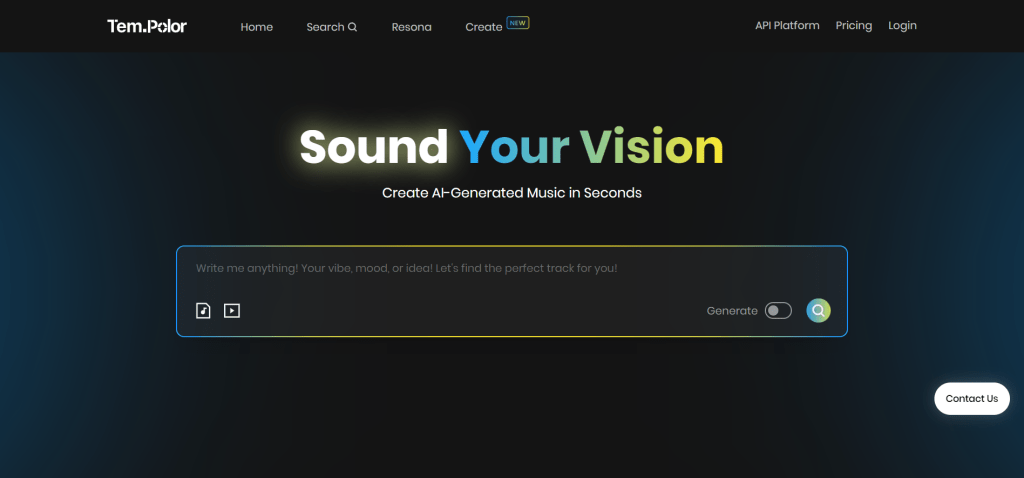
AI music generation tools can automatically generate complete music works from user-input themes or emotional keywords, including lyrics, melody, and vocals. Their core advantage lies in powerful music creation capabilities, understanding user needs, generating high-quality music works, and supporting multiple music styles and emotional expression. Mainstream tools like Suno, Udio, and Soundraw each have unique strengths for different use cases. Whether for quick creation, background music production, music content creation, or commercial music applications, AI music generation tools provide efficient solutions, lowering music creation barriers.
2. AI Voice Changer: Real-Time & Non-Real-Time Voice Conversion

AI voice changer tools can be divided into two categories: real-time voice changers and non-real-time voice changers. Real-time voice changers can instantly change voice while users speak, with extremely low latency (usually less than 100ms), suitable for game live streaming, online meetings, voice chat, and other scenarios requiring instant interaction. Non-real-time voice changers are mainly used for processing pre-recorded audio files, supporting more fine-grained timbre adjustment and effect processing. Their core advantage lies in powerful voice processing capabilities, processing audio in real-time or batch, changing timbre and style, and supporting multiple voice effects. Whether for gaming entertainment, content creation, voice protection, or creative expression, AI voice changer tools provide efficient solutions.
3. AI Voice Synthesis (TTS): Convert Text to Natural Speech
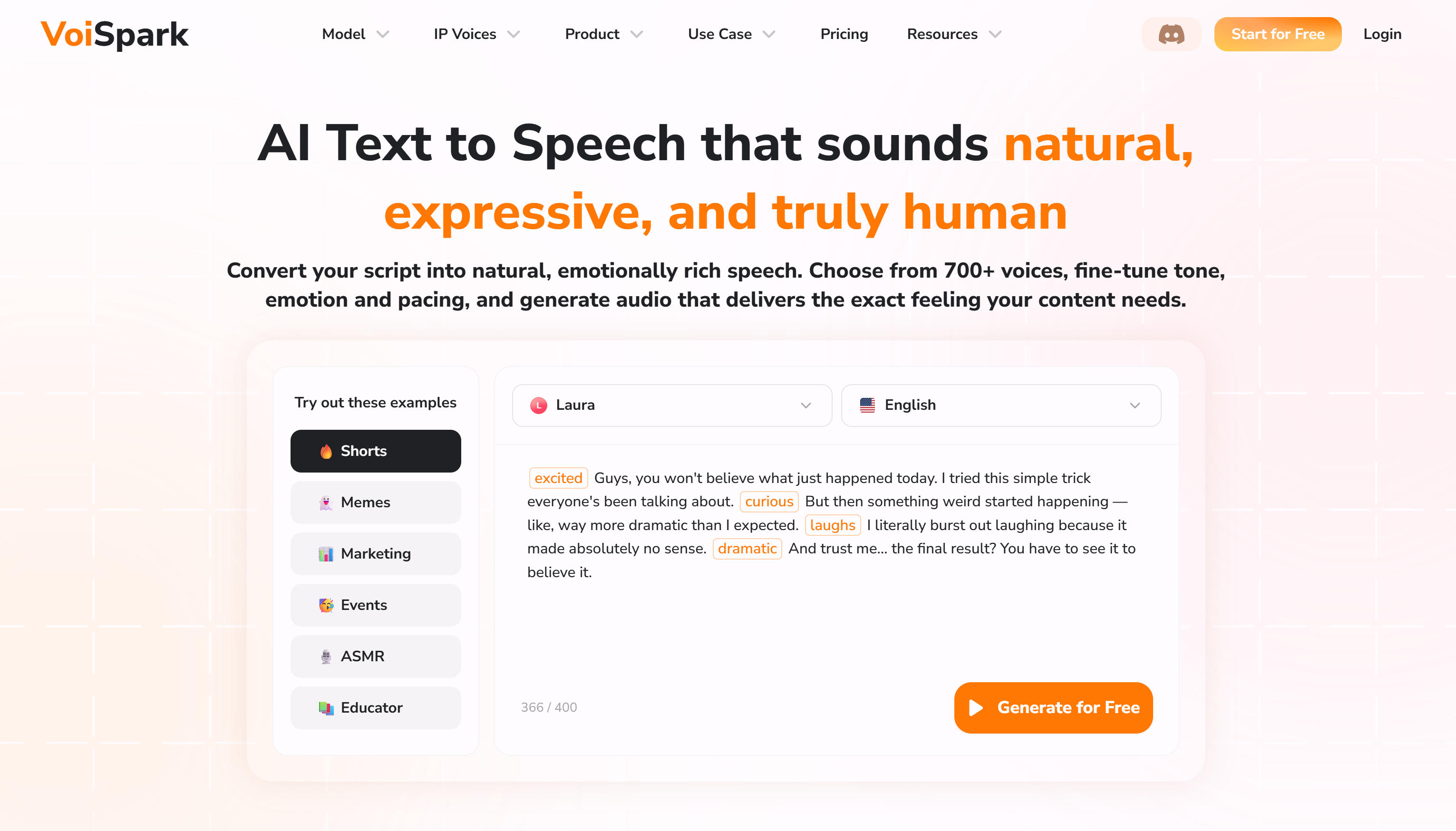
Voice synthesis tools can convert text to natural fluent speech, widely used in virtual character dubbing, enterprise applications, and content creation. Their core advantage lies in powerful voice generation capabilities, generating natural fluent speech, supporting multiple languages and voices, and supporting emotional expression and tone control. Mainstream tools like ElevenLabs, PlayHT, and Lovo each have unique strengths for different use cases. Whether for virtual character dubbing, enterprise applications, content creation, or accessibility services, AI voice synthesis tools provide efficient solutions, lowering voice production barriers.
4. AI Voice Cloning: Clone Voice Timbre from Audio Samples
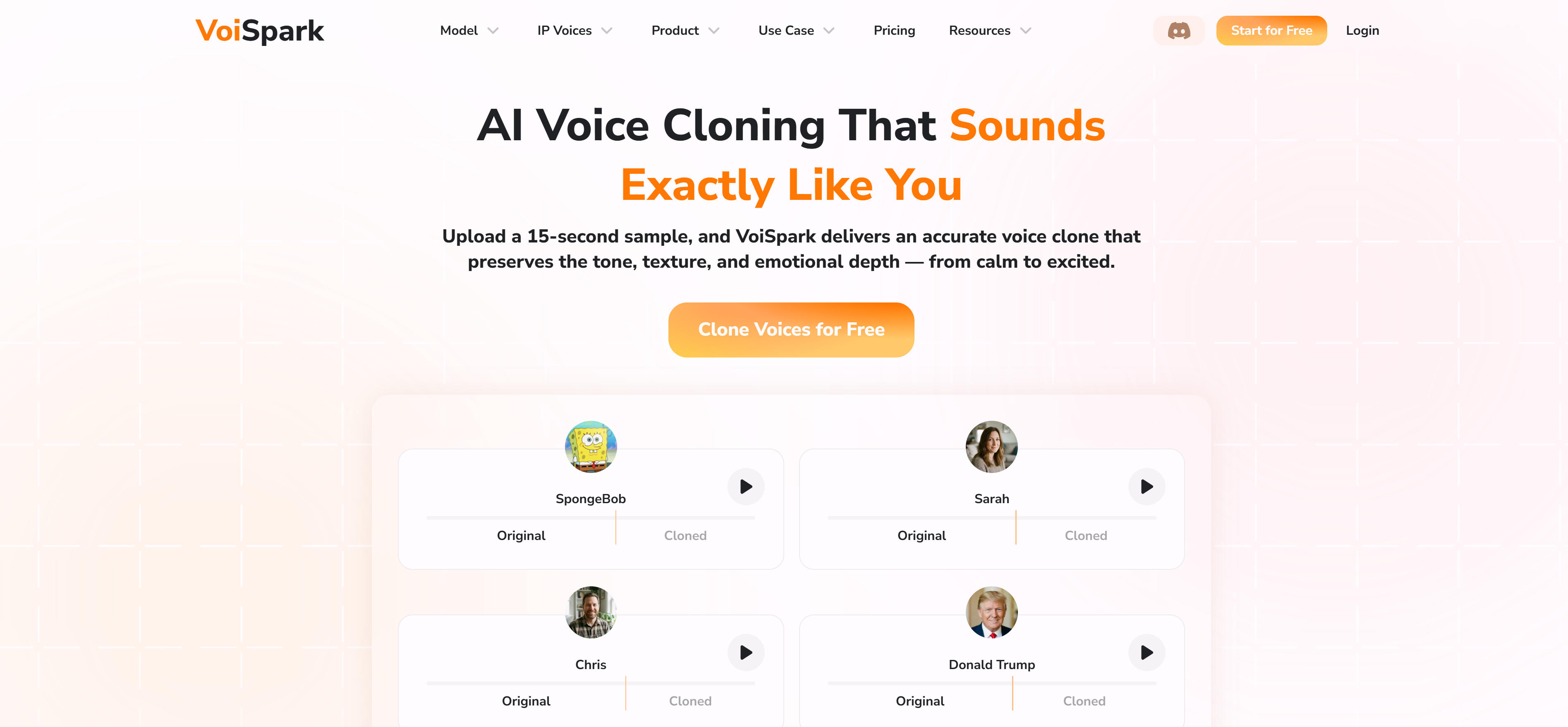
AI voice cloning tools can clone voice timbre through short audio samples and convert text to cloned speech. Their core advantage lies in powerful voice cloning capabilities, generating highly restored cloned speech through small audio samples, supporting emotional expression and tone control. Speechify, Resemble.ai, Uberduck, and Kits AI each have unique strengths for different use cases. Whether for personalized audio reading, brand virtual spokespersons, film-level voice reproduction, or voice protection, AI voice cloning tools provide efficient solutions, lowering voice production barriers.
5. AI Audio Translator: Cross-Language Speech Conversion

AI audio translator tools can convert speech from one language to another in real-time while preserving the original speaker's tone and emotion. These tools use advanced speech recognition, natural language processing, and speech synthesis technologies to achieve low-latency, multi-language real-time translation. Utell AI, Wordly, Transync AI, Maestra, and Rask AI each have unique strengths for different use cases. AI audio translator tools' core advantage lies in powerful cross-language communication capabilities, breaking language barriers for real-time multilingual communication while maintaining speech naturalness and emotional expression. Whether for international meetings, cross-border business, education training, or tourism services, AI audio translator tools provide efficient solutions, greatly reducing language communication barriers.
6. AI Accent Conversion: Speech Clarity Optimization
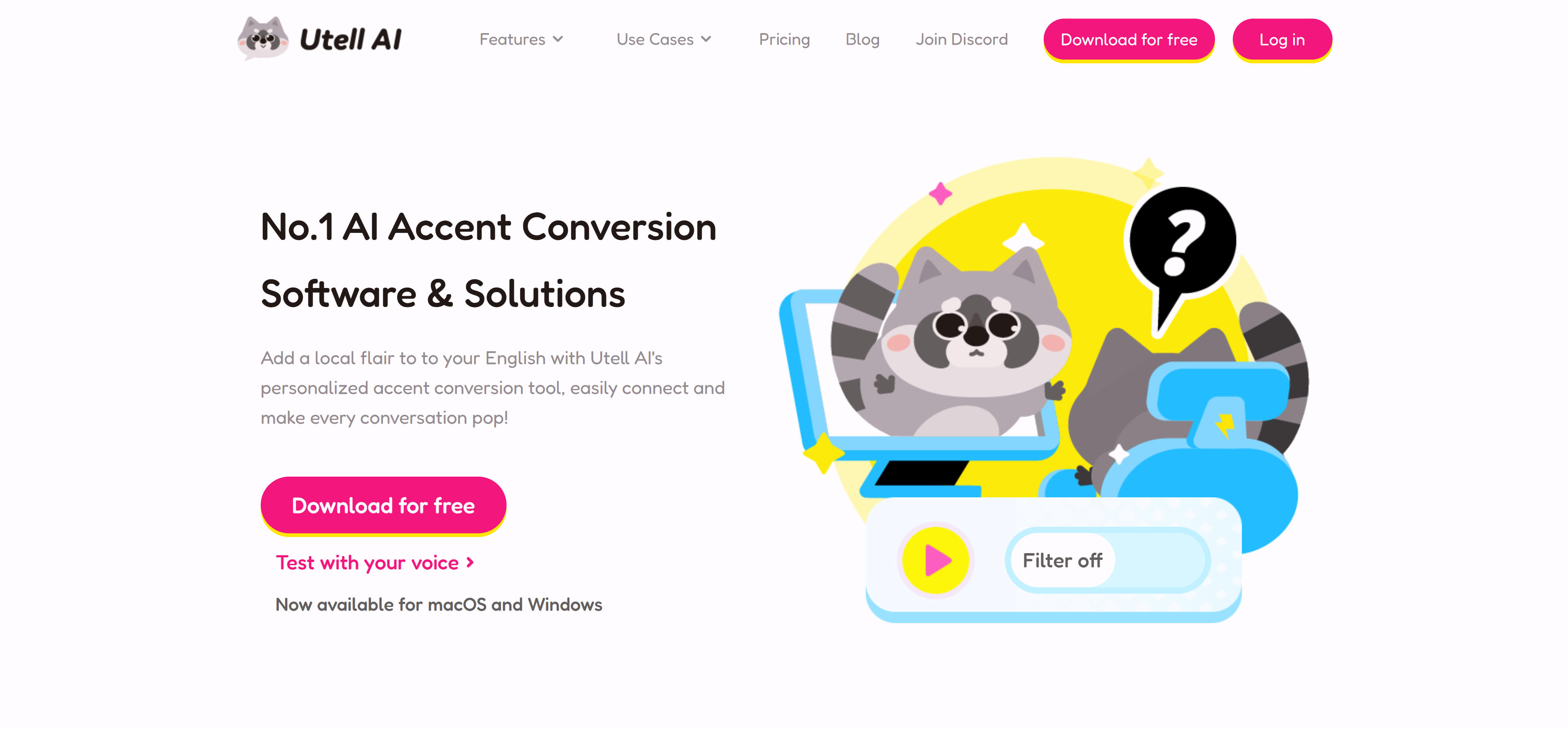
AI accent conversion tools can adjust speakers' accents in real-time to improve clarity while preserving natural voice characteristics. These tools use advanced speech processing algorithms to intelligently identify and adjust accent features, eliminating regional accent differences and improving speech professionalism and understandability. Utell AI, Krisp, Tomato.ai, and Sanas each have unique strengths for different use cases. AI accent conversion tools' core advantage lies in intelligent speech optimization capabilities, real-time speech processing, accent interference elimination, communication efficiency improvement, while maintaining speech naturalness and authenticity. Whether for call centers, global business, content creation, or education, AI accent conversion tools provide efficient solutions, greatly improving speech communication quality and effectiveness.
AI Audio Tools Use Cases
AI audio tools have wide applications, covering almost all industries requiring audio content. From content creation to enterprise services, from personal entertainment to professional production, AI audio tools play important roles across domains.
Content Creation
Content creation is one of the most widespread applications. Creators use AI audio tools to generate background music, voiceovers, and sound effects, improving efficiency. AI music generation creates background music for videos, podcasts, games; AI voice synthesis provides voiceovers for videos, animations, virtual characters; AI voice changers add diverse sound effects; AI audio translator tools translate content into multiple languages, expanding audience reach.
Enterprise Applications
Enterprise applications are another important field. Enterprises use AI audio tools to improve customer service, optimize training content, and enhance brand image. AI voice synthesis provides intelligent customer service, voice assistants, phone systems; AI voice cloning creates brand virtual spokespersons; AI music generation creates background music for enterprise videos and advertisements; AI audio translator tools provide real-time translation for multilingual meetings and training.
Entertainment and Gaming
Entertainment and gaming is an innovative application field. Game developers use AI voice changers to create unique character voices, enhancing immersion; AI music generation creates dynamic background music; AI voice synthesis provides natural dialogue for virtual characters; AI voice cloning recreates classic game character voices; AI accent conversion improves multiplayer online game voice communication.
Education and Accessibility
Education and accessibility fully utilize AI audio tools' auxiliary functions. AI voice synthesis converts textbooks to audiobooks, supporting visually impaired students; AI audio translator tools help language learners practice pronunciation; AI accent conversion improves online education voice clarity; AI voice cloning creates personalized learning assistants; AI music generation creates memorable music for educational content.
How to Choose AI Audio Tools
Choose the right AI audio tool based on your specific needs, quality requirements, pricing models, integration capabilities, and user experience to significantly improve audio creation efficiency and quality.
1. Clarify Your Needs and Tool Types
First, clarify your main needs: music generation, voice changing, voice synthesis, or voice cloning? Music generation tools like Suno suit background music creation; voice changers like Voicemod suit game live streaming; voice synthesis tools like ElevenLabs suit dubbing production; voice cloning tools like Resemble.ai suit personalized applications. Choose tool types based on needs to avoid selecting mismatched functions.
2. Evaluate Quality and Core Features
Check output quality: music generation natural and pleasant? Voice changing realistic? Voice synthesis fluent and natural? Voice cloning highly restored? Also focus on core features: support multiple languages? Provide pitch control? Support batch processing? High-quality core features are the foundation for tool selection.
3. Consider Pricing and Usage Costs
Evaluate pricing models: free trials available? Subscription fees reasonable? Pay-per-use support? For light users, choose free or basic versions; professional users consider paid version feature advantages. Note hidden costs: API call fees, storage fees, etc. Compare different tool cost-effectiveness, choose the most budget-appropriate solution.
4. Check Integration and Compatibility
Confirm tool integration capabilities: support your commonly used platforms? Provide API interfaces? Compatible with your devices? Content creators need video editing software integration consideration; enterprise users need existing system compatibility attention. Choose easy-to-integrate and use tools to greatly improve work efficiency.
5. Evaluate User Experience and Support
Try tool user interfaces: intuitive interface? Simple operation? Gentle learning curve? Also check support services: detailed tutorials provided? Active community? Timely technical support? Choose good user experience tools to reduce learning costs and quickly get started.
Conclusion
AI audio tools demonstrate powerful functions in music generation, voice changing, voice synthesis, and voice cloning. Whether creators, musicians, or enterprises, all can gain convenience and creative inspiration from these tools.
However, AI audio tools aren't universal. They excel at tasks with clear patterns and rules, while humans remain essential for deep emotional expression, creative judgment, and artistic requirements. The best approach is human-AI collaboration: AI handles repetitive, technical processing, while humans focus on creative conception, quality control, and artistic expression.
For more AI tool types, check our complete AI tools guide, covering AI LLMs, image tools, design tools, 3D tools, video tools, and more.