Article Introduction
This comprehensive guide introduces AI text-to-speech (TTS) tools, from basic concepts to tool comparison analysis, helping you understand how to use AI technology to convert text into natural, fluent speech and create engaging audio content. We'll explore 13 leading TTS tools including VoiSpark, ElevenLabs, Cartesia, Minimax Audio, Fish Audio, and others, covering their features, pricing, and application scenarios. Through detailed technical analysis and usage guides, you'll master the key methods for selecting appropriate TTS tools and improve your content creation efficiency.
What Are AI Text-to-Speech (TTS)
AI Text-to-Speech (TTS) converts text into natural, fluent speech using AI and deep learning, enabling computers to generate human-like voice output. TTS technology improves content creation efficiency, supports multilingual voiceovers, and presents text content more engagingly. Whether for virtual character voiceovers, enterprise applications, or content creation, TTS technology plays an important role. Modern text-to-speech tools generate high-quality voice and support emotion expression, tone adjustment, and speed control.
Today's TTS tools use neural network models that understand text semantics and context, generating natural and expressive speech. These tools are widely used in audiobook production, video voiceovers, smart customer service, virtual assistants, and many other fields.
How AI Text-to-Speech Works
Modern AI text-to-speech technology uses deep learning and neural network models that understand text semantics and context, generating natural and fluent speech. Compared to traditional TTS technology, AI TTS improves voice naturalness, emotion expression, and multilingual support. Core advantages include: generating high-quality speech close to human voices, supporting multiple emotions and tone adjustments, supporting dozens or hundreds of languages, cloning specific voices through short audio samples, and supporting real-time voice synthesis and batch processing.
As AI technology develops, TTS tool application scenarios expand from initial audiobook production to virtual character voiceovers, enterprise applications, multilingual localization, and more. Choosing the right TTS tool is crucial for improving content creation efficiency and quality.
Best AI Text-to-Speech 2026
The following AI text-to-speech tools for 2026 cover all-in-one platforms, commercial-grade tools, developer tools, and integrated tools, helping you choose the most suitable TTS solution based on your needs.
1. VoiSpark: Unified Platform Integrating All Mainstream TTS Models
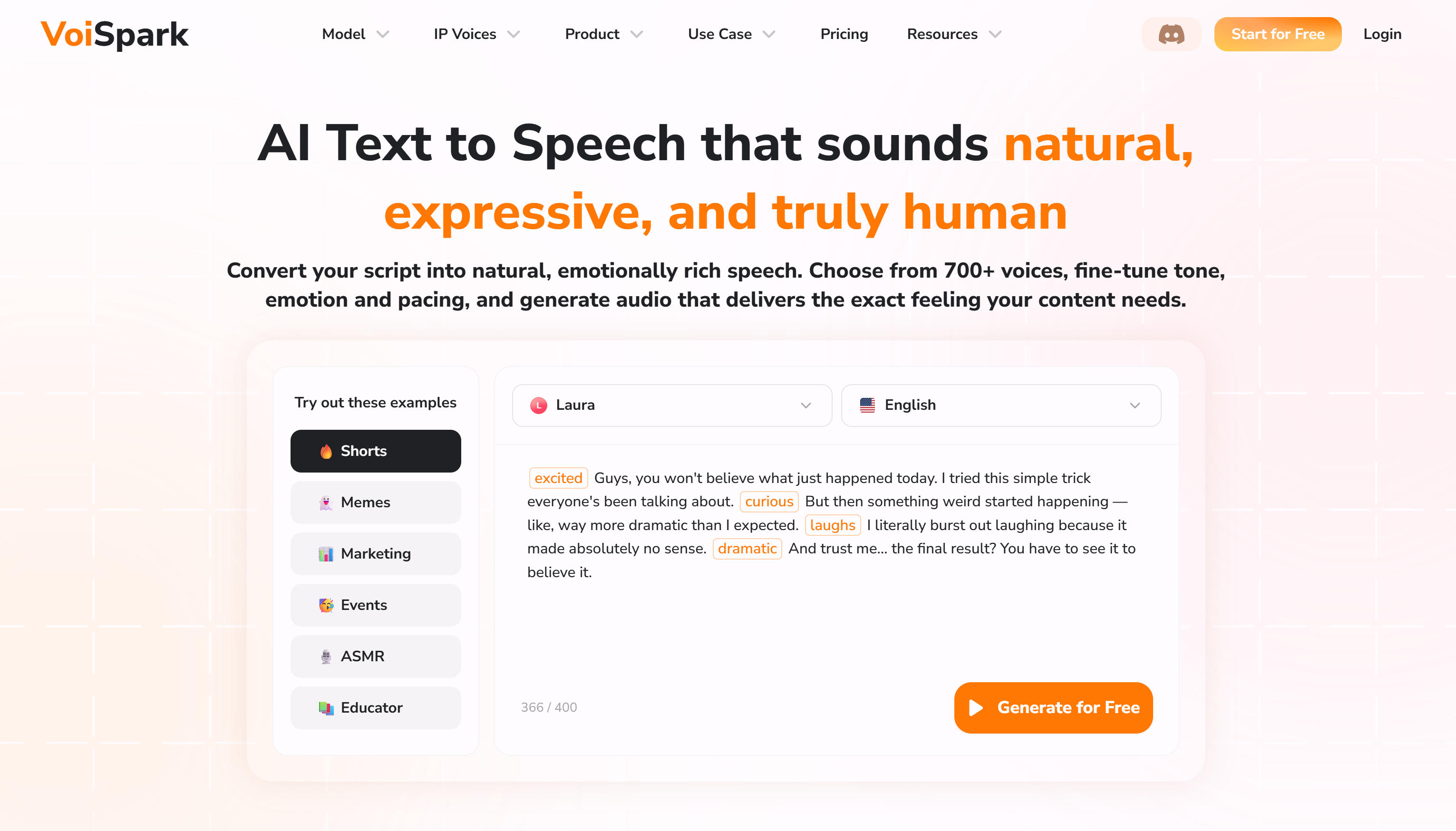
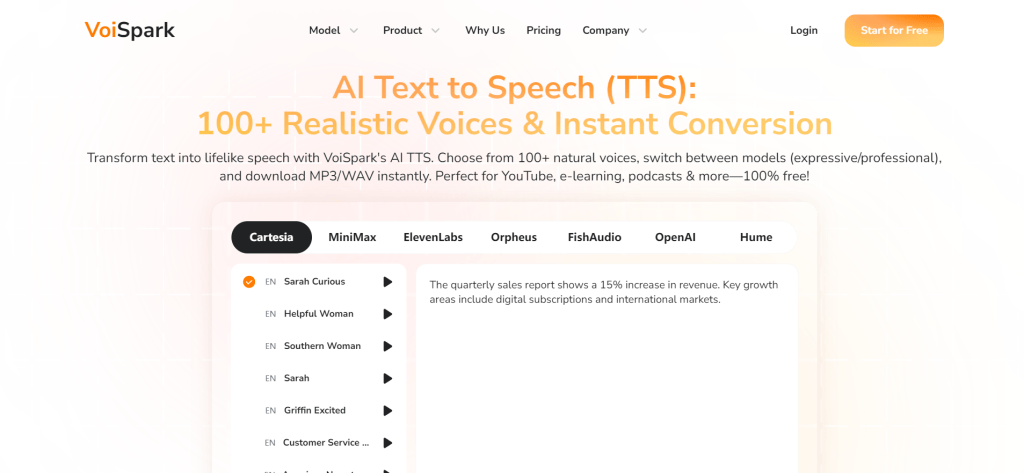
VoiSpark is an integrated AI voice tool platform integrating nearly all mainstream TTS models, including ElevenLabs, Cartesia, MiniMax, Orpheus, OpenAI, FishAudio, Nari Labs, and Sesame. Through a unified interface, users can access all mainstream models from one platform without registering multiple services, quickly compare effects and flexibly switch. VoiSpark offers text-to-speech, voice generation, voice changing, voice cloning, and voice editing features, suitable for users needing to compare different model effects or flexibly switch models. VoiSpark's integrated design enables users to experience all mainstream TTS models on one platform, greatly simplifying tool selection and usage workflows.
2. ElevenLabs: High-Quality Voice Synthesis

ElevenLabs is one of the most popular text-to-speech tools, renowned for natural voice synthesis quality. The platform supports multilingual voice synthesis, including English, Chinese, Japanese, French, German, and dozens of languages, generating high-quality speech. ElevenLabs supports multiple emotions and tone adjustments, voice cloning, fine-grained voice parameters (speed, pitch, pauses), and provides comprehensive APIs. Suitable for virtual character voiceovers, audiobook production, video voiceovers requiring high voice naturalness. ElevenLabs' voice synthesis technology leads the industry, ideal for content creation projects requiring high voice quality.
3. Cartesia: Real-Time Voice Synthesis

Cartesia is an AI text-to-speech tool focused on real-time voice synthesis, providing low-latency, high-quality voice synthesis services. Cartesia supports multiple languages and voice models, suitable for real-time voice interaction scenarios like voice assistants, real-time translation, voice announcements. The platform provides comprehensive API interfaces, supporting streaming voice output for low-latency voice synthesis. Cartesia's real-time synthesis capabilities make it ideal for applications requiring instant voice feedback.
4. Minimax Audio: Multilingual Multi-Emotional

Minimax Audio is an AI voice synthesis tool by MiniMax, supporting multilingual and multi-emotional voice generation. The platform supports 12 languages and dialects, including Chinese, Cantonese, English, Japanese, providing voice cloning (only 30 seconds of audio sample), supporting 6 emotional voice synthesis (happy, angry, sad, etc.), and intelligent noise reduction. Minimax Audio is suitable for media content creation, entertainment industry, knowledge dissemination, and commercial services. Its multilingual and multi-emotional support makes it ideal for applications requiring diverse voice content.
5. Fish Audio: Open-Source Voice Synthesis
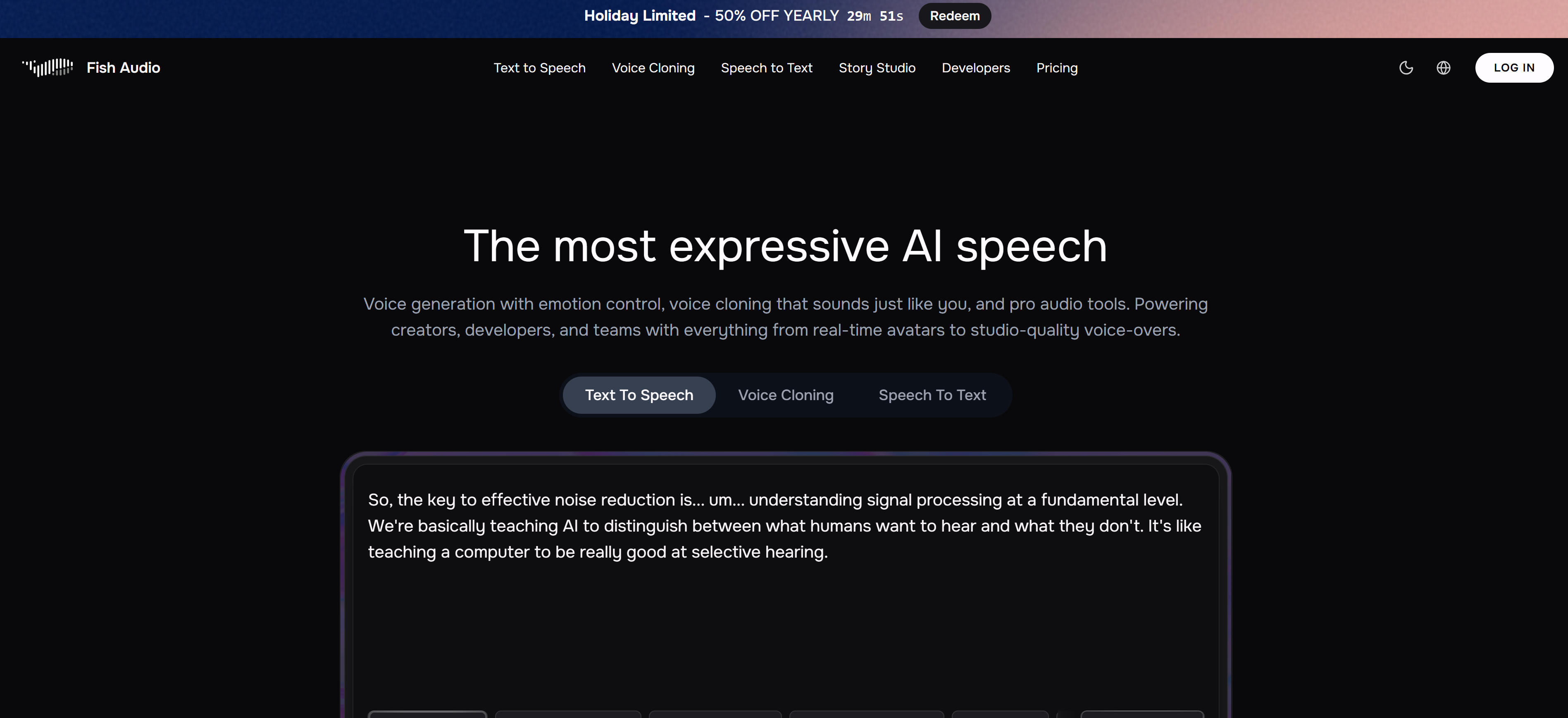
Fish Audio is an open-source AI voice synthesis tool providing high-quality text-to-speech functionality. Fish Audio supports multiple languages and voice models, provides voice cloning and emotion expression, suitable for developers and researchers. As an open-source tool, Fish Audio offers flexible customization options and API interfaces, suitable for users needing deep customization of voice synthesis features. Fish Audio's open-source nature makes it ideal for developers and researchers needing custom voice synthesis functionality.
6. Sesame: Smart Voice Processing

Sesame is an AI voice synthesis tool focusing on smart voice processing, providing natural voice synthesis and voice cloning features. Sesame supports multiple languages and voice models, suitable for content creation and voice processing needs. The platform provides comprehensive voice processing capabilities, including text-to-speech, voice cloning, and voice editing. Sesame's smart processing makes it ideal for users needing high-quality voice synthesis.
7. Gradium: Enterprise-Grade Voice Synthesis
Gradium is an enterprise-grade AI voice synthesis tool providing professional voice synthesis services. Gradium supports multiple languages and voice models, focusing on high-quality enterprise applications. The platform provides comprehensive enterprise features, including custom voice training, API integration, and batch processing. Gradium's enterprise-grade capabilities make it ideal for large-scale voice synthesis needs.
8. Hume: Emotional Intelligence Voice
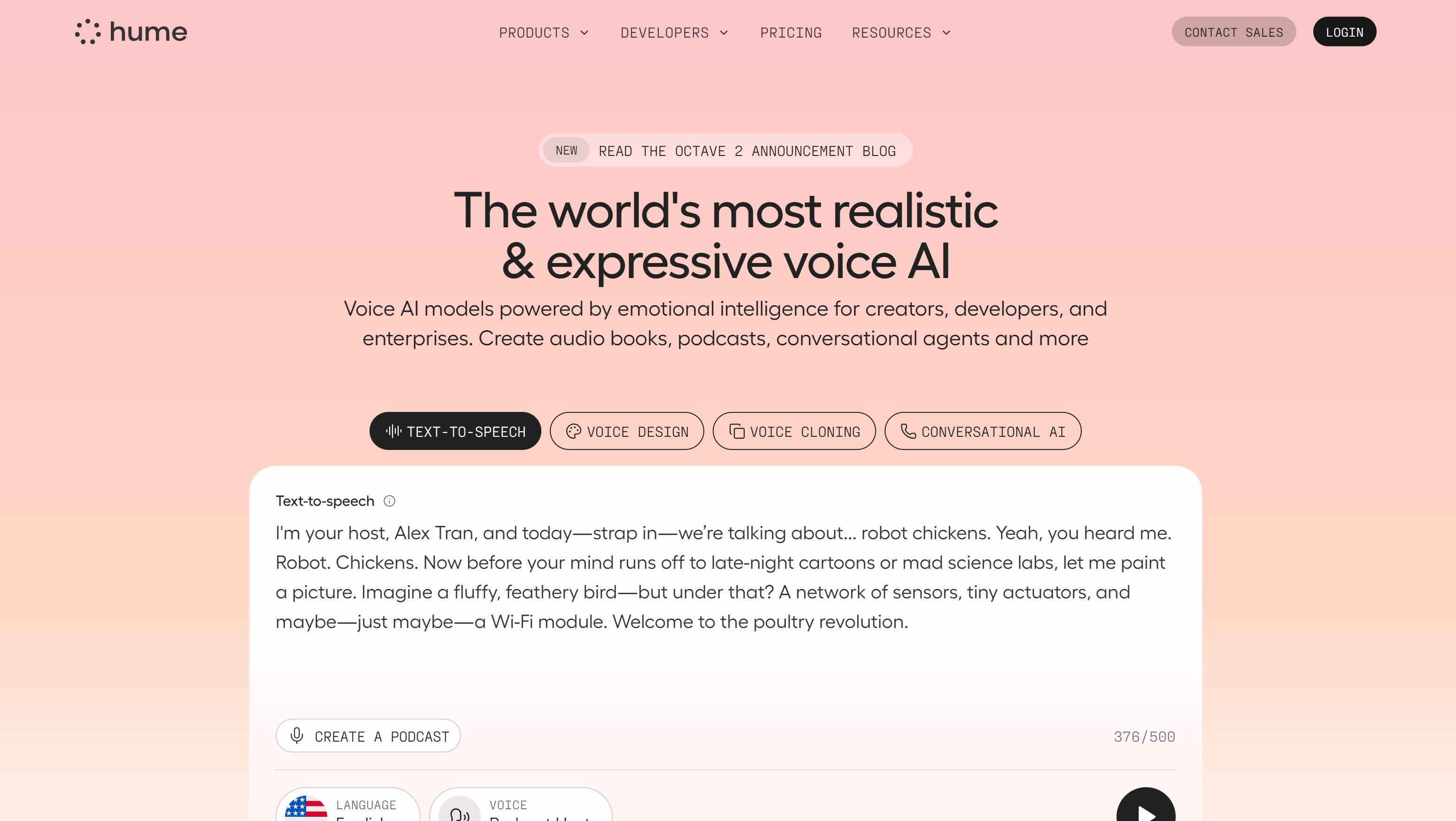
Hume is an AI voice synthesis tool focusing on emotional intelligence, providing voice synthesis with rich emotional expressions. Hume supports multiple emotions and voice characteristics, suitable for content requiring emotional expression. The platform provides comprehensive emotional voice synthesis capabilities, including emotion recognition and expression. Hume's emotional intelligence makes it ideal for applications requiring expressive voice content.
9. PlayHT: Enterprise-Grade Service
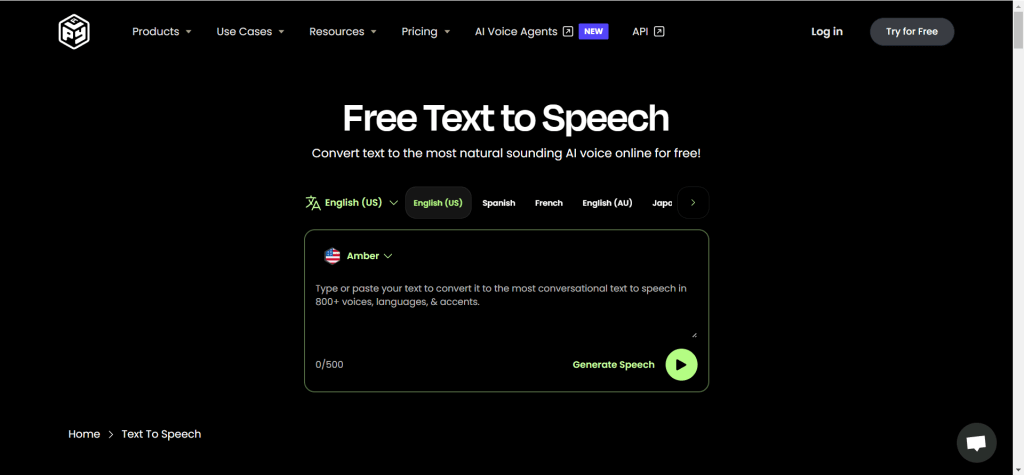
PlayHT is an enterprise-grade text-to-speech service providing high-quality voice synthesis. PlayHT supports multiple languages and voice models, focusing on professional enterprise applications. The platform provides comprehensive enterprise features, including custom voice training, API integration, and scalable processing. PlayHT's enterprise-grade capabilities make it ideal for large organizations needing reliable voice synthesis services.
10. Lovo: Asian Language Optimization
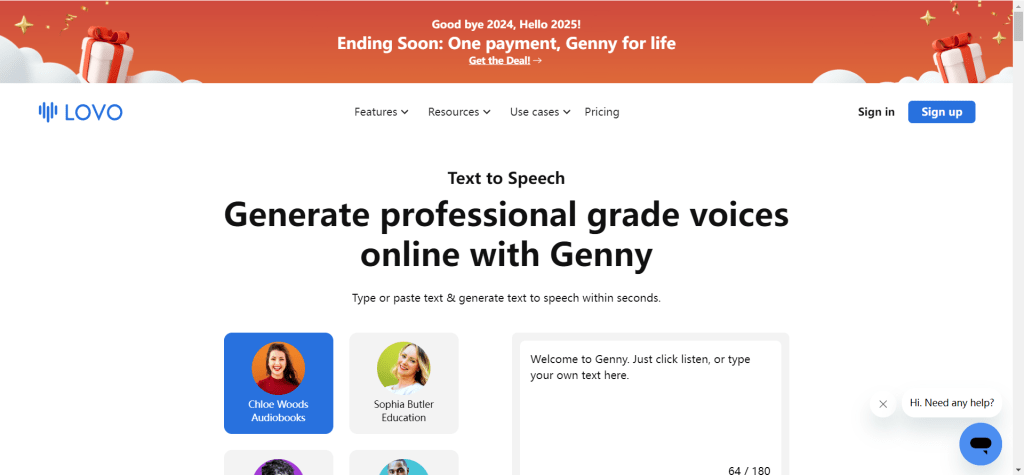
Lovo is an AI voice synthesis tool optimized for Asian languages, providing high-quality voice synthesis for Chinese, Japanese, Korean, and other Asian languages. Lovo supports multiple Asian language voice models, focusing on accurate pronunciation and natural expression. The platform provides comprehensive Asian language voice synthesis capabilities, including dialect support and cultural adaptation. Lovo's Asian language optimization makes it ideal for content targeting Asian markets.
11. Deepgram: Developer-Oriented
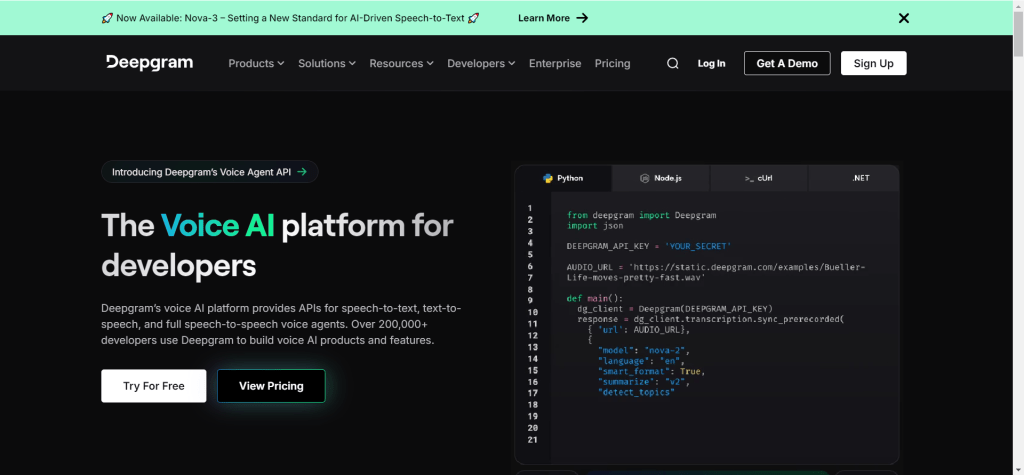
Deepgram is a developer-oriented text-to-speech tool providing comprehensive API integration capabilities. Deepgram supports multiple languages and voice models, focusing on developer needs. The platform provides extensive API documentation, SDK support, and developer-friendly features. Deepgram's developer orientation makes it ideal for applications requiring programmatic voice synthesis integration.
12. Dubverse: Multilingual Voiceover
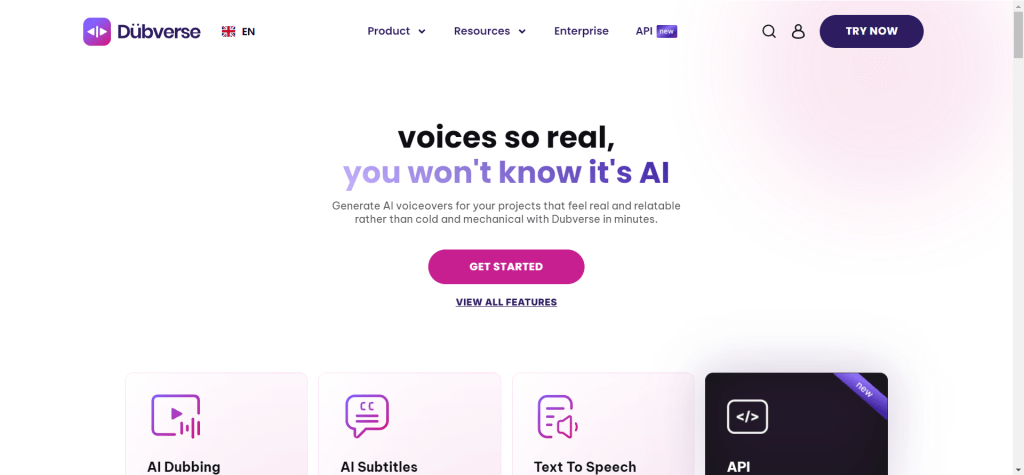
Dubverse is a multilingual voiceover tool providing AI-powered voice synthesis for multiple languages. Dubverse supports dozens of languages and voice models, focusing on high-quality voiceover production. The platform provides comprehensive multilingual voiceover capabilities, including automatic translation and voice synthesis. Dubverse's multilingual features make it ideal for global content localization needs.
13. Typecast: Virtual Actor Voiceover
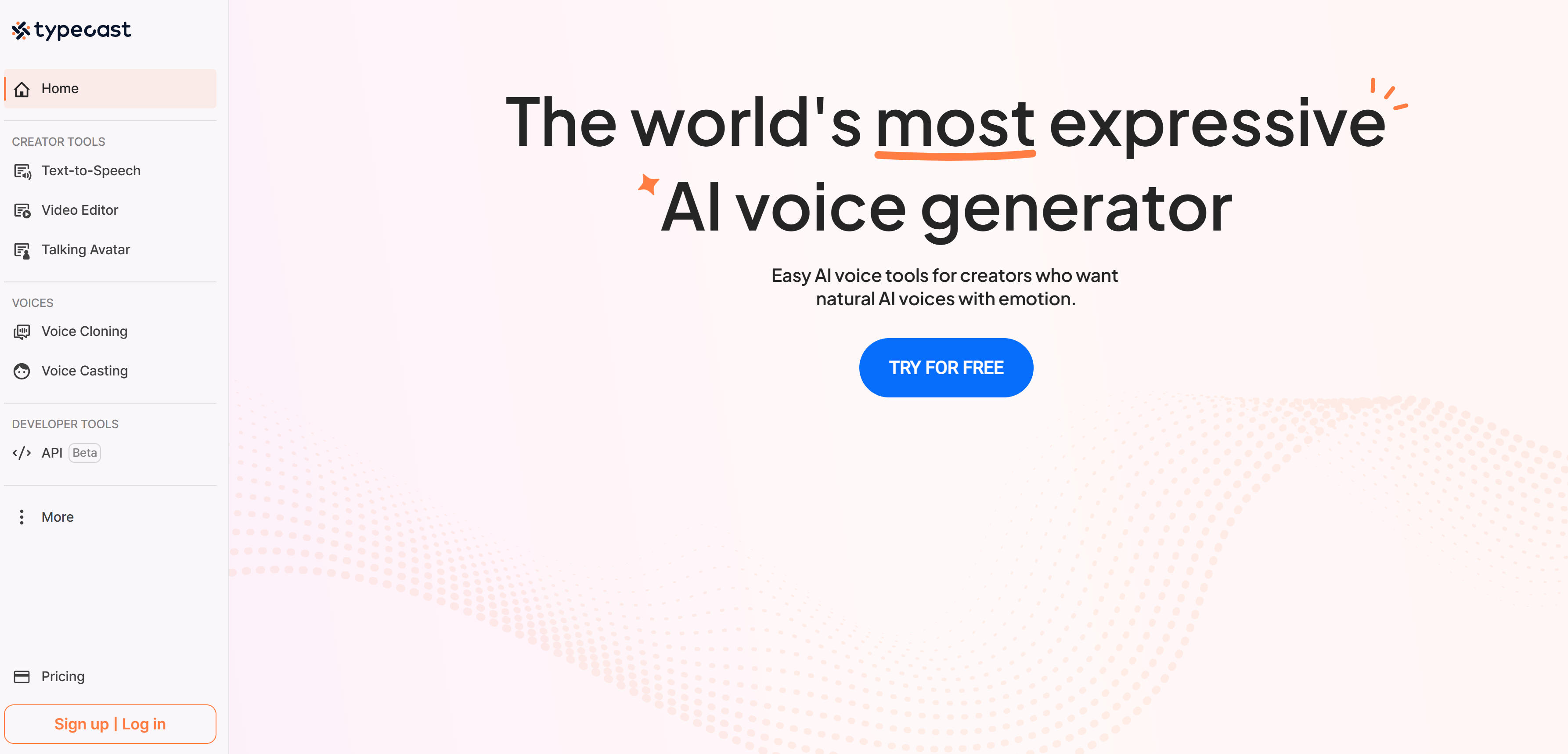
Typecast is a virtual actor voiceover tool providing character-based voice synthesis. Typecast supports multiple languages and character voices, focusing on animated content and virtual performances. The platform provides comprehensive character voiceover capabilities, including emotion expression and character consistency. Typecast's virtual actor features make it ideal for animation, gaming, and interactive content production.
Tool Comparison
Below is a comparison table of mainstream AI text-to-speech tools to help you quickly understand each tool's characteristics and applicable scenarios:
Use Cases: Transform Text to Speech
Content Creation Scenarios
Audiobook production: Convert written books into natural audiobooks, expanding content reach and accessibility. Video voiceovers: Add professional voiceovers to videos, improving content production efficiency. Podcast creation: Generate natural podcast voices, supporting content creators in producing engaging audio content. Educational content: Convert educational materials into audio format, improving learning accessibility.
Enterprise Application Scenarios
Virtual assistants: Provide natural voice responses for customer service and support. Smart customer service: Generate personalized voice responses for different customer needs. Training materials: Convert training documents into audio format for employee learning. Internal communications: Create professional voice announcements for corporate communications.
Multilingual and Localization
Global content localization: Translate and voice content for international markets. Multilingual education: Provide audio learning materials in multiple languages. Cross-cultural communication: Support communication across language barriers. International marketing: Create localized audio content for global audiences.
Accessibility Services
Screen reader support: Help visually impaired users access digital content. Document accessibility: Convert documents into audio format for better accessibility. Educational support: Provide audio assistance for students with reading difficulties. Workplace accommodation: Support employees with accessibility needs.
How to Choose Text-to-Speech
Choose the right tool based on your specific needs, quality requirements, budget, and ease of use.
1. Evaluate Voice Quality Requirements
Voice quality is the most important factor when choosing text-to-speech tools. Consider naturalness (whether generated speech is close to human voices), fluency (whether speech is smooth), emotion expression (ability to express different emotions and tones), and pronunciation accuracy (especially for complex languages like Chinese). Different tools vary in voice quality. Try before deciding. For scenarios requiring high voice quality (such as audiobooks, advertising voiceovers), consider high-quality tools like ElevenLabs. For simple voice announcements, choose more cost-effective tools.
2. Assess Language Support Needs
Confirm whether tools support required languages and dialects. Different tools vary significantly in language support: multilingual support (if multiple languages are needed, choose tools supporting more languages), specific language optimization (if primarily using Chinese, choose tools optimized for Chinese, such as Lovo), dialect support (some tools support specific dialects, such as different Chinese accents). If primarily using Chinese, prioritize tools optimized for Chinese, such as Lovo and Baidu Voice Synthesis. If multilingual support is needed, choose tools supporting more languages, such as PlayHT and ElevenLabs.
3. Evaluate API Integration Needs
If you need to integrate text-to-speech functionality into existing systems or applications, choose tools providing comprehensive API interfaces. API integration requires considering API documentation (detailed API documentation and code examples), SDK support (SDKs for multiple programming languages), call limits (API call limits, rate limits), stability (API service stability and availability), and response speed (API response latency). For scenarios requiring API integration, consider tools providing comprehensive APIs, such as PlayHT, Deepgram, and ElevenLabs.
4. Consider Budget and Pricing
Different text-to-speech tools have significantly different pricing strategies: free tiers (many tools offer free trial tiers for testing), subscription pricing (monthly or annual subscription prices), pay-as-you-go (pricing based on character count or duration), enterprise plans (enterprise plans typically offer better pricing and services). Small-scale use: choose tools with free tiers, such as ElevenLabs' free plan. Medium-scale use: choose pay-as-you-go tools, pay based on actual usage. Large-scale use: consider enterprise plans. If you need to switch between multiple models or compare effects, consider integrated platforms like VoiSpark.
5. Evaluate Special Feature Requirements
Different text-to-speech tools offer different special features: voice cloning (if cloning specific voices is needed, choose tools supporting voice cloning, such as ElevenLabs), emotion expression (if expressing different emotions is needed, choose tools supporting emotion adjustment), multilingual translation (if multilingual content production is needed, choose tools integrating translation, such as Dubverse), character-based voiceover (if character-based voiceover is needed, choose specialized tools like Typecast), real-time synthesis (if real-time voice synthesis is needed, choose tools supporting real-time APIs, such as Deepgram). If requirements are complex, consider integrated platforms like VoiSpark.
Frequently Asked Questions
Conclusion
AI text-to-speech tools are revolutionizing the content creation and voice service industry, providing creators and enterprises with unprecedented efficiency. From integrated platforms like VoiSpark, to professional tools like ElevenLabs and PlayHT, to developer-friendly tools like Deepgram, these tools cover complete scenarios from content creation to enterprise applications. For content creation projects, professional TTS tools generate natural and fluent speech, supporting multiple emotions and tones, improving content production efficiency and quality.
AI tools should serve as collaborative partners in voice synthesis, not replacements for human creativity. They handle technical and repetitive work, allowing creators to focus on content creation and storytelling. As AI technology develops, these tools' capabilities will continue to improve. Whether you're a content creator, enterprise user, or developer, choosing the right text-to-speech tool can improve your work efficiency and creative quality. Utilize free trials based on specific needs, budget, and usage scenarios, make the most suitable choice after actual experience.