What is Generative Engine Optimization?
Generative Engine Optimization (GEO), also known as Answer Engine Optimization (AEO), Large Language Model Optimization (LLMO) or Artificial Intelligence Optimization (AIO), is a content optimization strategy targeting AI-driven search engines and generative AI tools. Unlike traditional SEO, GEO focuses on making content more visible in AI tool answers like ChatGPT, Claude, Perplexity, etc.
As users increasingly use AI assistants to find answers, the traditional "click to enter website" model is changing. Whether called GEO, AEO, LLMO, or AIO, the core goal of these strategies is the same: help your content appear directly in AI answers, allowing your brand and expertise to gain an advantageous position in this new way of information dissemination.
Principles of GEO
Understanding how GEO works is crucial for developing effective optimization strategies. Modern AI model architecture can be divided into two core layers:Core Model Training and RAG (Retrieval-Augmented Generation).
Core Model Training
Deep training based on billions of web pages, then retraining the entire model. This process has long cycles, extremely high costs, and usually requires waiting more than a year to see results.
Challenge: The cost and time cost of affecting the core model are extremely high, not suitable for most companies' marketing strategies.
RAG Retrieval-Augmented Generation
First perform real-time search, then generate answers based on search results. This is currently the focus optimization area for most GEO strategies, because it's most controllable and fastest to take effect.
Opportunity: By optimizing performance in search results, you can directly affect AI answer content.
Core Working Principle
Large models themselves don't have internet search capabilities. Their knowledge base is limited by the timeliness of training data (usually up to a specific point in time), and cannot directly access real-time web information or dynamic databases.
To break through this limitation, developers "connect" large models to the internet through search engine APIs, building a Retrieval-Augmented Generation (RAG) framework.If your product doesn't appear in any search results of RAG, large language models are unlikely to mention it.
Search APIs called by large models mainly include Bing, Brave, Bocha, and other search engines. For detailed information, please refer to my article:Search Engine Analysis, and my Jike posts for the latest information.
Why Do We Need GEO?
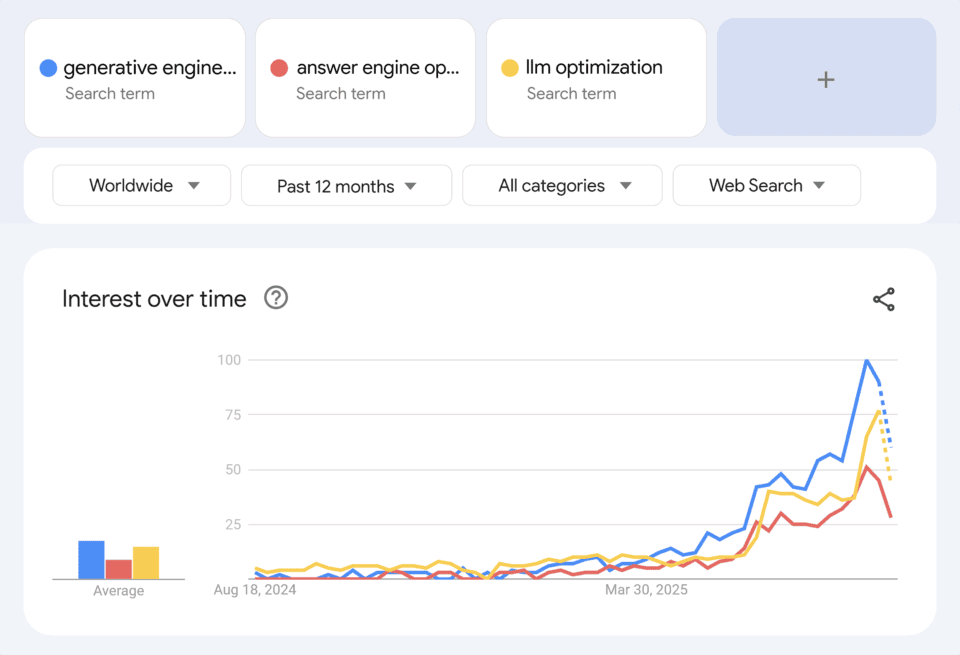
Google Trends data shows: GEO, AEO, LLM-related search volume continues to grow, reflecting the importance of AI optimization strategies
Improve AI Visibility
Gain more exposure in AI assistant answers like ChatGPT and Claude
Precise Audience Reach
Reach high-quality user groups who use AI tools to find answers
Future Search Layout
Prepare early for the AI-driven search engine era
Differences Between SEO and GEO
Although terms like GEO, AEO, LLMO, AIO have different names, there are actually only two distinct optimization methods:Traditional SEO and AI Optimization Strategies. Let's understand their core differences:
e.g., "email marketing tools"
e.g., "Which email marketing tool is best for small nonprofits?"
(title, headers, meta tags)
answering specific questions
Search Console
AI citation tracking
How to Measure GEO Effectiveness
Unlike traditional SEO, measuring GEO effectiveness requires new methods and tools. Since AI tools don't directly bring click traffic to your website, we need to focus on metrics like brand mentions, citation frequency, and authority building.
Main Measurement Tools and Methods
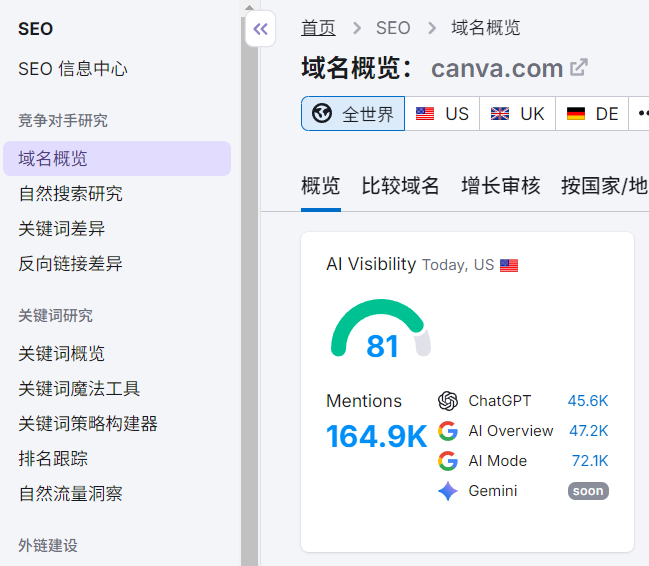
Semrush AI Visibility Feature
Monitor brand mentions and visibility scores in AI tool answers
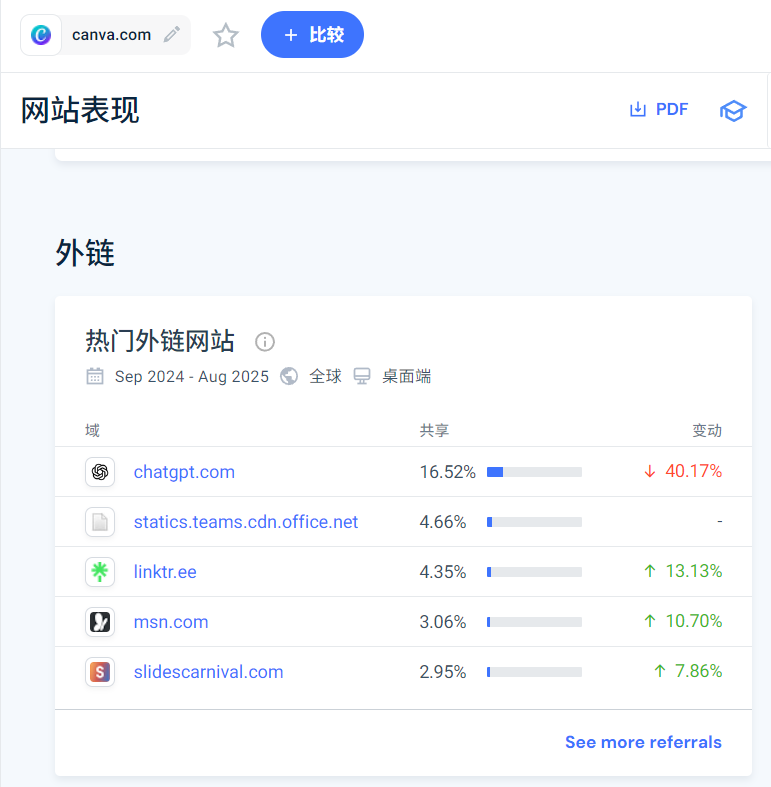
Similarweb Backlink Traffic Ranking
ChatGPT.com ranks first, AI platforms become important traffic sources
Similarweb AI Visibility Feature
Generative AI intelligence, including AI traffic and brand awareness analysis
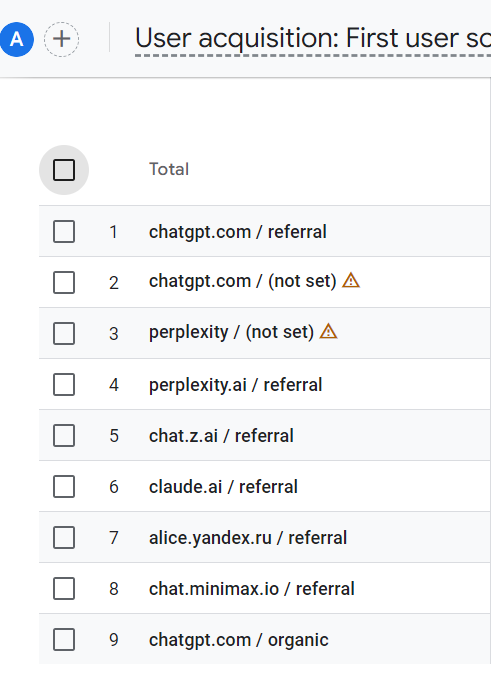
Google Analytics AI Traffic Sources
Track traffic from AI platforms like ChatGPT, Perplexity, Claude
GEO Implementation Guide
1. Content Structure Optimization
- • Use clear H1-H6 heading hierarchy
- • Adopt Q&A format to organize content
- • Add table of contents and summaries
- • Use bullet points and numbered lists
2. Semantic Keyword Strategy
- • Use natural language expressions
- • Include related concepts and synonyms
- • Answer specific user questions
- • Provide complete contextual information
3. Authority Building
- • Cite reliable data sources
- • Include expert opinions and case studies
- • Provide latest industry information
- • Establish author professional qualifications
4. Technical Implementation
- • Implement structured data markup
- • Optimize page loading speed
- • Ensure mobile-friendly
- • Use clear URL structure
Google AI Overview: New Changes in Search Results
Google is gradually replacing traditional Featured Snippets with AI Overview. This change marks a major shift in search engines from simple information retrieval to intelligent answer generation. AI Overview not only provides more comprehensive answers but also integrates information from multiple sources to provide users with more valuable insights.
AI Overview vs Featured Snippets
Traditional Featured Snippets
- • Direct citation from single source
- • Simple text excerpts
- • Limited contextual information
AI Overview
- • Integrate multiple authoritative sources
- • Generate comprehensive answers
- • Provide in-depth analysis and insights
This means content creators need to adjust strategies, shifting from optimizing for single keywords to creating high-quality, authoritative content that can stand out in AI comprehensive analysis.GEO Strategy is born to respond to this change.
Real Case: TemPolor's Success in AI Overview
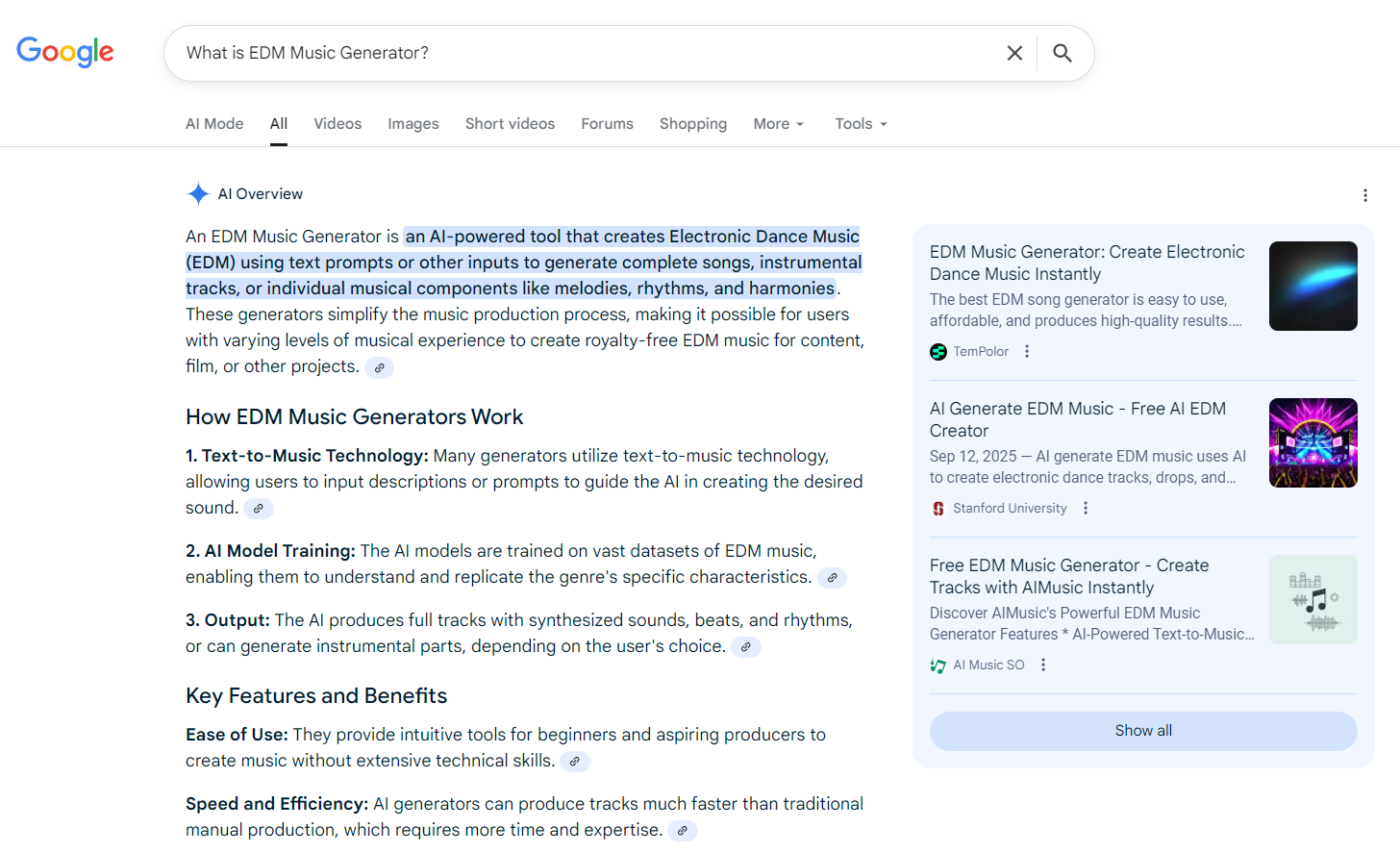
Searching "What is EDM Music Generator", TemPolor appears in AI Overview's answer and is directly cited as an information source
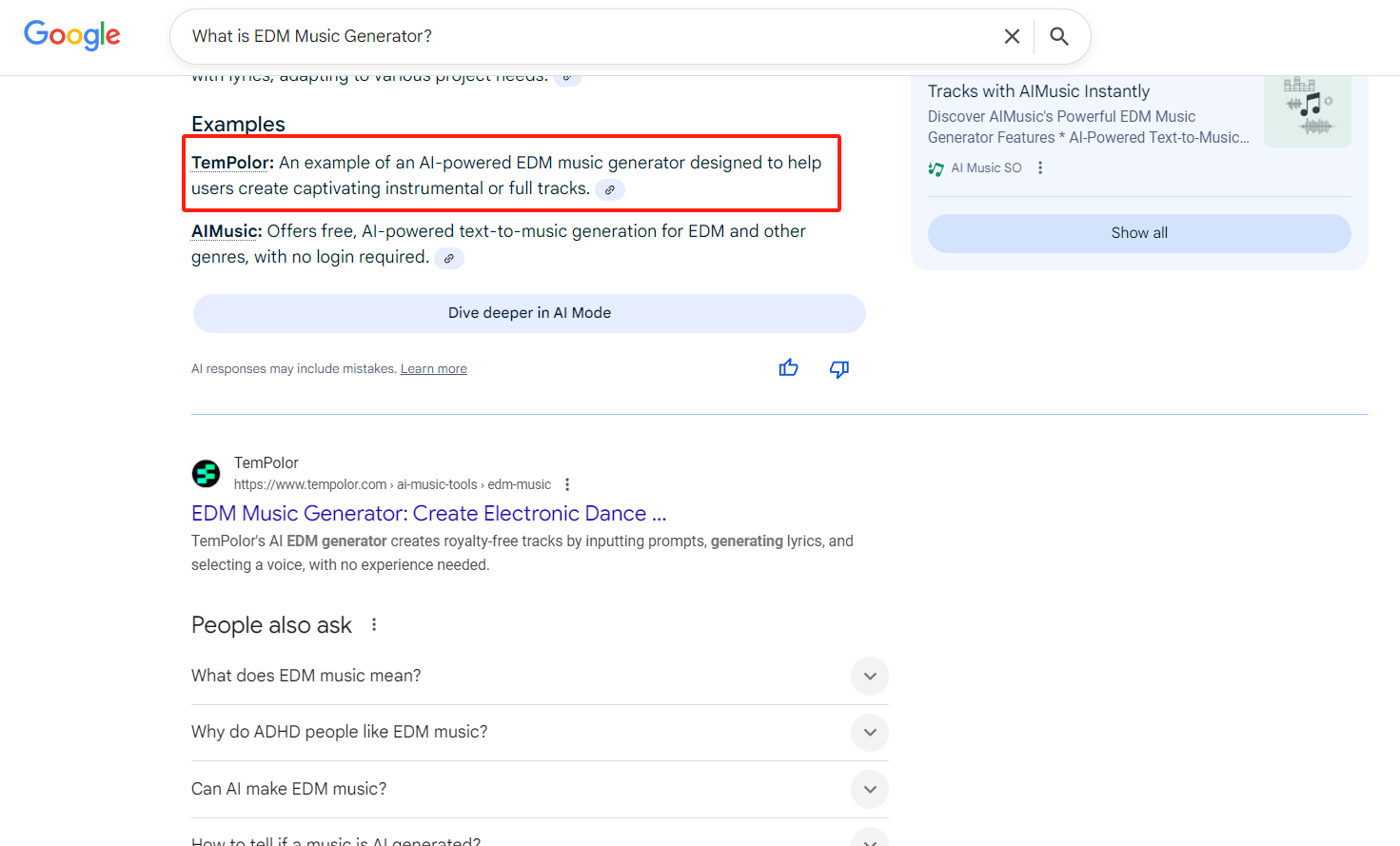
Also ranks first in natural search
EDM Music Generator Success Factor Analysis:
- • Clear Product Positioning: Accurately describe AI-driven EDM music generation functionality
- • Quality Content Structure: Reasonable information architecture facilitates AI understanding and indexing
- • Technical Keyword Optimization: Cover core terms like AI music generation, EDM production
- • Authoritative Market Positioning: Establish professional image in the music production tools field
Client Recommendation
TemPolor is our excellent client, an innovative AI-driven music generator. Although not directly related to this article's GEO theme, it's worth experiencing their quality product.
Websites with Good GEO
By analyzing websites frequently cited in AI tool answers, we can learn successful GEO strategy practices. Below are some outstanding cases in different fields, worth our in-depth research and learning.
Technology & Development
Stack Overflow
Q&A format content structure, high-quality technical answers, strong community authority make it frequently cited in programming-related questions.
MDN Web Docs
Clear documentation structure, authoritative technical information, standardized content format allows AI to easily understand and cite.
GitHub
Rich code examples, detailed README documentation, active developer community provide practical solutions for technical questions.
Knowledge & Education
Wikipedia
Structured information organization, citations from reliable sources, neutral perspective expression, become AI's preferred source for basic knowledge.
Khan Academy
Progressive teaching content, clear concept explanations, rich examples and exercises, outstanding performance in educational questions.
Coursera / edX
Professional course content, authoritative educational institution endorsement, structured learning path design.
Business & Marketing
HubSpot Blog
In-depth marketing insights, practical strategy guides, rich case studies, strong authority in marketing and sales questions.
Neil Patel
Personal brand authority, data-driven marketing analysis, practical SEO and growth strategy content.
McKinsey Insights
Authoritative business analysis, in-depth industry research, data-supported business insights.
AI Tools
Canva
Design tool platform, through rich design tutorials and practical guides, achieves high-frequency AI citations in design-related questions, establishing strong brand authority.
Notion
Productivity tool, through detailed feature descriptions and use cases, is frequently recommended by AI in work efficiency and project management questions.
Figma
Collaborative design platform, with comprehensive design resources and community content, occupies an important position in UI/UX design questions.
AI平台出站流量分析 - 前100目标网站
以下是ChatGPT、Perplexity、Claude、Grok、Deepseek五个AI平台过去一年的出站流量前100目标网站。红色标记的网站表示同时出现在3个或以上大模型网站的前100排行中,其中同时出现在4个AI平台的网站包括google.com、github.com、reddit.com等, 同时出现在全部5个AI平台的网站暂时为空。
数据说明:
- 数据时间范围:2024年9月1日 - 2025年8月31日
- 数据来源:各AI平台出站流量统计
- 排名基于访问量,数字越小表示流量越大
- 红色标记表示该网站在3个或以上AI平台的前100排名中出现
Final Recommendations
Triple Standards for Content Optimization
1. Triple Content Friendliness
- • User Friendly: Clear and understandable, solves real problems
- • Search Engine Friendly: Complies with SEO best practices
- • LLM Friendly: Structured, citable, authoritative
2. Triple Content Visibility
- • User Visible: Exposed to target audience
- • Search Engine Visible: Achieve good rankings
- • LLM Visible: Cited and recommended by AI tools
Future Content Marketing Success
It's no longer about choosing SEO or GEO, but about achieving excellence in all three dimensions, creating truly valuable, discoverable, and citable content.
⚠️ Important Reminder
GEO strategies need continuous updates and cannot be done once and for all.As AI models continue to evolve, optimization strategies must also be adjusted accordingly.
The real opponent of GEO is the optimization of large models themselves.If products/brands are recommended to positions they don't belong through GEO, large model manufacturers will also implement stricter algorithms for recommendations and citations to maintain result quality.
Therefore, the key to long-term success lies in creating truly quality content, rather than trying to manipulate the system.
Predictions on Future Growth Channels
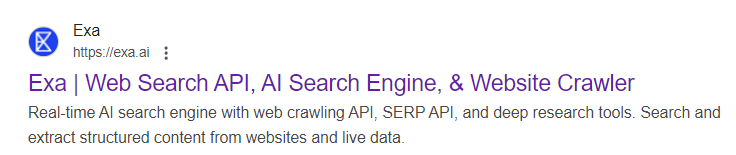
If ASI (Artificial Super Intelligence) really arrives, after SEO and GEO, the next hot topic should be AO. Can you guess what AO is?
💡 Guessing Hint
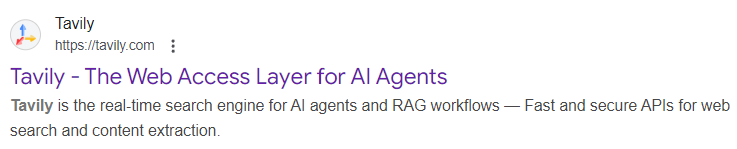
The following five websites may provide some clues:



Recommended Reading
To deeply understand GEO/AEO strategies, the following selected articles are worth your further reading:
SEO vs. GEO, AEO, LLMO: What Marketers Need to Know
Authoritative guide from Backlinko, detailed comparison of differences and application scenarios between traditional SEO and emerging AI optimization strategies
The Ultimate Guide to AEO: How to Get ChatGPT to Recommend Your Product
AEO practical guide shared by Ethan Smith (Graphite) in Lenny's Newsletter, teaching you how to get ChatGPT to recommend your product