Introduction: AI Chatbots
AI chatbots use artificial intelligence technology for natural language conversations, providing intelligent responses and automated services. Based on application scenarios, AI chatbots are mainly divided into two categories: Customer service and sales chatbots are mainly used for enterprise customer service, sales support, and automated marketing, capable of automatically answering common questions, collecting customer information, and guiding sales processes; Character chatbots focus on emotional interaction, role-playing, and entertainment, supporting character customization, emotional interaction, and long-term memory. These tools are widely used in customer service, sales conversion, content creation, mental health, and social entertainment.
In the rapidly developing AI era, AI chatbots are changing how we interact. From enterprise customer service to personal entertainment and socializing, these tools not only improve efficiency but also make interactions more intelligent and personalized. Whether business managers or individual users, everyone can benefit greatly from these tools.
The core value of AI chatbots lies in improving interaction efficiency and reducing service costs, allowing users to receive intelligent responses and personalized services anytime, anywhere. However, AI chatbots are not omnipotent. They are best suited for tasks with clear patterns and rules, while scenarios requiring deep understanding, emotional resonance, and complex decision-making still require humans. The best approach is human-AI collaboration: let AI handle common questions, repetitive tasks, and initial screening, while humans focus on complex problems, emotional support, and decision-making.
AI Chatbot Technology Overview
Modern AI chatbot technology is based on large language models (LLM) and natural language processing (NLP) technology, capable of understanding natural language input, analyzing context, and generating intelligent responses that conform to conversational context. Compared to traditional chatbots, AI chatbots have significantly improved in understanding capabilities, response quality, and personalization.
The core technological foundations of AI chatbots include Natural Language Understanding (NLU), Natural Language Generation (NLG), dialogue management, and contextual memory. Natural Language Understanding enables AI to parse user intent and entities, understanding the semantics and context of conversations. Natural Language Generation enables AI to generate natural and fluent responses, rather than just templated responses. Dialogue management technology ensures AI can maintain conversation coherence and logic, while contextual memory enables AI to remember previous conversation content and provide personalized responses.
The core advantages of AI chatbots lie in their understanding capabilities and generation capabilities. Understanding capabilities enable AI to parse users' natural language input, understand intent and context, rather than just matching keywords. Generation capabilities enable AI to create entirely new responses, rather than just copying and pasting preset templates. This combination of "understanding + generation" capabilities allows AI chatbots to complete the entire conversation process from user input to intelligent responses.
Different types of AI chatbots adopt different technical architectures. Customer service and sales chatbots usually integrate knowledge bases, CRM systems, and business logic, capable of answering business-related questions, collecting customer information, and guiding sales processes. Character chatbots focus on character personality shaping, emotional interaction, and long-term memory, capable of creating unique character experiences and personalized conversations. Despite different technical architectures, these tools share a common characteristic: they can learn conversation patterns and language rules from training data and generate responses that conform to these patterns.
As AI technology continues to develop, the capabilities of AI chatbots are also continuously improving. Factors such as increased model scale, expanded training data, and algorithm optimization are all driving improvements in AI chatbot response quality. At the same time, the development of multimodal AI technology enables AI chatbots to simultaneously understand text, images, and voice, further enriching interaction methods. These technological advances not only improve the response quality of AI chatbots but also expand their application scenarios, upgrading AI chatbots from simple Q&A tools to intelligent conversation partners.
AI Chatbot Feature Comparison
Different types of AI chatbots have significant differences in functionality, applicable scenarios, and technical characteristics. The following table compares the key features of major AI chatbot types to help you quickly understand the characteristics and applicable scenarios of each type of tool.
| Tool Type | Main Features | Use Cases | Typical Tools |
|---|---|---|---|
| Customer Service & Sales Chatbots | Automatic Q&A, customer information collection, sales guidance, CRM integration | Enterprise customer service, sales support, automated marketing | Zendesk, Intercom, ChatBot.com |
| Character Chatbots | Character customization, emotional interaction, long-term memory, role-playing | Entertainment and socializing, emotional companionship, role-playing, creative writing | Cai, Talkie, Replika |
Detailed Introduction to Various AI Chatbot Types
The following provides detailed introductions to the characteristics, features, and usage scenarios of various AI chatbots to help you choose the most suitable tool.
Customer Service & Sales Chatbots
Customer service and sales chatbots are mainly used for enterprise customer service, sales support, and automated marketing. These tools can automatically answer common questions, collect customer information, and guide sales processes, improving customer satisfaction and conversion rates. Here are recommended customer service and sales chatbot tools:
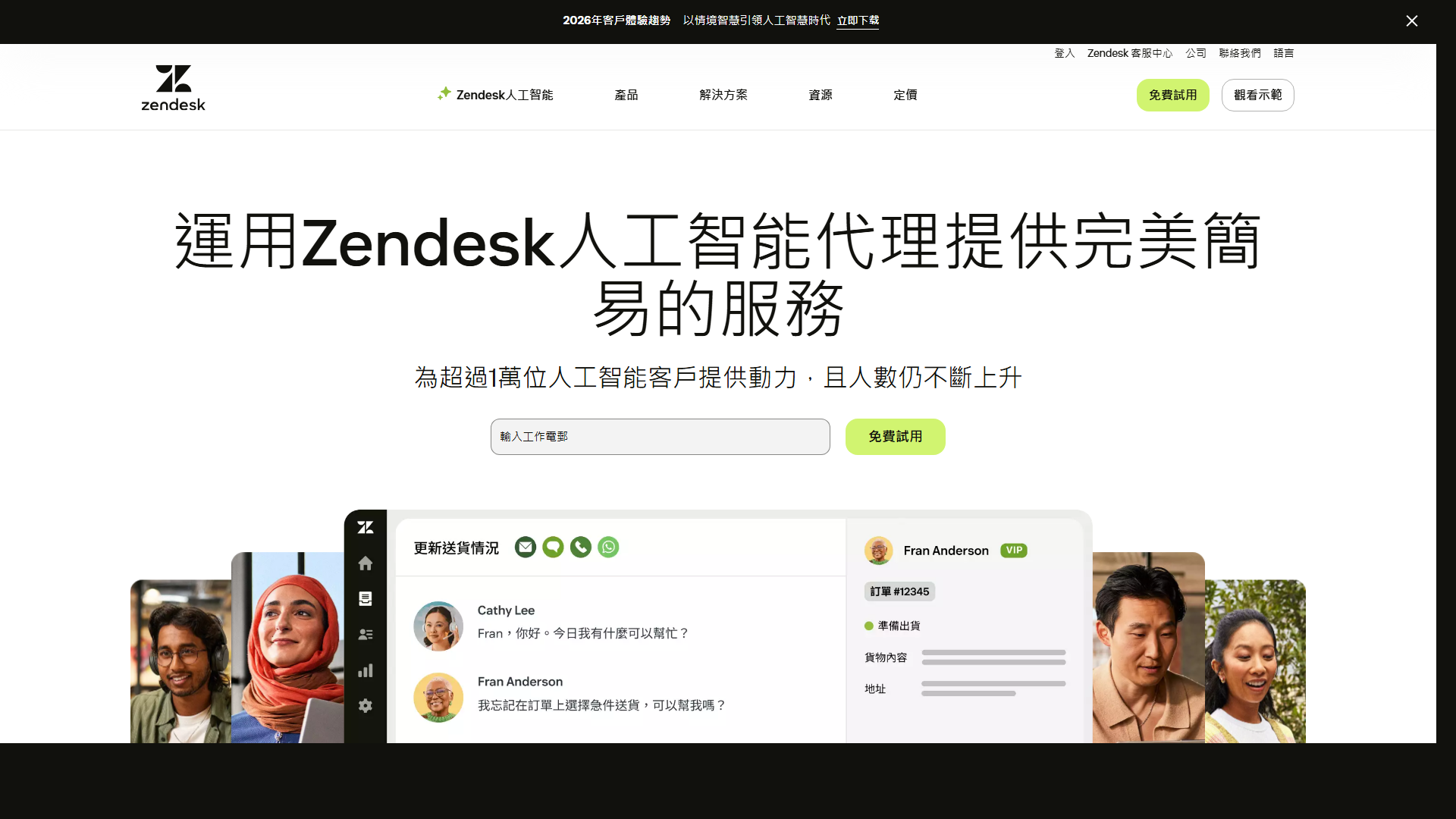
Zendesk
Zendesk is an enterprise-level customer service and support platform that provides powerful AI chatbot functionality. It supports multi-channel customer service, automated workflows, knowledge base integration, and data analysis, widely used in enterprise customer support, help desk management, and customer relationship management.
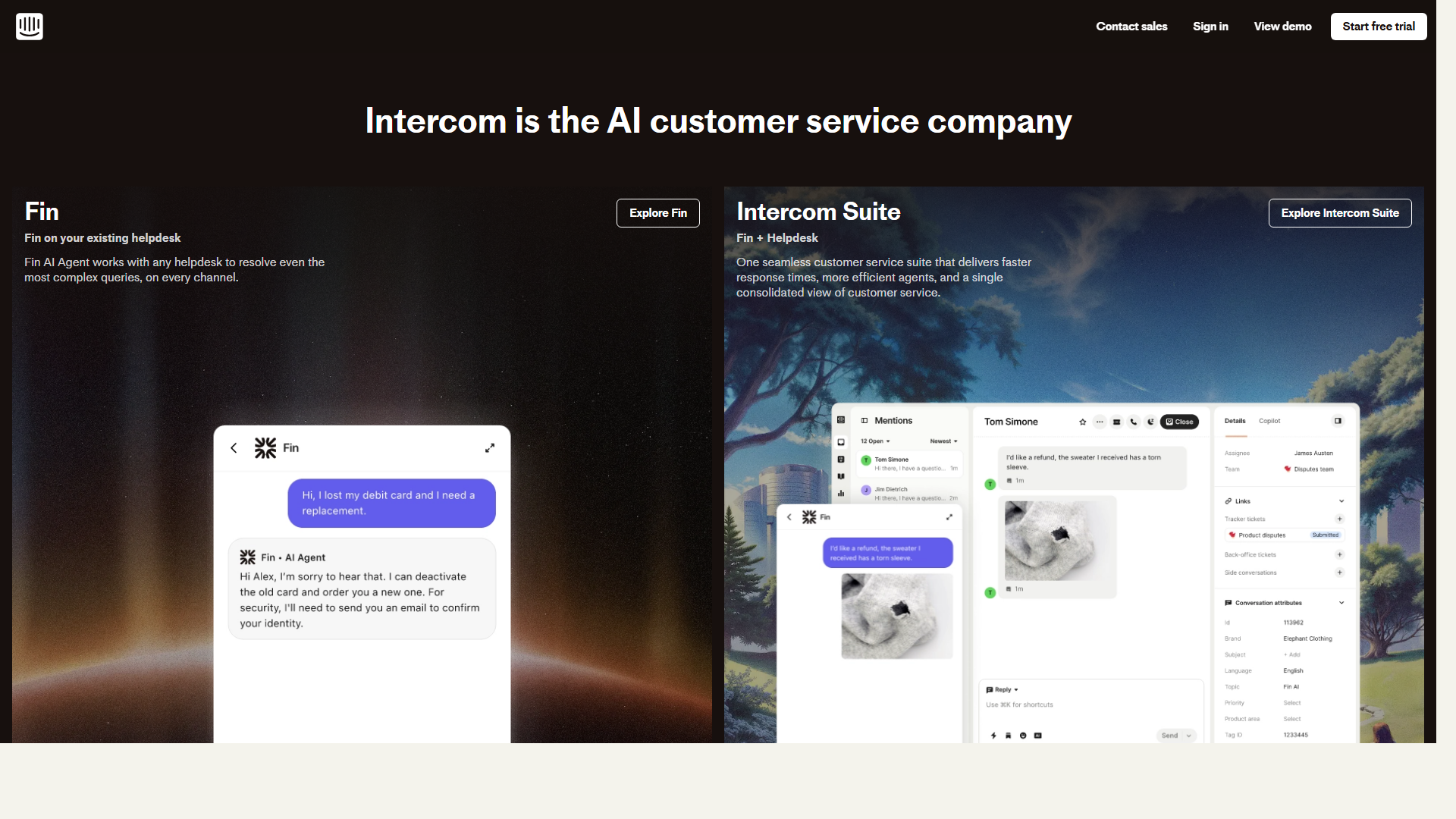
Intercom
Intercom is a leading customer messaging platform that provides intelligent chatbots, live chat, and automated marketing features. It supports personalized messaging, product tours, customer segmentation, and conversion optimization, helping businesses improve customer engagement and sales conversion rates.
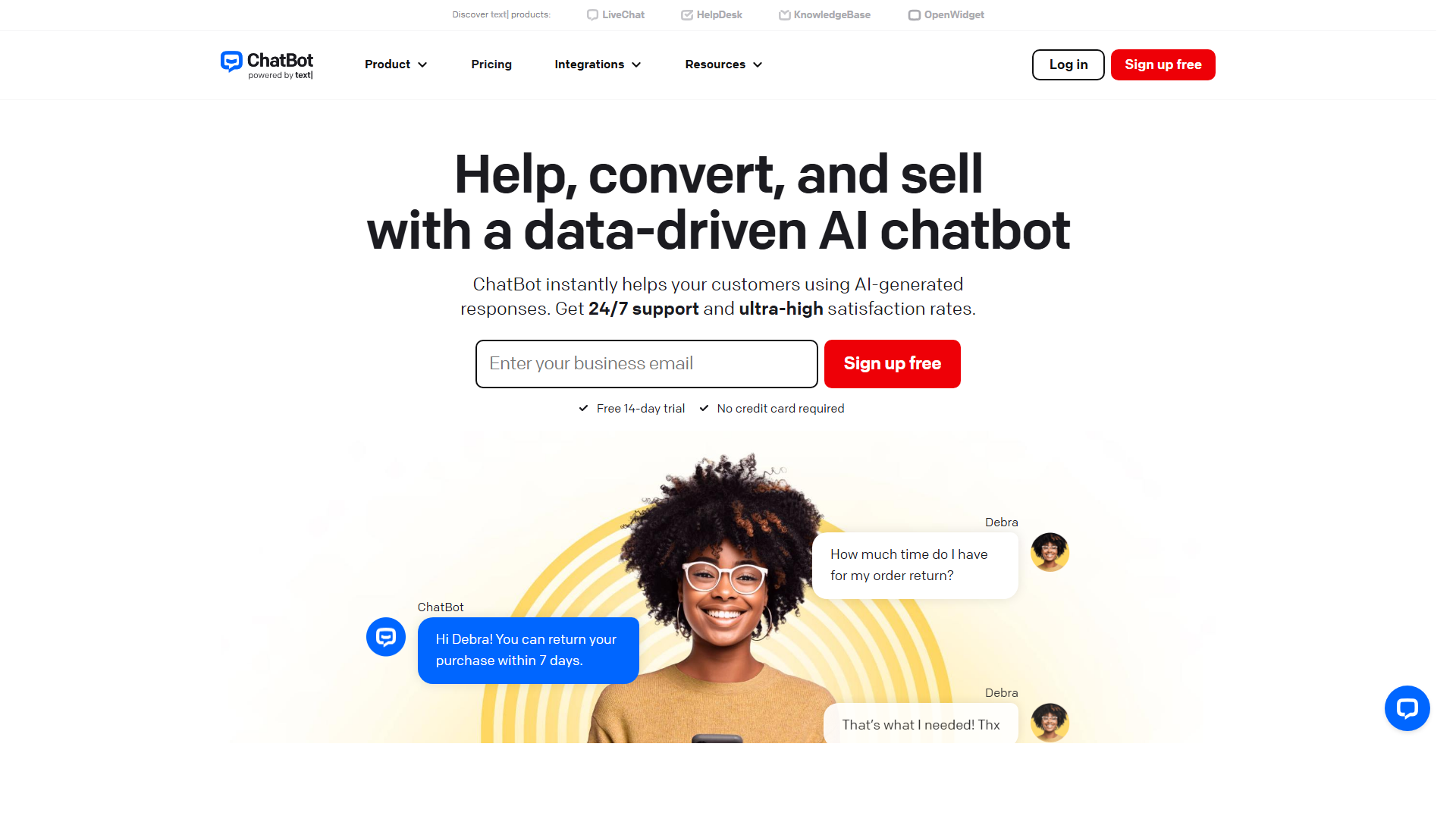
ChatBot.com
ChatBot.com is an easy-to-use AI chatbot building platform that allows you to create intelligent chatbots without programming. It supports multi-channel deployment, natural language processing, conversation analytics, and integration with various third-party services, suitable for small and medium-sized businesses and startups.
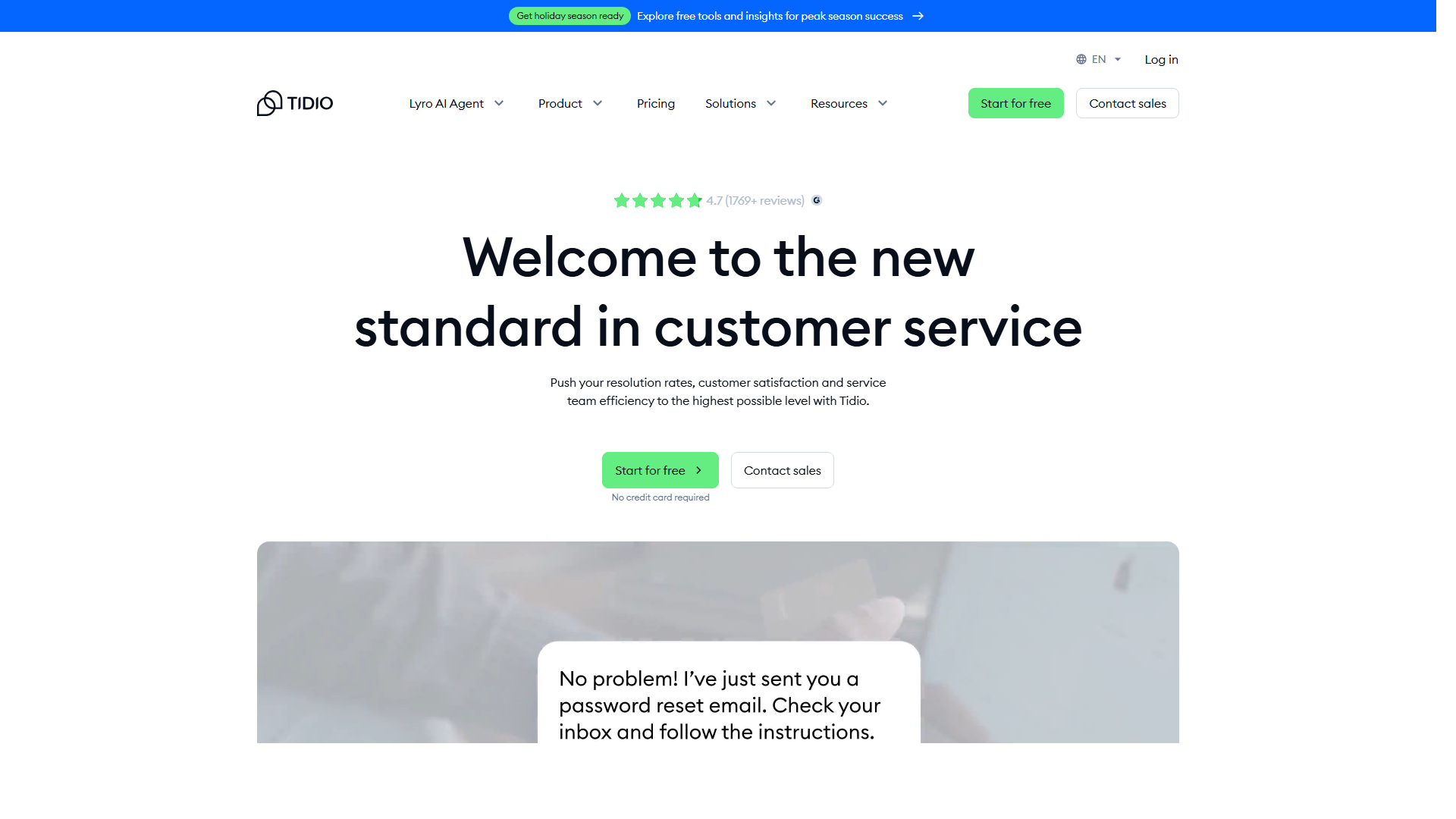
Tidio
Tidio is a chatbot platform for e-commerce and online businesses, providing AI chatbots, live chat, and automated marketing features. It supports integration with Shopify, WooCommerce, and other e-commerce platforms, providing cart recovery, product recommendations, and order tracking features.
Chatbase
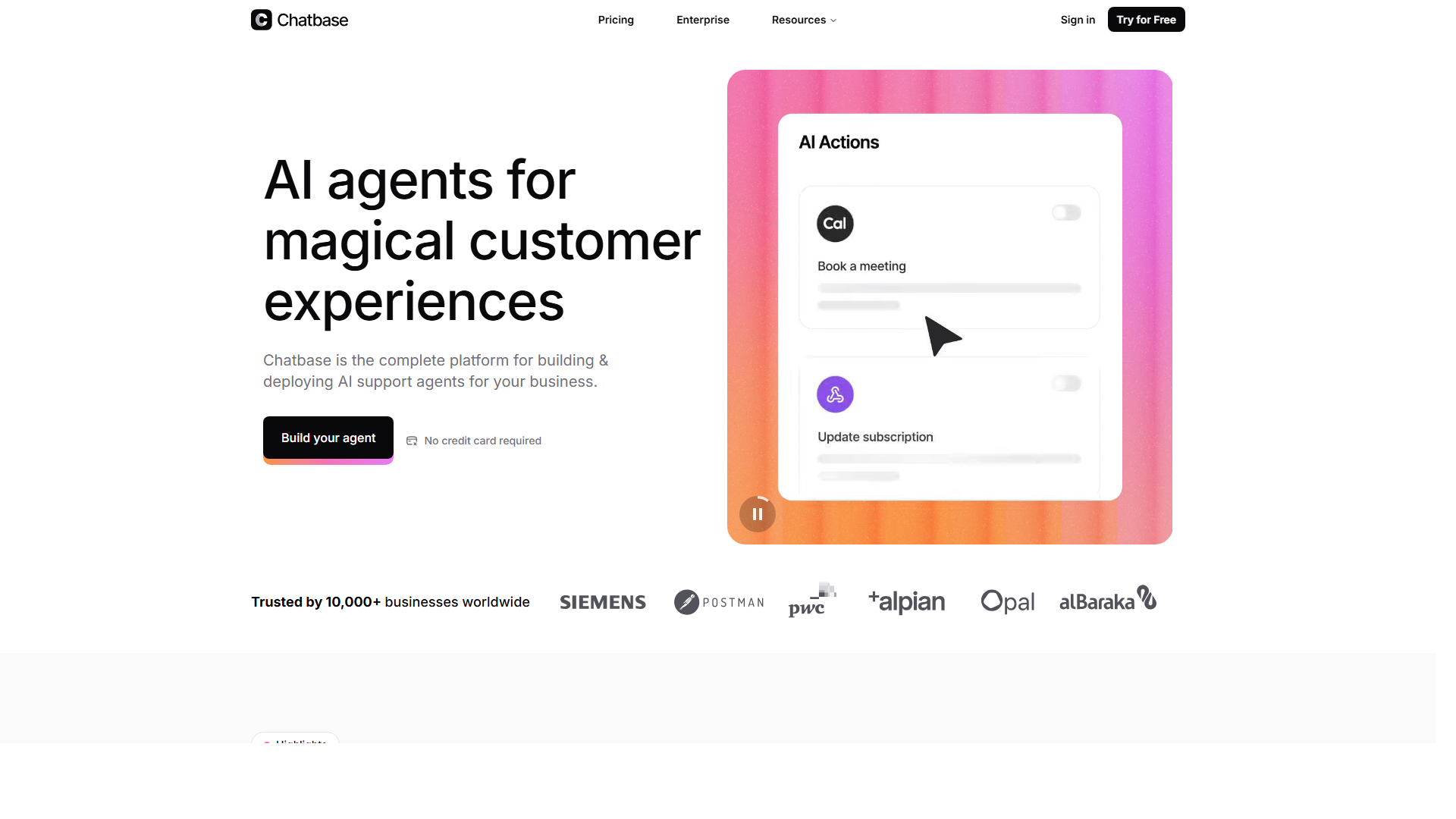
Chatbase is a GPT-based AI chatbot building platform that allows you to create intelligent chatbots based on your documents, website, or knowledge base. It supports multiple data source imports, custom training, multilingual support, and API integration, suitable for industries and businesses that require professional knowledge.
ManyChat
ManyChat is a chatbot platform focused on Facebook Messenger and Instagram, providing visual flow building, automated marketing, and customer management features. It supports broadcast messages, tag management, A/B testing, and conversion tracking, suitable for social media marketing and customer interaction.
Drift
Drift is a conversational marketing and sales platform for B2B enterprises, providing AI chatbots, live chat, and sales automation features. It supports lead identification, sales lead scoring, meeting scheduling, and CRM integration, helping businesses improve sales conversion rates and customer engagement.


Chatfuel
Chatfuel is a Facebook Messenger chatbot building platform that provides drag-and-drop flow building, AI conversations, and automated marketing features. It supports broadcast messages, user segmentation, A/B testing, and e-commerce integration, suitable for social media marketing and customer service.
Botpress
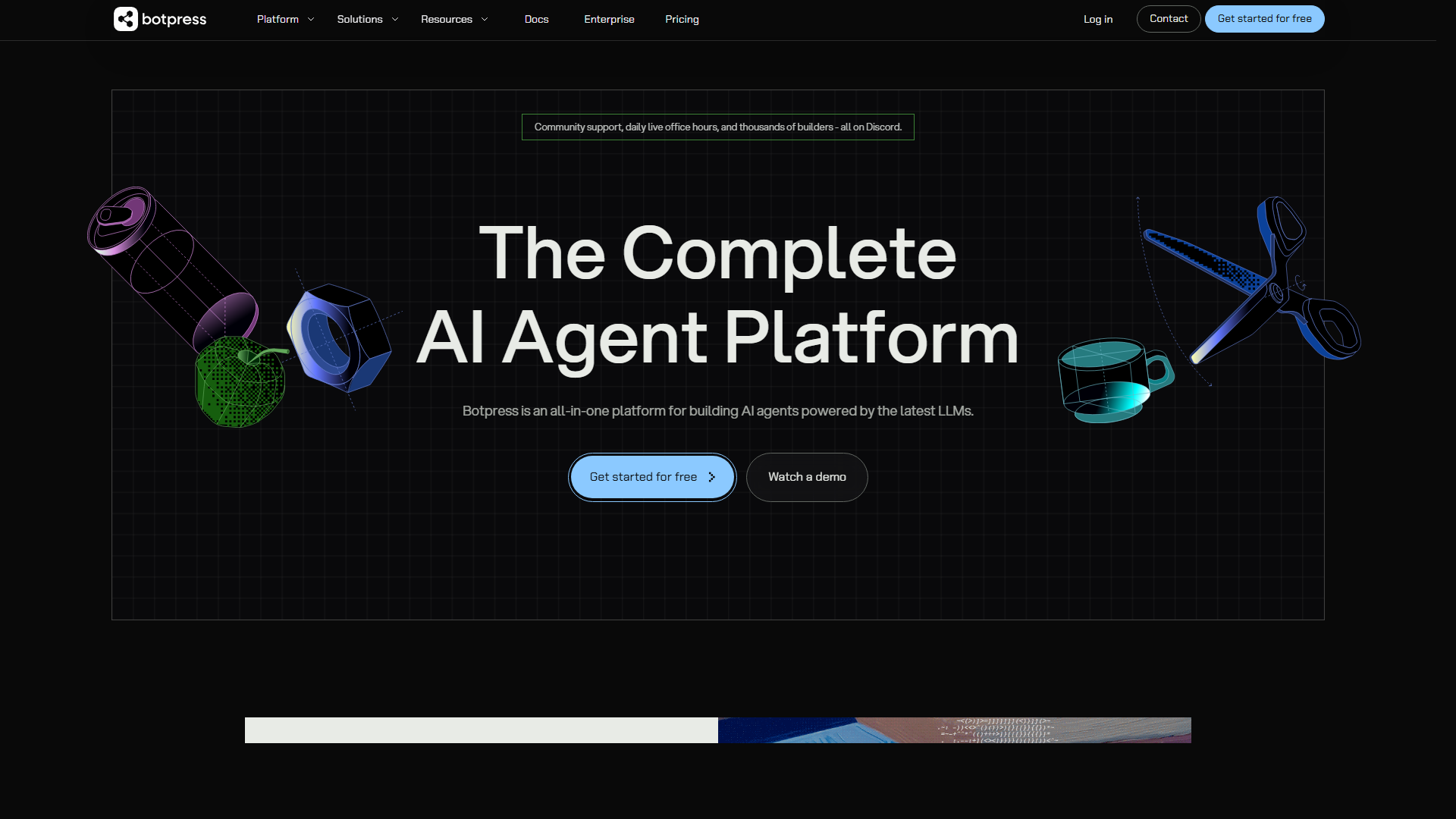
Botpress is an open-source chatbot building platform that provides visual flow design, natural language understanding, and multi-channel deployment features. It supports custom development, API integration, conversation analytics, and enterprise-level security, suitable for enterprises that require high customization.
Character Chatbots
Character chatbots focus on emotional interaction, role-playing, and entertainment. These tools can create unique AI characters, support character customization, emotional interaction, and long-term memory, providing users with personalized conversation experiences. Here are recommended character chatbot tools:
Cai (Character.AI)
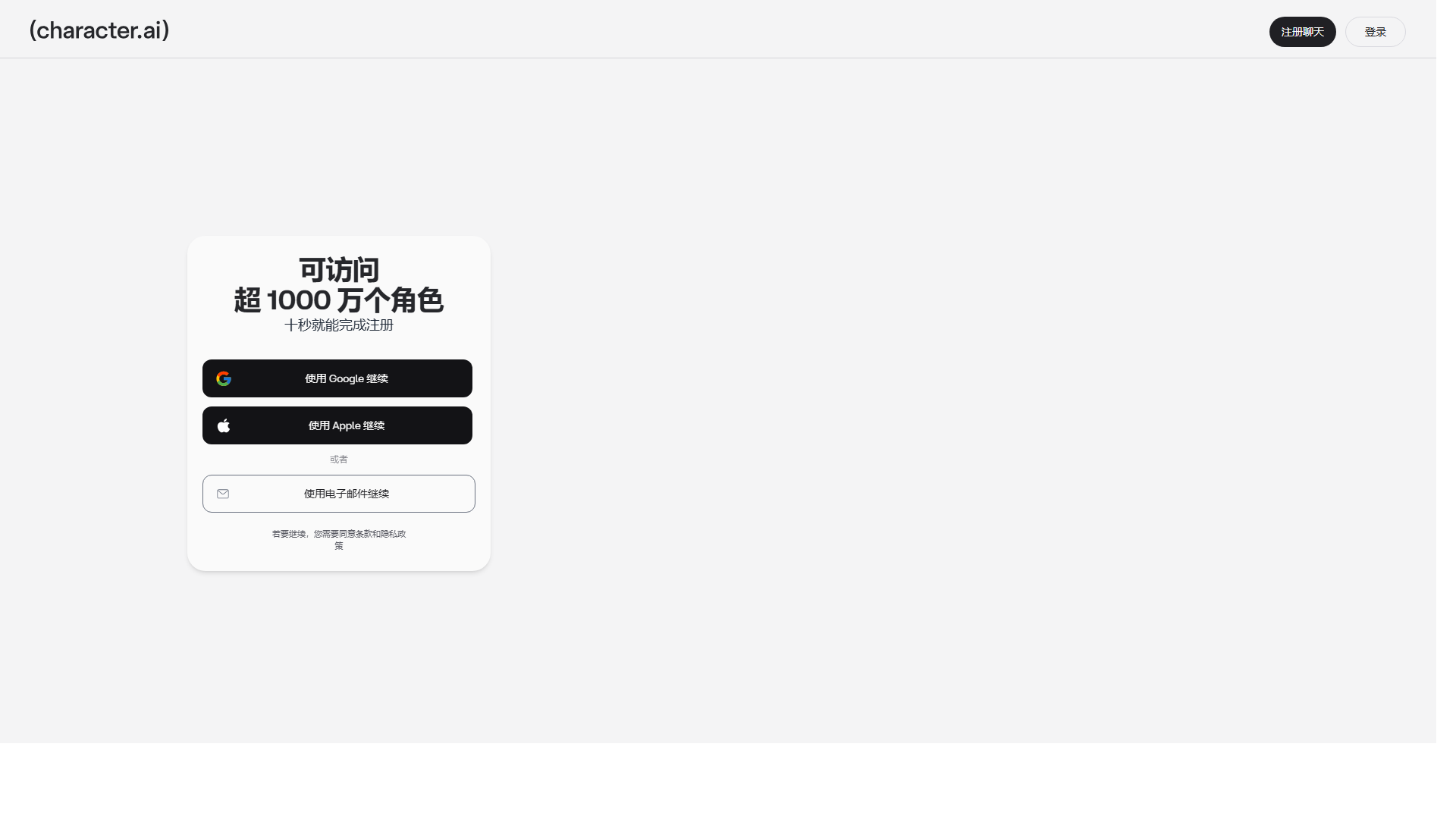
Cai (Character.AI) is a popular character chatbot platform where users can create and chat with various AI characters. It supports character customization, multi-turn conversations, emotional interaction, and community sharing, widely used in role-playing, creative writing, and entertainment.
Talkie
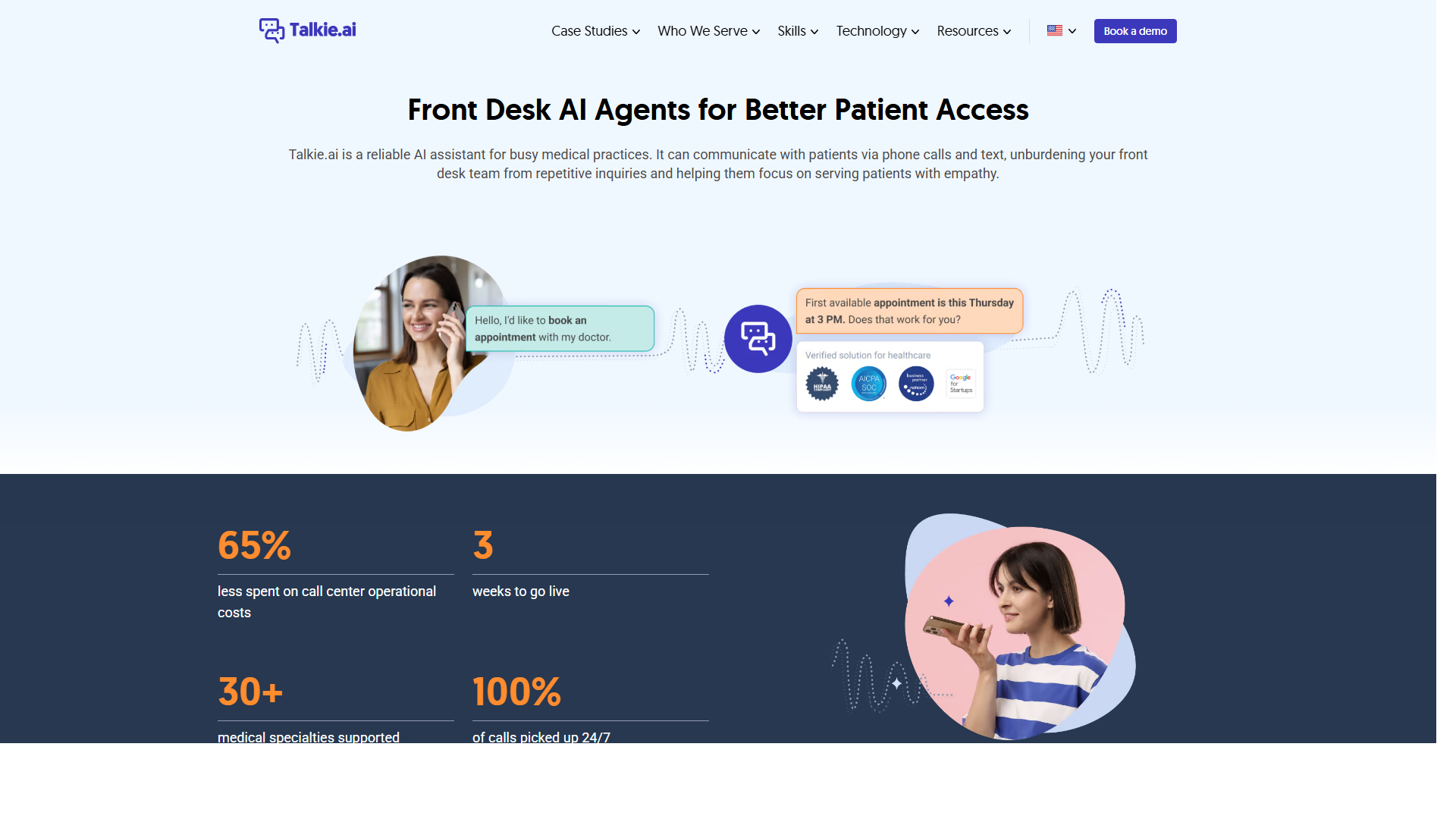
Talkie is an AI character chatbot platform that provides voice conversations, character customization, and emotional interaction features. It supports various character types, personalized conversations, and long-term memory, providing users with immersive conversation experiences.
Janitor
Janitor is an AI character chatbot platform focused on adult content and role-playing. It supports character customization, NSFW content, multi-turn conversations, and community sharing, suitable for adult users.


Yodayo
Yodayo is an AI character chat and image generation platform where users can create AI characters and have conversations. It supports character customization, image generation, multi-turn conversations, and community sharing, combining chat and image generation features.
Replika
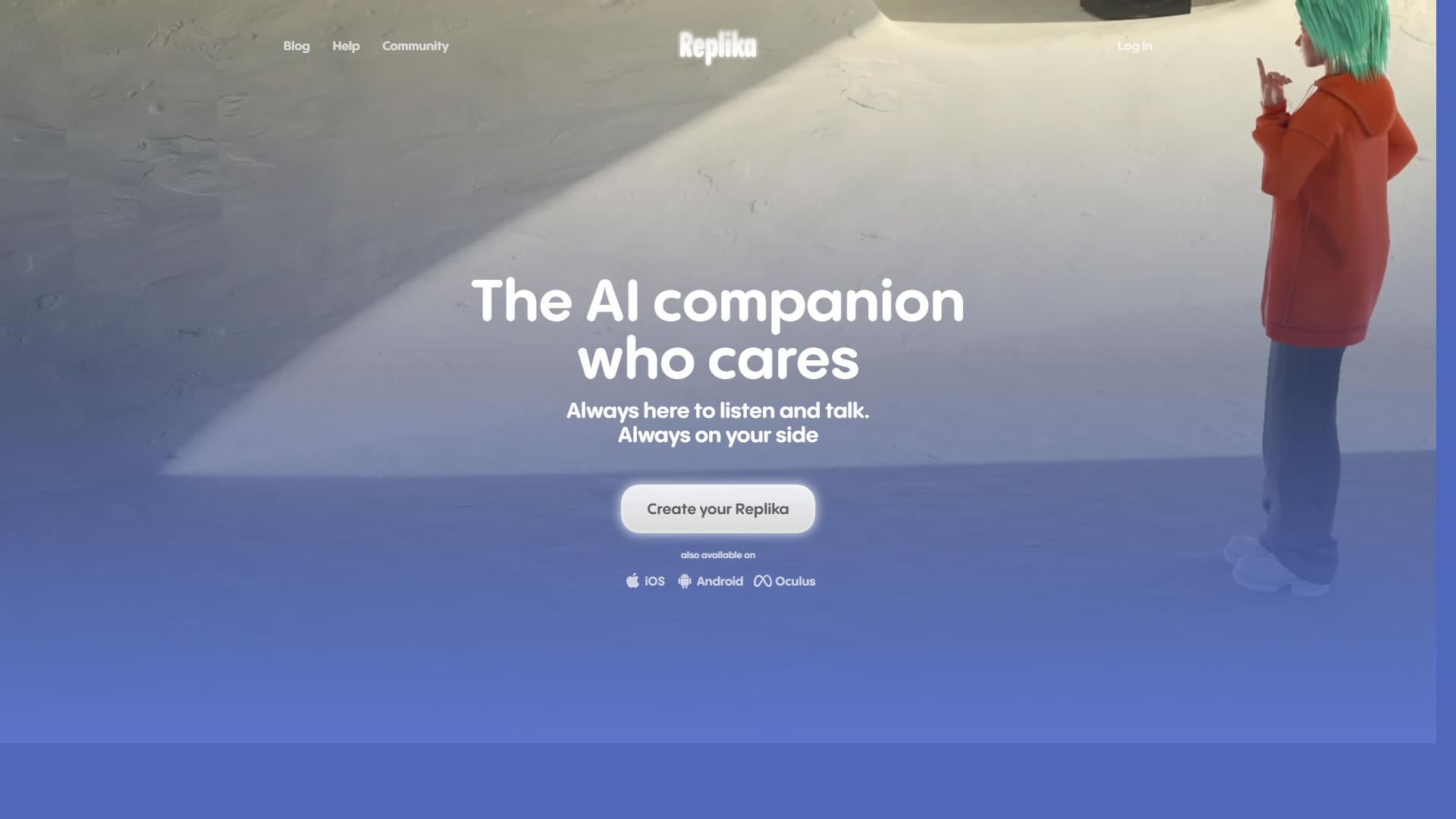
Replika is an AI companion chatbot focused on emotional support and mental health. It supports personalized conversations, emotional interaction, memory features, and mental health tools, helping users alleviate loneliness, provide psychological support, and emotional companionship.

RenderNet
RenderNet is an AI character image generation and chat platform where users can create AI character images and have conversations. It supports character customization, image generation, multi-turn conversations, and community sharing, combining image generation and chat features.
Mochis AI
Mochis AI is an AI character chatbot platform that provides character customization, multi-turn conversations, and emotional interaction features. It supports various character types, personalized conversations, and community sharing, providing users with rich role-playing experiences.


SpicyChat AI
SpicyChat AI is an AI character chatbot platform focused on adult content and role-playing. It supports character customization, NSFW content, multi-turn conversations, and community sharing, suitable for adult users.
Crushon AI
Crushon AI is an AI character chatbot platform that provides character customization, multi-turn conversations, and emotional interaction features. It supports various character types, personalized conversations, and community sharing, providing users with immersive role-playing experiences.
Candy AI
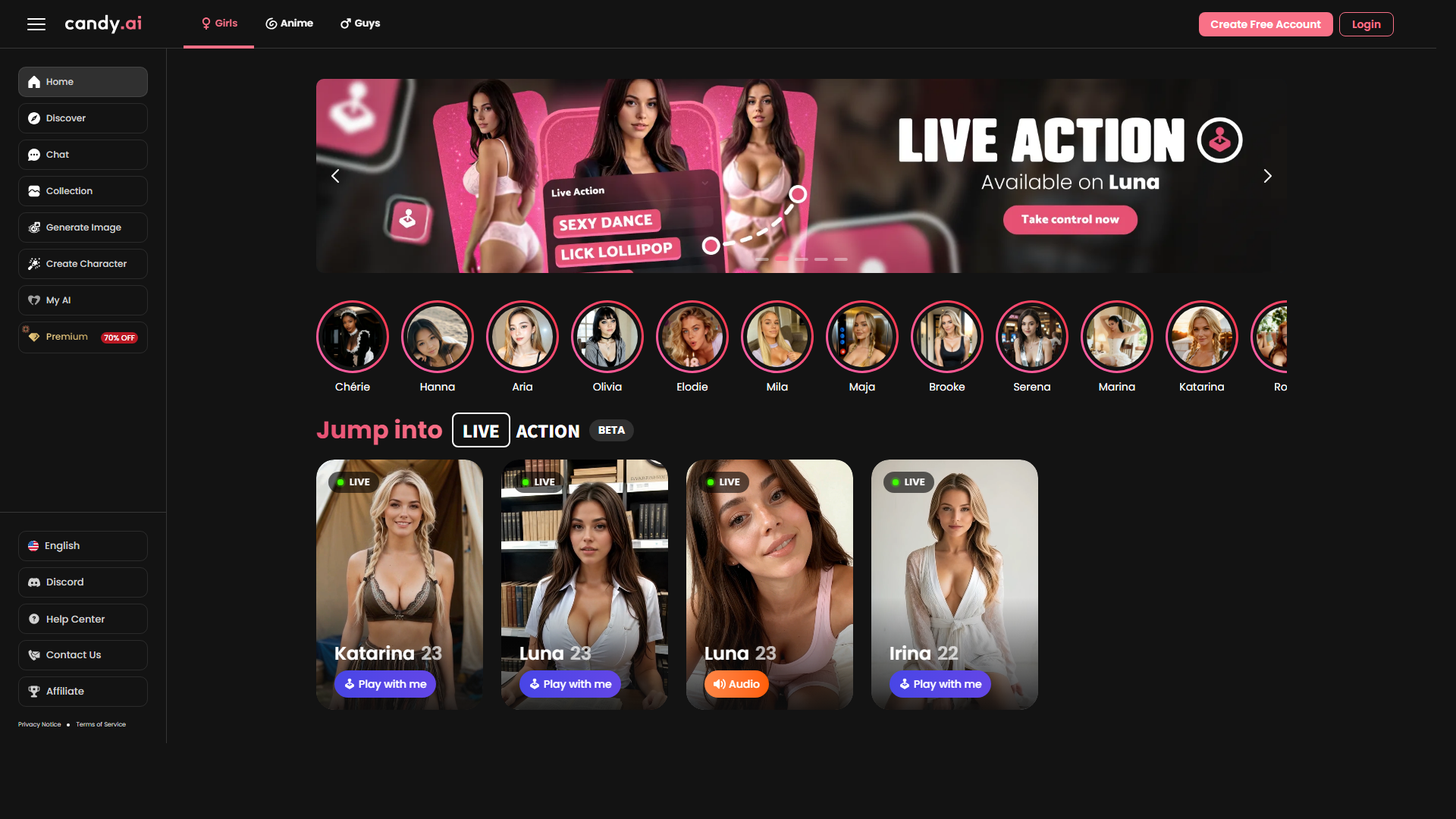
Candy AI is an AI character chatbot platform focused on adult content and role-playing. It supports character customization, NSFW content, multi-turn conversations, and community sharing, suitable for adult users.
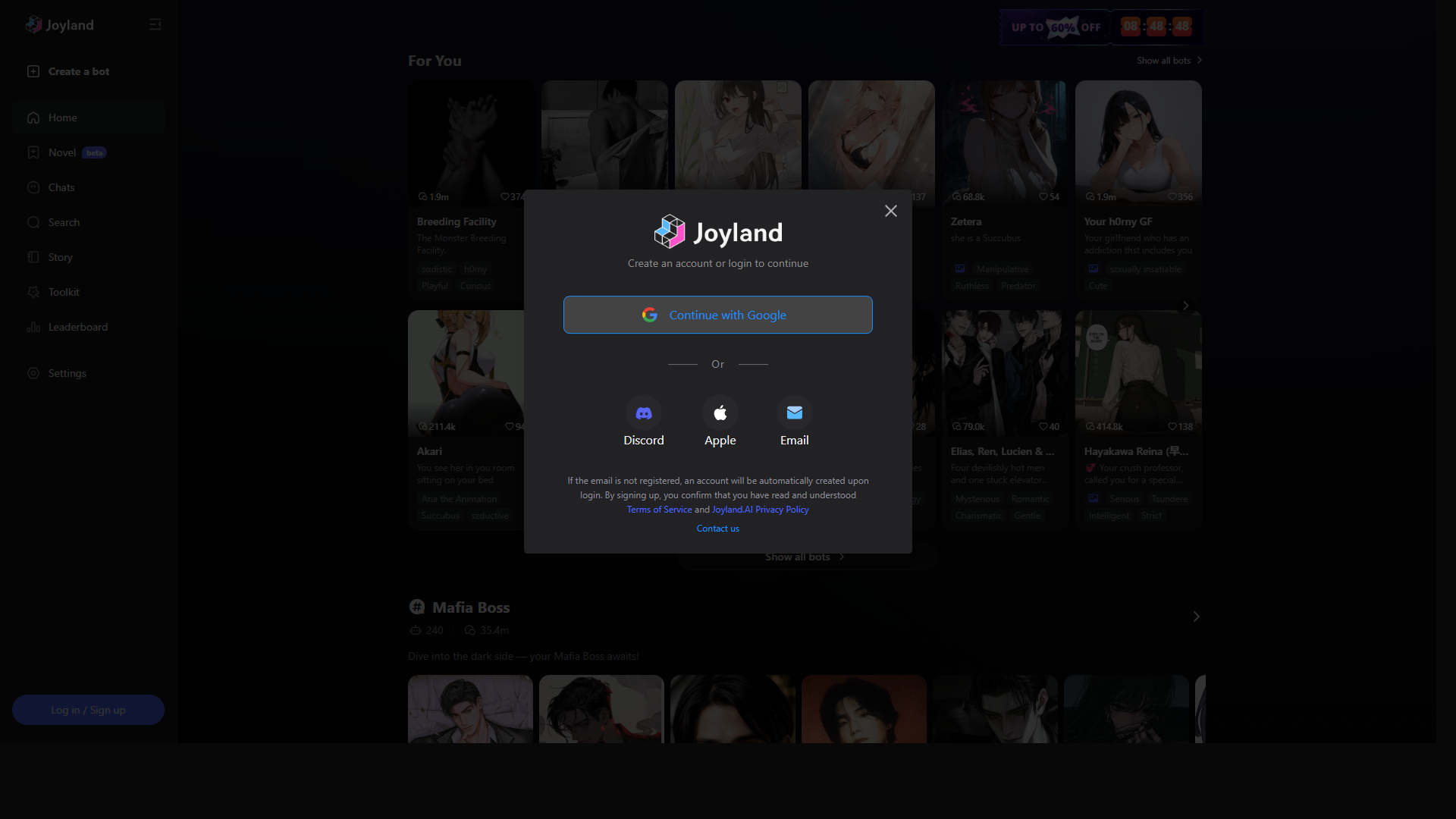
JoyLand AI
JoyLand AI is an AI character chatbot platform that provides character customization, multi-turn conversations, and emotional interaction features. It supports various character types, personalized conversations, and community sharing, providing users with rich role-playing experiences.
Chub AI
Chub AI is an AI character chatbot platform focused on character customization and community sharing. It supports character creation, multi-turn conversations, emotional interaction, and community sharing, providing users with rich role-playing experiences.
Application Scenarios of AI Chatbots
The application scenarios of AI chatbots are very broad, covering almost all fields that require interaction and service. From enterprise customer service to personal entertainment and socializing, AI chatbots can provide effective assistance.
1. Enterprise Customer Service: AI chatbots can provide 24/7 customer service, automatically answering common questions and handling simple requests, greatly improving customer service efficiency and satisfaction. For enterprises, this not only reduces labor costs but also provides consistent service quality.
2. Sales Support and Conversion: AI chatbots can identify potential customers, collect customer information, and guide sales processes, helping enterprises improve sales conversion rates. Through personalized recommendations and guidance, AI chatbots can convert visitors into customers.
3. Automated Marketing: AI chatbots can automatically send marketing messages, perform customer segmentation, and execute marketing campaigns, helping enterprises improve marketing efficiency and effectiveness. Through personalized messages and precise timing, AI chatbots can improve marketing conversion rates.
4. Entertainment and Socializing: Character chatbots provide users with personalized emotional interaction and entertainment experiences, supporting role-playing, creative writing, and social interaction. These tools can meet users' entertainment needs and emotional companionship needs.
5. Mental Health Support: AI chatbots can provide mental health support, emotional companionship, and psychological counseling, helping users relieve stress and improve mood. Although they cannot replace professional psychological counseling, they can provide initial support and companionship.
6. Education and Training: AI chatbots can provide personalized learning tutoring, answer questions, and impart knowledge, helping students improve learning efficiency and effectiveness. Through interactive learning methods, AI chatbots can stimulate students' interest in learning.
How to Get Started with AI Chatbots
Getting started with AI chatbots is not complicated, but it requires some preparation and learning. The following steps can help you quickly get started with AI chatbots.
1. Clarify Usage Purpose: First, determine your purpose for using AI chatbots, whether it's enterprise customer service, sales support, or personal entertainment. Different purposes require different types of tools.
2. Choose the Right Tool: Based on your usage purpose and needs, choose the appropriate AI chatbot tool. If it's enterprise customer service, choose professional customer service chatbots; if it's personal entertainment, choose character chatbots.
3. Configure and Customize: Follow the tool's official documentation to configure and customize the chatbot. For customer service chatbots, you need to set up knowledge bases, workflows, and integrations; for character chatbots, you need to create characters, set personalities, and memories.
4. Test and Optimize: Before formal use, conduct thorough testing and optimization. Test the chatbot's response quality, understanding capabilities, and user experience, and optimize and improve based on test results.
5. Deploy and Monitor: Deploy the chatbot to the target platform and continuously monitor its performance. Collect user feedback, analyze conversation data, and continuously optimize and improve the chatbot's performance.
6. Continuous Improvement: AI chatbots require continuous improvement and optimization. Based on user feedback and usage data, continuously update knowledge bases, optimize response quality, and improve user experience.
Future Trends of AI Chatbots
AI chatbots are developing rapidly, and more innovative features and improvements will emerge in the future. The following are some trends worth paying attention to.
1. Stronger Understanding Capabilities: Future AI chatbots will be able to better understand complex conversation contexts, multi-turn conversations, and implicit intents, providing more accurate responses.
2. Multimodal Interaction: AI chatbots will be able to simultaneously understand text, images, voice, and video, providing richer interaction methods.
3. Personalized Customization: AI chatbots will be able to learn user preferences and behaviors, providing more personalized responses and services.
4. Emotional Intelligence: AI chatbots will be able to identify and understand users' emotional states, providing more considerate responses and support.
5. Cross-platform Integration: AI chatbots will be able to seamlessly integrate into various platforms and applications, providing a unified interaction experience.
6. Better Security and Privacy Protection: As AI chatbots are widely used in enterprise environments, security and privacy protection will become important concerns.
Conclusion
The recommended AI chatbots excel in their respective fields, providing powerful tool support for enterprise customer service and user entertainment and socializing. Customer service and sales chatbots help enterprises improve customer satisfaction and sales conversion rates, while character chatbots provide users with personalized emotional interaction and entertainment experiences.
Choosing the right AI chatbot can be decided based on specific needs, budget, and usage scenarios. Whether it's enterprise customer service or personal entertainment and socializing, you can find the most suitable tool. It's recommended to try free versions first to understand the tool's features and characteristics, then make a final choice based on actual experience. Regardless of which tool you choose, remember that AI chatbots are auxiliary tools, and complex problems and important decisions still require human handling.