Introduction
This comprehensive guide explores the best AI image generators for 2026, featuring Nano Banana, ChatGPT 4o Image Generator, Midjourney, Reve, Flux, Leonardo AI, Ideogram 3.0, Adobe Firefly, and Recraft. We cover core concepts, technical fundamentals, detailed tool reviews with features and applications, comparison table, practical use cases across creative fields, and step-by-step selection guidance to help you choose the right AI image generation solution for your creative projects.
AI Image Generators: Types & How They Work
Text-to-Image Generation
Text-to-image is the most popular AI image generation method. Users input natural language descriptions, and AI models understand text semantics to generate corresponding images. This approach enables creative exploration from scratch, allowing free imagination without existing image constraints. Modern tools like Nano Banana, ChatGPT 4o, and Midjourney excel in text-to-image generation, supporting detailed prompts and style specifications.
Image-to-Image Generation
Image-to-image generation transforms existing images through AI enhancement. Users upload reference images and modify content, style, or details through text descriptions or parameter adjustments. This approach suits image optimization, style transfer, and content refinement. Tools like Reve and Adobe Firefly specialize in image-to-image workflows, offering precise control over transformations while preserving image quality.
AI image generators leverage advanced machine learning technologies, particularly Diffusion Models, to create high-quality images. These tools enhance creative efficiency by lowering technical barriers, enabling users without professional design experience to create professional-quality visuals. For a complete overview of the AI image tools ecosystem, check our comprehensive guide.
Best AI Image Generators 2026
Here are the most recommended AI image generators for 2026, covering artistic creation, commercial design, game development, product design, and more, helping you choose the most suitable image generation solution based on your needs.
1. Nano Banana: Fast AI Image Generation
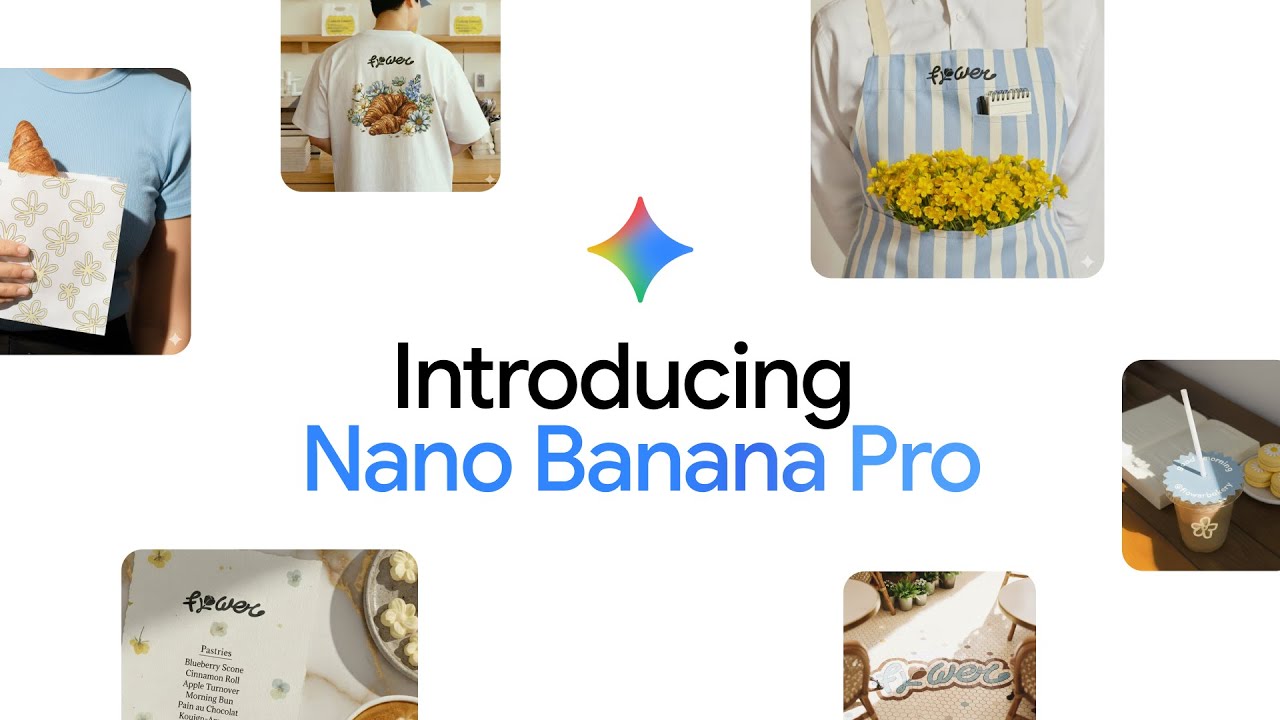
Nano Banana represents a streamlined approach to AI image generation, prioritizing speed and accessibility above all else. The platform's minimalist interface eliminates complex workflows, allowing users to transform text prompts into high-quality images within seconds. Nano Banana excels in rapid ideation and quick visual prototyping, making it ideal for content creators who need fast turnaround times. Whether generating social media graphics, marketing visuals, or design concepts, the tool delivers consistent results without requiring technical expertise. Its lightweight architecture ensures smooth performance across devices, from mobile phones to desktop computers. Nano Banana offers multiple generation modes including text-to-image, image variations, and style transfers, providing flexibility for different creative needs. The platform supports high-resolution output up to 1024x1024 pixels and offers batch generation capabilities for efficiency. While it may lack some advanced features found in premium tools, Nano Banana's focus on simplicity and speed makes it perfect for everyday creative tasks, brainstorming sessions, and rapid content production workflows where quality meets efficiency in perfect balance. The tool is particularly well-suited for beginners and casual users who want professional results without steep learning curves.
2. ChatGPT 4o Image Generator: Multimodal AI Creation
ChatGPT 4o Image Generator represents OpenAI's latest advancement in multimodal AI, seamlessly integrating text and image generation capabilities. This powerful tool allows users to create images directly through conversational interfaces, combining the natural language processing prowess of GPT models with advanced image generation technology. The system excels in understanding complex prompts and generating contextually relevant visuals, making it ideal for users who prefer conversational workflows over specialized design tools.
What sets ChatGPT 4o apart is its ability to maintain context across multiple interactions, allowing users to iteratively refine their image requests through natural dialogue. Whether you're generating marketing materials, conceptual illustrations, or creative visualizations, the tool provides consistent, high-quality results that align with your verbal descriptions. Its integration with the broader ChatGPT ecosystem makes it particularly valuable for users already familiar with OpenAI's conversational AI products.
3. Midjourney: Artistic Image Generation
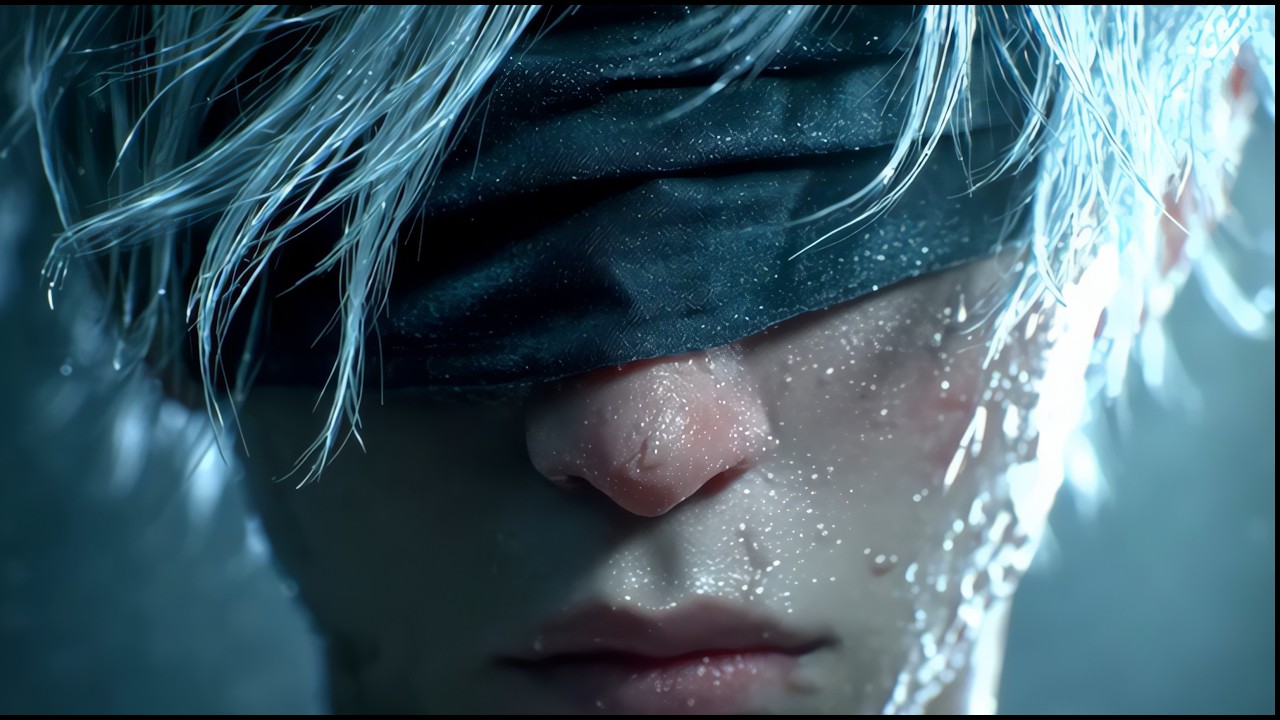
Midjourney is one of the earliest AI art tools to gain widespread recognition, quickly capturing the creator community with its highly artistic output style. Its unique Discord-based interaction method, while seemingly retro, has unexpectedly formed an active UGC communication ecosystem. The recent V6 version's breakthroughs in light and shadow layers and detail processing have further solidified its benchmark position in concept art design. Midjourney excels in artistic style and image quality, particularly suitable for concept design and artistic creation scenarios requiring high visual quality, making it the preferred experimental field for "visualizing imagination." Whether for game concept design, film storyboards, or artistic creation, Midjourney provides high-quality image output, and its unique community ecosystem offers creators rich learning resources and communication opportunities.
5. Flux: Industrial Design Collaboration
Flux is a tool launched by Black Forest Labs, focusing on the concept of "industrial-grade design collaboration." Unlike most AI tools oriented toward entertainment, Flux deeply integrates CAD workflows, supporting parametric modeling and engineering drawing generation. For product designers, its material texture rendering and synchronized three-view generation features are redefining the efficiency ceiling from concept to prototype. Flux is particularly suitable for product design and industrial design scenarios, providing powerful tool support for projects requiring precise control. Whether for product prototype design, engineering drawing generation, or material texture rendering, Flux delivers professional-grade output, helping designers quickly move from concept to implementation and significantly improving design efficiency.
4. Reve: AI-Powered Image Enhancement
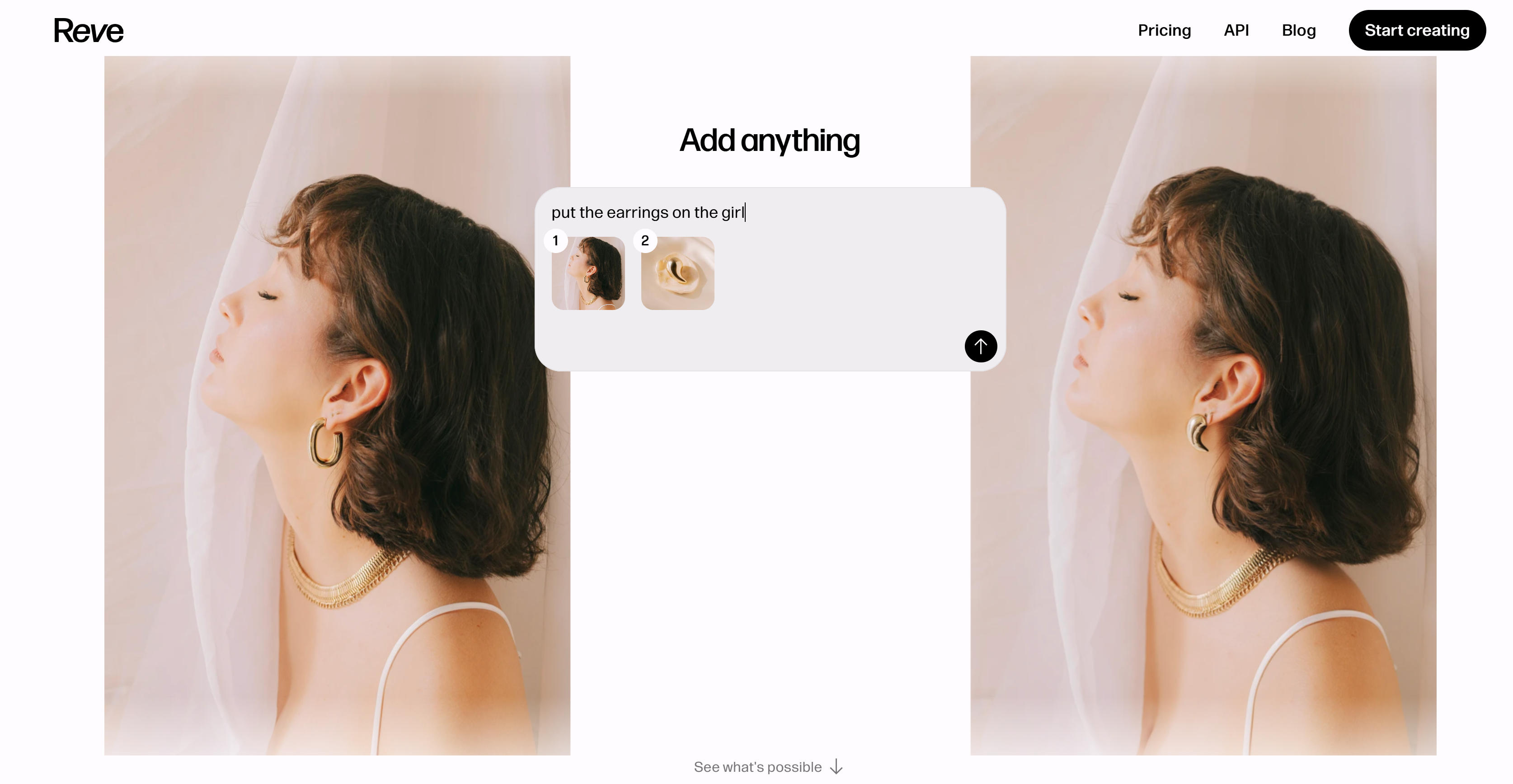
Reve is an innovative AI-powered image enhancement platform that specializes in transforming ordinary photos into professional-quality visuals. The tool uses advanced machine learning algorithms to intelligently enhance image quality, adjust lighting, improve colors, and add artistic elements while preserving the original intent of the photograph. Reve stands out for its ability to handle complex image transformations that go beyond simple filters, offering intelligent enhancement that understands context and composition.
What makes Reve particularly valuable is its focus on practical image improvement for real-world applications. Whether you're enhancing product photos for e-commerce, improving real estate listing images, or preparing marketing materials, Reve provides consistent, high-quality results that maintain the authenticity of the original image while significantly elevating its visual appeal. The platform is particularly well-suited for businesses and professionals who need reliable image enhancement without extensive manual editing skills.
6. Leonardo AI: Gaming & Film Production
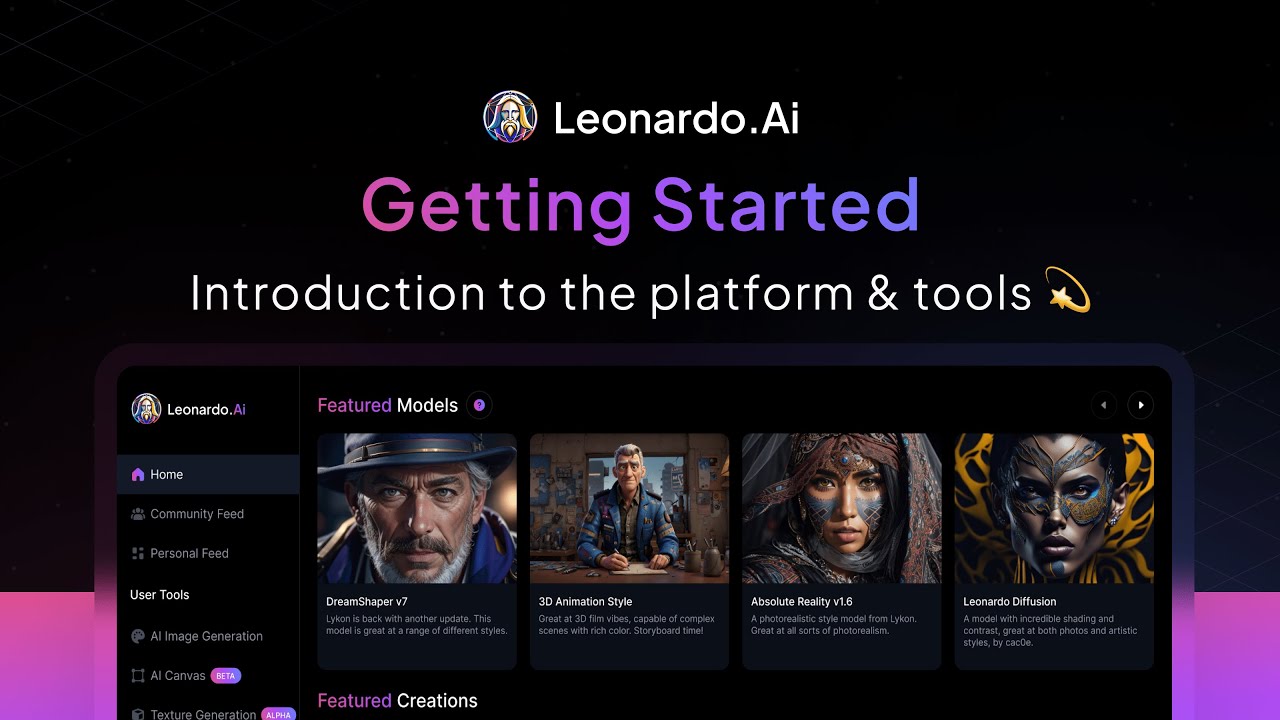
Leonardo AI specializes in gaming and film industries, emerging rapidly through deep integration of asset libraries and generators. Users can directly call upon artistic assets from classic IPs like "The Lord of the Rings" and "Cyberpunk 2077" for re-creation. Its character pose control and material channel separation features have compressed virtual production concept design cycles by over 60%. Leonardo AI is particularly suitable for game development and film production scenarios, with its rich asset library and character pose control features significantly improving concept design efficiency, providing strong support for projects requiring rapid iteration and style consistency. Whether for game character design, scene construction, or film concept art creation, Leonardo AI delivers professional-grade output, helping creators quickly realize creative ideas.
7. Ideogram: Text Generation Expert
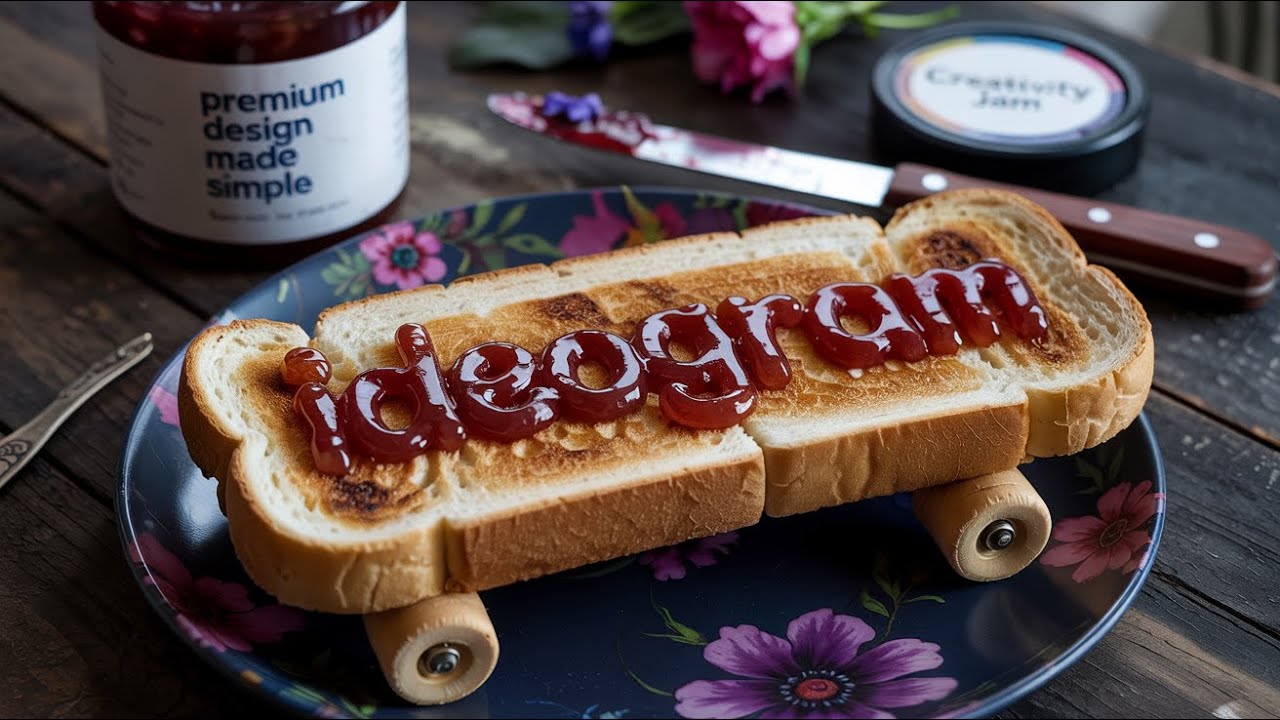
Ideogram is an AI tool created by former Google Brain members, solving the industry's "text generation" pain point. Whether it's three-dimensional letters on neon signs or natural fusion of ink calligraphy with backgrounds, Ideogram demonstrates remarkable strength in balancing text element readability and artistry, reshaping workflow paradigms in poster design. Ideogram has unique advantages in text generation, particularly suitable for design projects requiring text elements, such as posters, advertisements, and brand design. Its balance between text readability and artistry makes it a powerful assistant for designers. Whether for marketing poster design, brand visual design, or advertising creative production, Ideogram provides high-quality image output, helping designers quickly realize creative designs containing text elements.
8. Adobe Firefly: Copyright-Safe Certification
Firefly is Adobe's "compliance sword," with its generative fill feature directly built into Photoshop appearing conservative but actually hiding powerful capabilities. Leveraging Adobe Stock's massive library of licensed materials for training, every pixel generated by Firefly comes with copyright-safe certification. Combined with neural filter libraries, it's becoming a "safety airbag" for professional designers to avoid legal risks. Firefly's greatest advantage lies in its copyright-safe certification, particularly suitable for professional designers requiring commercial use. Its deep integration with Photoshop also makes it a natural choice in designer workflows. Whether for commercial design, brand visuals, or professional production, Firefly provides copyright-safe image output, helping designers avoid legal risks and focus on creative realization.
9. Recraft: Vector Graphics Generation
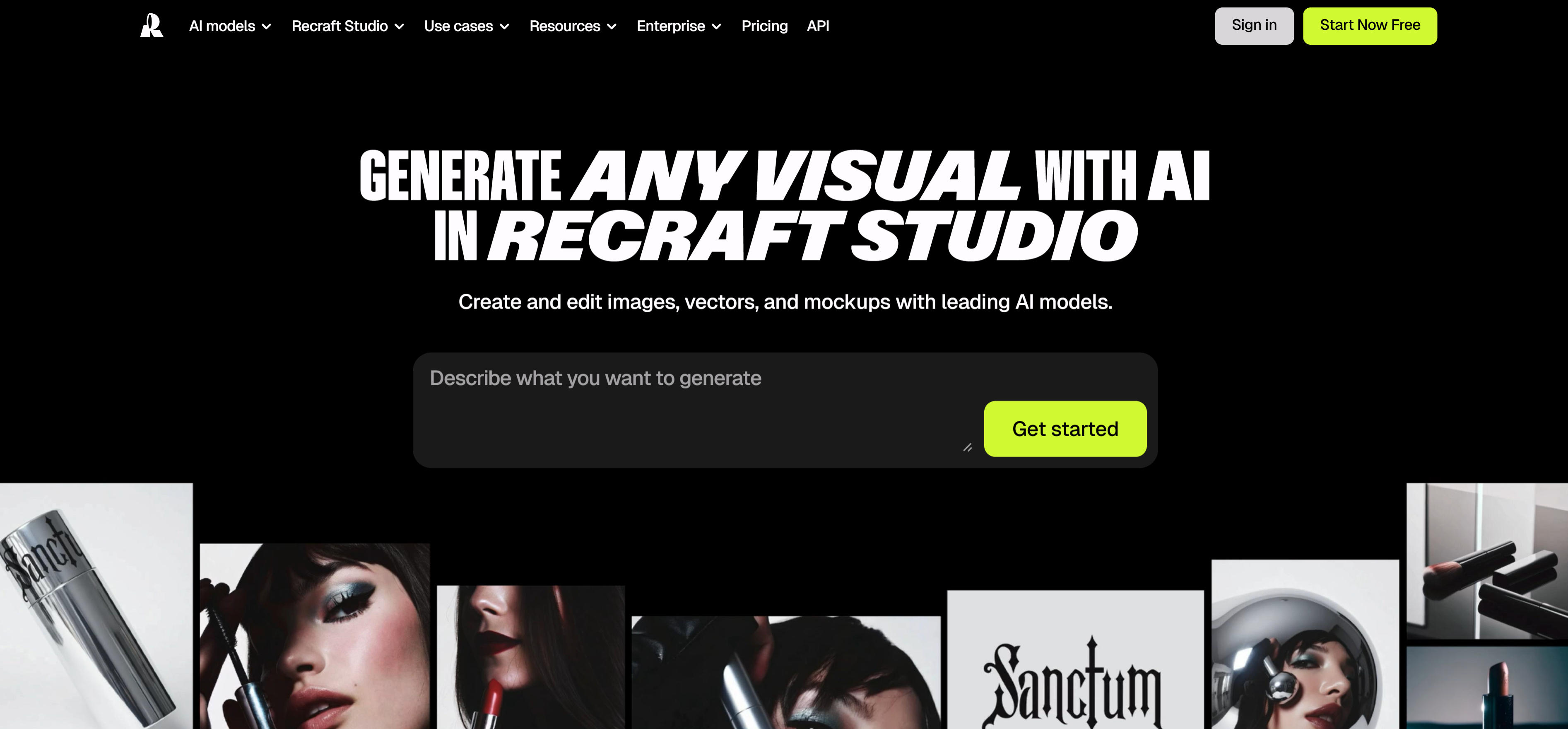
Recraft demonstrates dimensional reduction-level strength in vector graphics generation. Not only can it output infinitely scalable SVG formats, but its stylization system precisely captures the evolution logic from Memphis Design to Material Design. For enterprise users requiring brand visual consistency, this tool is equivalent to hiring an entire graphic design team. Recraft has unique advantages in vector graphics generation, particularly suitable for enterprise users requiring brand visual consistency. Its SVG format output and stylization system can meet professional design needs. Whether for brand design, enterprise visual consistency, or graphic design, Recraft provides high-quality vector graphics output, helping users quickly achieve brand visual consistency and enhance brand recognition.
AI Image Generator Comparison
Here's a comparison of mainstream AI image generators to help you quickly understand each tool's characteristics and suitable scenarios:
Use Cases: From Concept Design to Commercial Production
AI image generators play important roles in multiple fields, helping users quickly generate high-quality image content.
1. Concept Design
AI image generators excel in concept design across creative fields. In game development, designers use Midjourney and Leonardo AI to rapidly generate character concepts, environment art, and prop designs, exploring diverse visual styles without traditional sketching. This accelerates ideation, allowing iteration through dozens of concepts in hours. For film production, these tools create storyboard visuals, character designs, and set concepts. In product design, industrial designers leverage Flux for design variations and photorealistic renderings. The technology democratizes creativity by removing technical barriers, enabling rapid prototyping and visualization.
2. Art Creation
AI image generators revolutionize artistic creation by providing unlimited possibilities. Artists use Midjourney and other tools to explore diverse styles from classical painting to contemporary digital art, generating inspiration pieces that spark new directions. The technology serves as a collaborative partner, not replacement for human creativity, offering tools to experiment with compositions, colors, and concepts. Professional artists leverage AI-generated images as foundations for refinement, adding personal touches, emotional depth, and technical mastery in a hybrid creative approach.
3. Marketing Material Creation
Marketing teams leverage AI image generators to create compelling visual content at unprecedented speed. Ideogram and ChatGPT 4o excel in generating marketing materials from social media posts to professional banner ads. The technology enables rapid A/B testing of visual concepts, optimizing campaigns based on performance data. For branding consistency, AI tools generate on-brand visuals maintaining corporate identity across channels. Content creators produce custom illustrations, infographics, and promotional materials without expensive design resources, significantly reducing production costs and time.
4. Game Development
Game developers embrace AI image generators as essential creative tools. Leonardo AI specializes in gaming with extensive asset libraries featuring popular IP characters. Character designers generate concept art for protagonists, NPCs, and creatures, iterating through hundreds of design variations. Environment artists create atmospheric scenes, architectural elements, and world-building assets. The technology accelerates pre-production, allowing teams to create visual bibles and mood boards in weeks rather than months, streamlining the entire development pipeline.
5. Product Prototype Design
Industrial and product designers use AI image generators to accelerate prototyping and visualization. Flux excels in product design with CAD integration and parametric modeling, generating professional engineering drawings and multi-angle renderings showcasing product details. Designers create photorealistic visualizations for client presentations, investor pitches, and internal reviews, reducing time from concept to approval. The technology enables rapid iteration through design variations, material explorations, and lighting studies without expensive physical prototyping, making professional visualization accessible to smaller firms and individual creators.
How to Choose the Right AI Image Generator
When choosing an AI image generator, consider image quality, style requirements, feature needs, budget and usability, and platform support to select the most suitable tool.
1. Evaluate Image Quality Requirements
Assess image quality needs for your projects. Choose Midjourney for artistic work, Flux for industrial design, Firefly for commercial use. Test 2-3 tools to compare quality before deciding.
2. Consider Style Requirements
Choose tools that match your artistic style needs. Midjourney for art, Flux for products, Ideogram for text, Recraft for vectors. Pick based on your primary creative direction.
3. Evaluate Feature Requirements
Check for required features: batch processing, APIs, fine control, image-to-image mode. Choose API tools for batches, parameter tools for control, Stable Diffusion for technical needs, Firefly for commercial use.
4. Consider Budget and Ease of Use
Select pricing that matches your budget and usage. Free tools like Stable Diffusion for technical work, subscriptions like Midjourney for art, pay-per-use like DALL-E for occasional needs. Start with free tools first.
5. Evaluate Platform Support and Commercial Licensing
Check platform compatibility and commercial licensing. Most support web, some offer mobile/API. For commercial use, verify copyright ownership. Firefly offers copyright-safe certification. Always read terms of service.
Conclusion
AI image generators revolutionize image creation, offering unprecedented creative possibilities and efficiency improvements. From fast Nano Banana to multimodal ChatGPT 4o, from artistic Midjourney to enhancement-focused Reve, from industrial Flux to gaming-specialized Leonardo AI, these tools cover needs from concept design to commercial applications.
Choose the right tool based on your scenario: Nano Banana for quick generation, ChatGPT 4o for conversational workflows, Midjourney for artistic creation, Reve for image enhancement, Flux for product design, Firefly for commercial applications. For comprehensive AI image tools ecosystem information, see our complete guide.
AI tools serve as collaborative partners, not replacements for human creativity. They handle technical work, allowing focus on artistic expression and innovation in the image creation industry.