Indie Hackers Guide: From Concept to Success
Key takeaways
Definitions, core concepts, notable makers, and a practical path from side project to sustainable indie revenue—with on-site Marketing/Insights links. It also covers selection criteria, comparisons, and practical tips for implementation. The sections below compare options, use cases, and practical selection criteria.
- Autonomy, small teams, bootstrapping, rapid iteration, diversified revenue.
- MVP + build in public; includes a seven-week cold-start rhythm table and links to SEO, directories, and GEO.
- Case snapshot (Pieter as anchor) + TrustMRR / Indie Hackers + nomad hub context (Bangkok, Chiang Mai, Lisbon).
- Practice guide: pricing, LTD, time management; FAQ answers are plain text without internal links.
Use Cursor / OpenClaw to plan indie hacker strategy
npx skills add kostja94/marketing-skills --skill indie-hacker-strategyWhat Are Indie Hackers
Definition and Characteristics
Indie Hackers (also called Indie Developers or Bootstrapped Founders) are entrepreneurs who build products independently, without external funding, typically operating as solo founders or small teams. Unlike traditional startups, indie hackers prioritize autonomy, sustainability, and rapid iteration over rapid growth and external investment.
Core characteristics include: autonomy (full control over product direction), small teams (typically 1-3 people, often solo), bootstrapping (self-funded, no external capital), rapid iteration (MVP approach, quick market validation), diversified revenue (multiple income sources, not dependent on a single product). Unlike freelancers, indie hackers own their products rather than providing services to clients; unlike startups, they don't pursue rapid growth and external investment, focusing instead on sustainability and profitability.
Why Indie Hackers Are Gaining Attention
The indie hacker community has become increasingly active due to: remote work adoption removing geographic constraints; AI and no-code tools lowering development barriers; desire for autonomy and sustainable income driving people toward financial freedom; success story inspiration from indie hackers like Pieter Levels motivating more people to try indie development.
The indie hacker model suits those seeking work-life balance, creativity, autonomy, and willing to take calculated risks. As AI tools and automation advance, barriers to indie development continue decreasing, opening opportunities for more people.
Core Concepts and Principles
Success as an indie hacker requires understanding core concepts and principles. These guide product development direction and shape working methods and mindset. Understanding these fundamentals is essential for becoming a successful indie hacker.
Mindset
Bootstrapping is a core indie hacker principle. Unlike seeking external funding, bootstrapping means using your own funds or product revenue to support business growth. This approach maintains full control, avoids investor reporting, and allows development at your own pace. While growth may be slower, this method is more sustainable and avoids equity dilution.
MVP (Minimum Viable Product) is essential for rapid market validation. An MVP contains core features only, launches quickly, collects user feedback, then iterates based on feedback. This avoids over-engineering and enables fast market testing with lower failure costs. Rapid iteration complements MVP through continuous small improvements.
"Build in Public" is important indie hacker culture. This means publicly sharing progress, revenue data, failures, building community trust and influence. This approach gains community support, attracts early users, and builds brand awareness. Many successful indie hackers gained significant attention through Build in Public.
"Scratch your own itch" is a key principle for choosing product direction. If you face a problem, others likely do too. Starting from your own needs helps understand user pain points and build truly valuable products. Pieter Levels created Nomad List because he needed to find cities suitable for digital nomads.
Business Models
Indie hacker business models vary: SaaS (subscription) is most common, providing stable monthly or annual revenue like Nomad List and Remote OK; one-time purchase/digital products suit tool products with permanent licenses; ad revenue/ affiliate marketing works for content products with traffic; paid communities/memberships offer exclusive content or services; diversified revenue mix is the best strategy, avoiding dependence on a single income source.
Product Types
Indie hacker product types include: Micro-SaaS targets specific niche markets, like Tweet Hunter and SiteGPT; AI tools leverage AI to solve specific problems, like Photo AI, Interior AI, AutoShorts.ai; digital products include templates, plugins, themes for designers and developers; content products include blogs, courses, tools that build influence then monetize.
Growth strategies
SEO: start with “why it matters” and keyword workflow—see why you need SEO and keyword research. Social: X threads for cold-start reach (X marketing); when discussions move to subreddits, pair with Reddit marketing. Email & community: newsletter / Discord for retention and betas (email marketing). Listing pulses: Product Hunt, directories, and tool aggregators for spikes (directory submission sites). AI answers: if you care whether ChatGPT cites your brand, see GEO; multilingual rollout in localization strategy.
Sustainability
"Ramen Profitability" means product revenue covers basic living expenses, the first major milestone. Reaching this enables full-time indie development without other income sources. Profitability means stable revenue with slower growth; growth state means rapid expansion but may not yet be profitable. Indie hackers need balance between both.
Failure and learning are essential for indie hacker growth. Most indie hackers' first products fail, which is normal. What matters is learning from failure, quickly adjusting direction, and continuing. Pieter Levels tried multiple products before creating Nomad List, eventually finding success.
Cold start & distribution: a seven-week rhythm
Small teams do not need every channel at once: pick two or three paths that work, and put paid validation, content, and community on the calendar. The table below is a common rhythm—swap channels for your product type.
Read alongside why SEO still matters, keyword research, and directories & listings; for AI answer visibility see GEO.
Seven-week cold start (illustrative)
| Weeks | Focus | On-site reads |
|---|---|---|
| 1–2 | Build audience: share progress on a fixed cadence (e.g. LinkedIn / X), resist feature bloat | X (Twitter) marketing |
| 3–4 | Beta and tight feedback loops | Email marketing |
| 5 | Waitlist warmup and launch assets | Lifetime deals (LTD) |
| 6 | Launch pulse: Product Hunt / Reddit / Indie Hackers—pick a main stage | Reddit marketing · Directories |
| 7 | Review metrics and plan the next content / SEO cycle | Pricing strategy |
Notable indie developer cases
We keep Pieter Levels as the methodology anchor; other makers are a compact overview so this page stays actionable versus long biographies.
Pieter Levels (Netherlands)
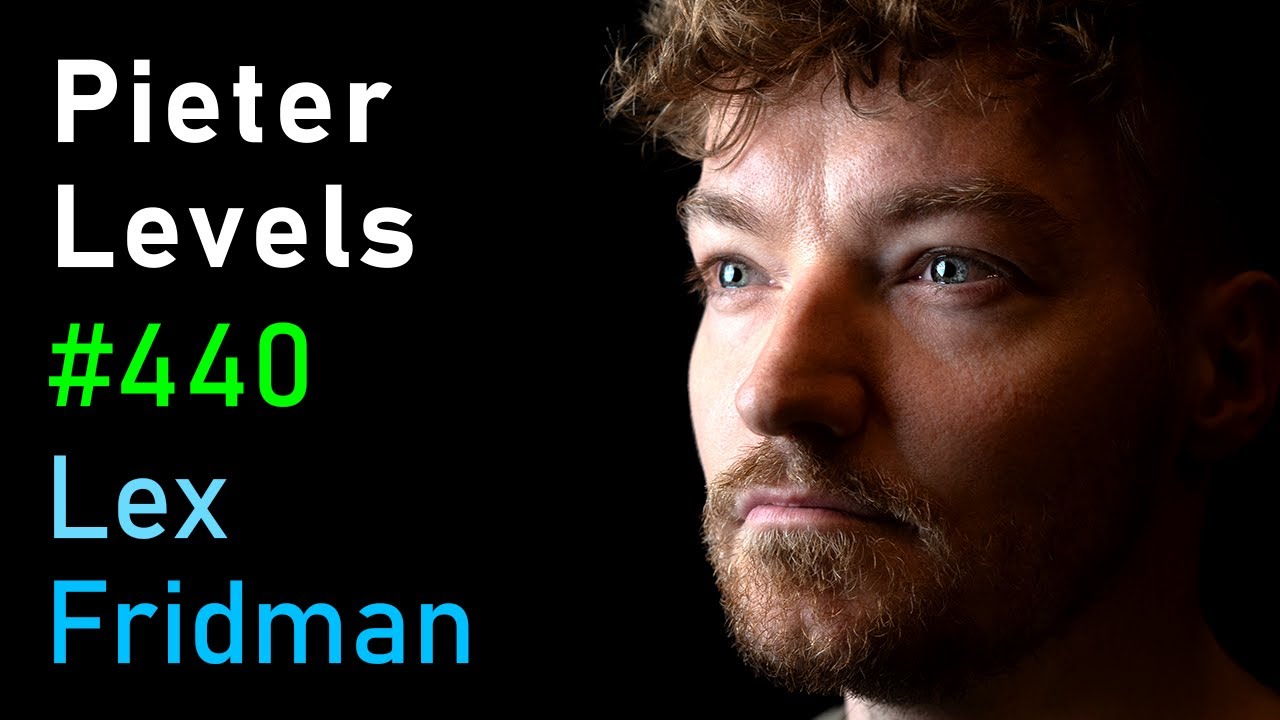
Pieter Levels (@levelsio) is the archetype of the modern indie hacker: multiple products, high automation, build in public, and a portfolio of bets. Products include Nomad List, Remote OK, Photo AI, and Interior AI.
More makers (snapshot)
Newer makers often pair AI micro-tools + build in public: Eric Smith (@ericsmith1302, AutoShorts.ai), Bhanu Teja P (@pbteja1998, SiteGPT / Feather), Marc Lou (@marc_louvion, TrustMRR and others), Arib (@aribk24, Musicfy / Crayo), Alyssa X (@alyssaxuu). For tool discovery, start from the AI tools hub and competitive analysis.
Other notable developers
- Tibo (@tibo_maker): SaaS-focused maker (e.g. Tweet Hunter), known for transparent revenue and build-in-public.
- Arvid Kahl (@arvidkahl): build-in-public exemplar; author of Zero to Sold.
- Danny Postma (@DannyPostma): HeadshotPro; viral loops and distribution.
- Jon Yongfook (@yongfook): Bannerbear / BrowserBear; API-first automation.
- Courtland Allen (@courtland): founder of Indie Hackers.
- Sahil Lavingia (@shail): Gumroad; creator economy and ethical commerce.
- Brian Dean: Backlinko; bootstrapped content business, sold to Semrush.
- Gary Brewer: BuiltWith; automation-heavy scale with a tiny team.
- Qayyum Rajan (@qayyumrajan): SEO-led bootstrapping and exits.
- Nathan Barry (@nathanbarry): ConvertKit; creator email marketing.
- Ryan Hoover (@rrhoover): Product Hunt.
Practical resources to follow
Communities and platforms help you learn faster, ship with feedback, and avoid common pitfalls. Below are high-signal starting points—plus nomad hubs where many indie hackers actually meet IRL.
TrustMRR
TrustMRR (trustmrr.com), by Marc Lou, uses read-only billing keys to publish verifiable MRR pages—useful context, but treat any public number as a case study until you verify.
If you care how “public metrics” show up in AI answers or search narratives, pair this with GEO and pricing strategy.
Indie Hackers
Indie Hackers (Courtland Allen) remains one of the largest communities for revenue transparency, AMA-style threads, and launch feedback.
Nomad hubs (Bangkok, Chiang Mai, Lisbon)
Many bootstrapped makers anchor in Bangkok or Chiang Mai for cost structure and community density, while Lisbon is a common EU hub with strong meetup culture. These are not “magic locations”—they are places where co-working, small events, and peer accountability happen often. Before relocating, read localization strategy and growth case studies against your payments, support, and compliance checklist.
Curated Indie Hacker Resource Library
Below are 20 most valuable resources curated from Awesome Indie Hackers (560+ stars), helping improve development efficiency, reduce costs, and expand influence. Label guide: ⭐ Must-read/Must-use - essential indie hacker resources; 🎧 Must-listen - quality podcast content; 📺 Must-watch - video learning resources; 💡 Recommended - tools and platforms worth trying.
Indie hackers resources comparison table
| Resource Name | Category | Label | Pricing | Core Value |
|---|---|---|---|---|
| Indie Hackers | Community | ⭐ Must-use | Free | First stop for indie hackers, source of 560+ star resource library, share experiences and revenue data |
| Zero To Sold | Book | ⭐ Must-read | Paid | By Arvid Kahl, complete bootstrapping guide from zero to sold, practical bootstrapping experience |
| Make | Book | ⭐ Must-read | Paid | Pieter Levels practical guide, modern indie hacker representative work, solo operation of multiple products |
| Indie Bites | Podcast | 🎧 Must-listen | Free | 5-minute short podcast, quick indie hacker stories and experiences, perfect for fragmented learning |
| Product Hunt | Community | ⭐ Must-use | Free | New product discovery and promotion platform, get early users and product exposure |
| 30x500 Academy | Course | 💡 Recommended | Paid | Amy Hoy & Alex Hillman systematic course, focus on product-market fit, sustainable growth |
| The Bootstrapped Founder | Blog/Podcast | 🎧 Must-listen | Free | Arvid Kahl deep sharing, bootstrapping practical experience, build in public best practices |
| MicroConf | YouTube | 📺 Must-watch | Free | Indie hacker conference highlights, bootstrapping best practices, success case sharing |
| The SaaS Playbook | Book | ⭐ Must-read | Paid | By Rob Walling, complete SaaS startup handbook, comprehensive guide from product to growth |
| Wip | Community | 💡 Recommended | Free | Work in progress sharing community, build personal brand and influence, build in public practice |
| Ramen FM | Podcast | 🎧 Must-listen | Free | Bootstrapping deep discussion, Ramen profitability, indie hacker growth stories |
| Marketing for Developers | Course | 💡 Recommended | Paid | Justin Jackson course, developer marketing practice, product promotion and user growth strategies |
| No Code MVP | Course | 💡 Recommended | Paid | Bram Kanstein course, no-code rapid idea validation, lower development barriers |
| Company of One | Book | ⭐ Must-read | Paid | By Paul Jarvis, one-person company philosophy, sustainable growth and lifestyle design |
| The Mom Test | Book | ⭐ Must-read | Paid | By Rob Fitzpatrick, customer development must-read classic, how to validate product ideas |
| Hacker News | Community | 💡 Recommended | Free | Tech startup discussion, get tech trends and feedback, high-quality community exchange |
| Startups For The Rest of Us | Podcast | 🎧 Must-listen | Free | Rob Walling & Mike Taber, practical startup advice, bootstrapping practical experience |
| Justin Jackson | YouTube | 📺 Must-watch | Free | Indie hacker channel, product marketing and growth strategies, content marketing practice |
| Sahil Lavingia | YouTube | 📺 Must-watch | Free | Gumroad founder sharing, creator economy, ethical business practices |
| Women Make | Community | 💡 Recommended | Free | Women indie hacker community, diverse perspectives, support women entrepreneurs |
| Build Winning Products | Course | 💡 Recommended | Paid | Hiten Shah product course, product development best practices, user needs analysis |
Practical Guide for Indie Hackers
Becoming a successful indie hacker requires systematic methods and practice. Here are practical guides and advice to help you start your indie development journey.
How to Get Started
Find your "itch": Best products often solve your own problems. If you face a problem, others likely do too. Starting from your own needs helps understand user pain points and build truly valuable products.
Move fast: MVP + rapid experimentation: Don't wait for perfection. Create an MVP, launch quickly, collect user feedback, then iterate based on feedback. Rapid experimentation beats perfect planning.
Build your audience: Build audience through blogs, social media, community participation. Start building personal brand and influence before launching products, so you have first users when products launch.
Technology Choices
Lightweight vs heavy tech stack: Indie hackers should choose lightweight tech stacks for rapid development and iteration. Don't chase latest tech; mature stable solutions often work better. Pieter Levels created successful products using vanilla PHP and jQuery.
Automation tools: Use automation to reduce manual work and improve efficiency. Use CI/CD, automated testing, automated deployment to make development more efficient.
No-code/low-code tools: For non-technical indie hackers, no-code/low-code tools provide opportunities to create products. Use these tools to quickly create MVPs and validate market opportunities.
Revenue Models and Pricing
Choose appropriate revenue model: Select revenue model based on product type and target users. SaaS products suit subscriptions, tool products suit one-time purchases , content products suit ads or memberships.
Pricing strategy: Pricing is a major challenge. You can reference competitor pricing, but more importantly price based on product value and target users. Don't undervalue your product, but don't price too high causing user churn.
Diversified revenue sources: Don't depend on single income source. Build multiple revenue sources through multiple products, services, content to reduce risk.
Time Management and Resource Allocation
Priority management: Indie hackers need to manage priorities and focus on most important tasks. Use time management tools and methods like Pomodoro Technique, GTD to improve work efficiency.
Outsourcing and collaboration: Don't try to do everything yourself. Learn to outsource and collaborate. Outsource non-core work to professionals, focus on core product development.
Tools and automation: Use tools and automation to reduce repetitive work and improve efficiency. Choose appropriate tools, build automation workflows to make work more efficient.
Conclusion
Indie hacking is a challenging but opportunity-rich path. Through building products independently, indie hackers can achieve financial freedom and career independence, pursuing creativity and autonomy. From Pieter Levels' Nomad List to Brian Dean's Backlinko, from Arvid Kahl's FeedbackPanda to Gary Brewer's BuiltWith, these success stories demonstrate unlimited indie development possibilities.
Common traits of successful indie hackers: starting from own needs, rapid product iteration, building in public, building community influence, diversified revenue sources. Resources like TrustMRR and Indie Hackers provide learning and growth support. Whether you're a beginner wanting to start or already on the path, maintain a learning mindset, continuously improve products, and build user base.
The future of indie hackers is bright. As AI technology advances, tools and resources enrich, and communities support, indie development will become a career path chosen by more people. If you're ready to start your indie development journey, now is the best time.
Frequently Asked Questions
How much startup capital do indie hackers need?
How do I pick my first product direction?
Indie hacker vs startup—which fits me?
How can founders outside the US get early users?
How do I balance a day job with a side project?
How much can indie hackers earn?
Do I need a strong engineering background?
How do I find my first users?
References
- Indie Hackers (Indie Hackers · Ongoing) — Community hub for bootstrapped founders.
- Awesome Indie Hackers (GitHub · Ongoing) — Curated list of tools, books, and communities.
- TrustMRR (TrustMRR · Ongoing) — Verifiable revenue pages; validate claims before citing.
- Product Hunt (Product Hunt · Ongoing) — Launch surface for early adopters.
- Chuhaiqu (出海去) (Chuhaiqu · Ongoing) — Community for solo founders expanding globally.
- Hacker News (Y Combinator · Ongoing) — Tech and startup discussion forum.
- Startups For The Rest of Us (Rob Walling & Mike Taber · Ongoing) — Bootstrapping-focused podcast.
- The Bootstrapped Founder (Arvid Kahl · Ongoing) — Articles and podcast on building in public.
- MicroConf (MicroConf · Ongoing) — Conference and content for bootstrapped SaaS.
- Gumroad (Gumroad · Ongoing) — Creator commerce platform often used by indies.