Referral Program: User Growth Strategy
Key Takeaways
This guide covers referral program core value and implementation for low-cost, high-conversion growth. It also covers selection criteria, comparisons, and practical tips for implementation. The sections below compare options, use cases, and practical selection criteria. The sections below compare options, use cases, and practical selection criteria.
- Referral programs leverage existing users for low-cost, high-conversion growth.
- Master mechanism design, reward structure, tracking, and conversion optimization.
- Recommend Cello, Impact, Viral Loops with success case analysis.
- Suited for AI/SaaS products, paired with affiliate and creator programs.
Use Cursor / OpenClaw to design your referral program
npx skills add kostja94/marketing-skills --skill referral-programReferral Program Achievements
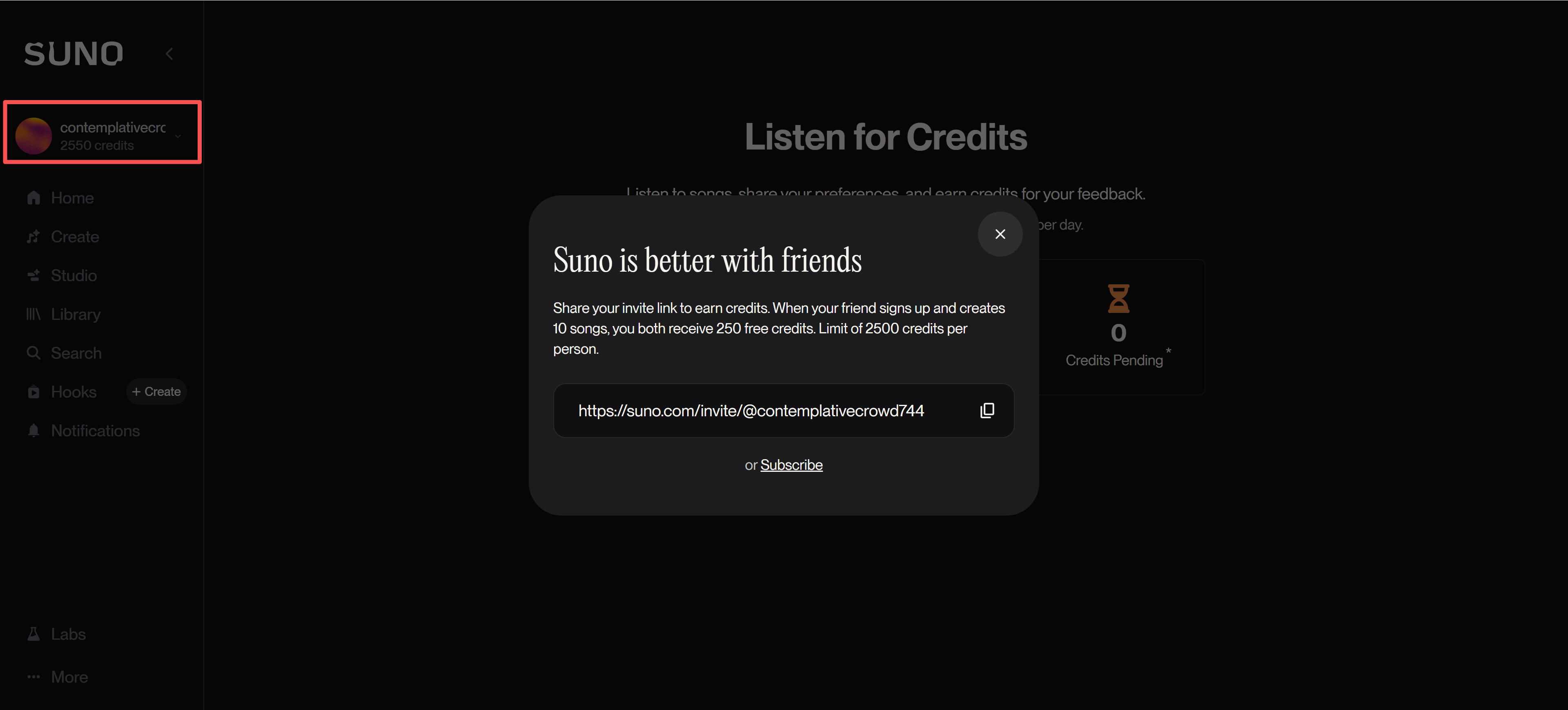
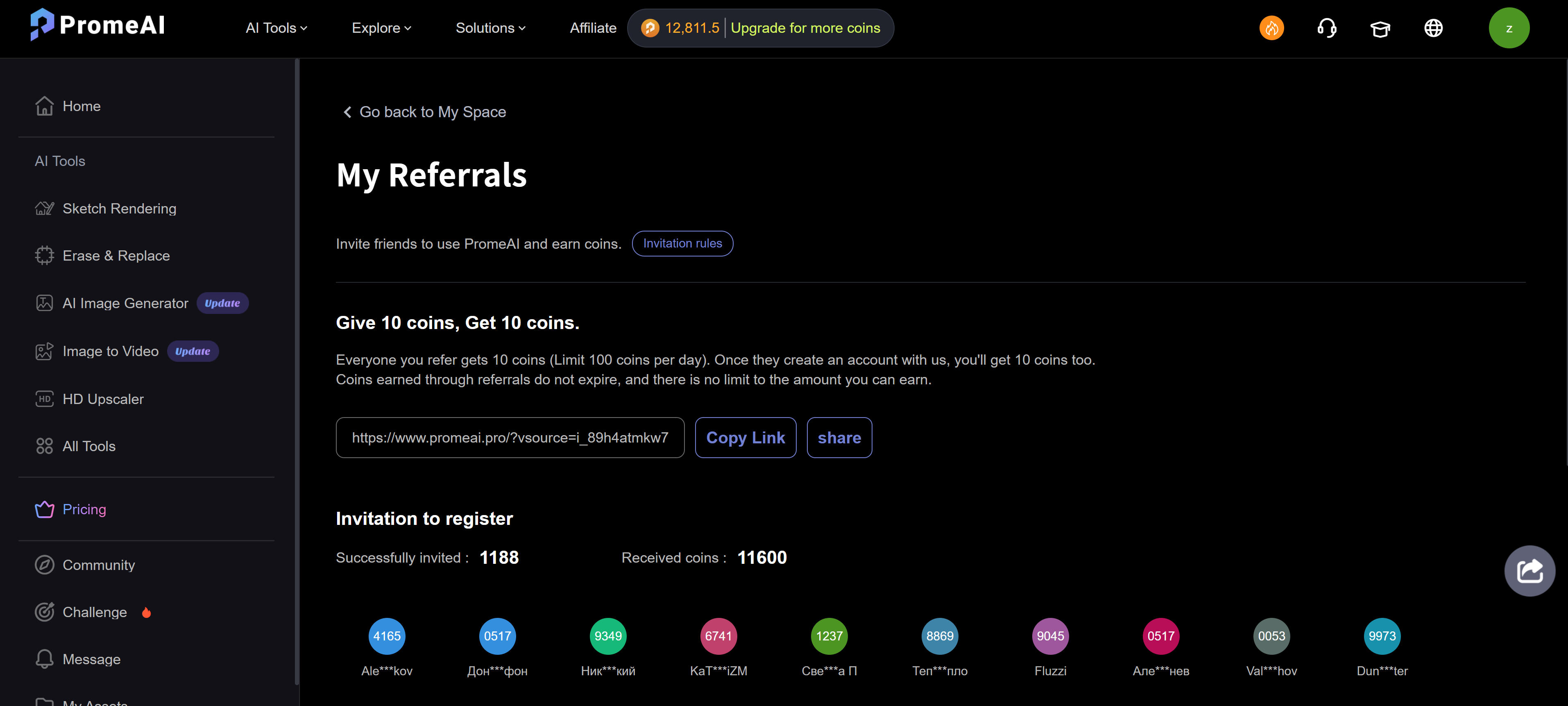
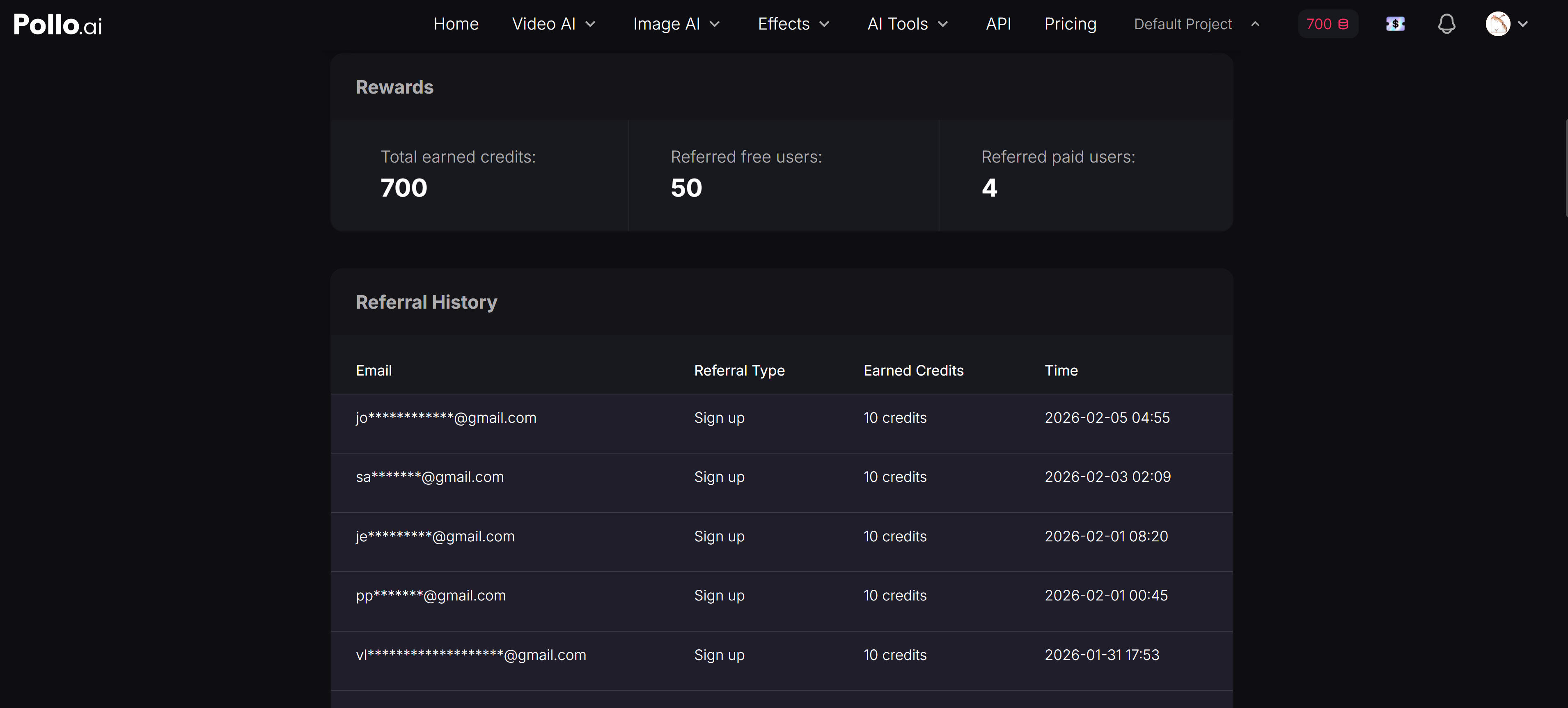
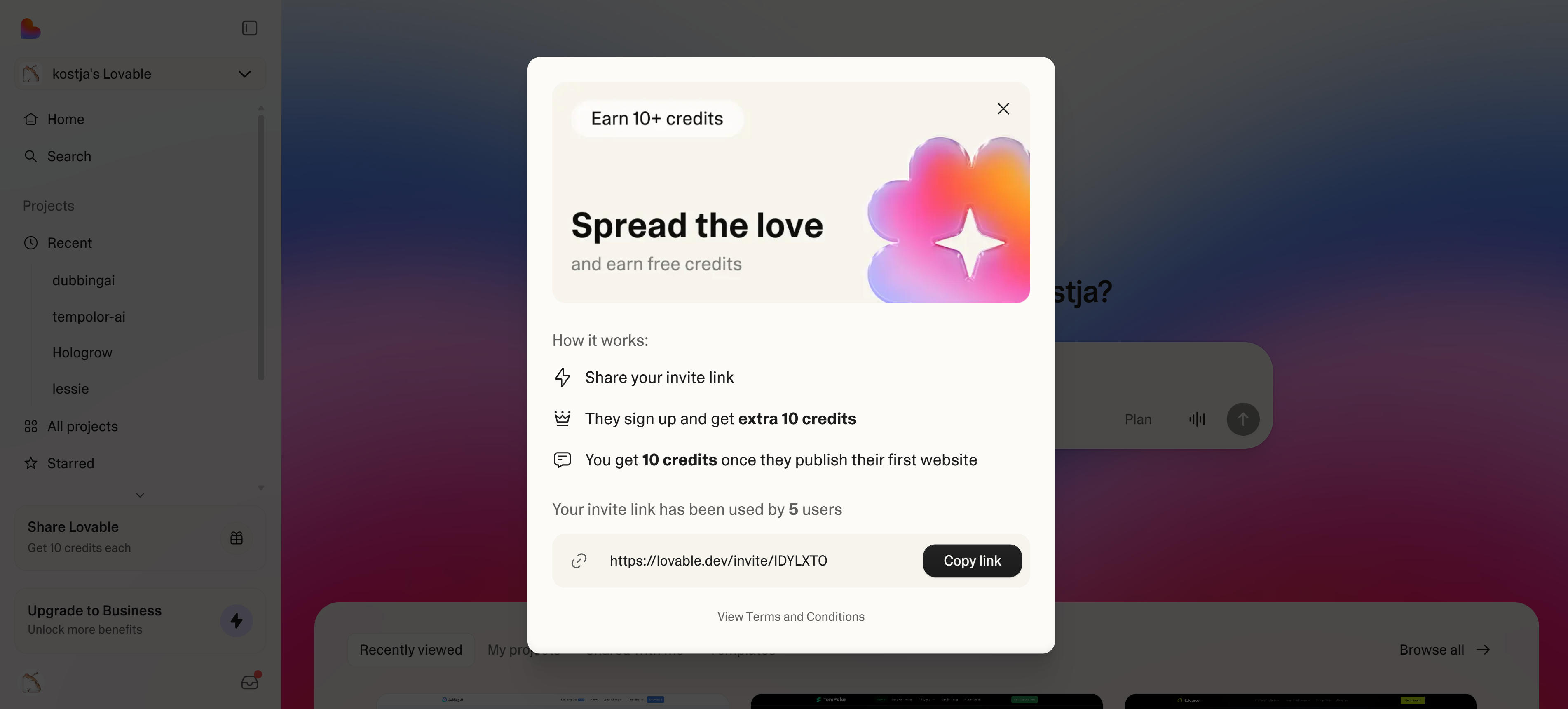
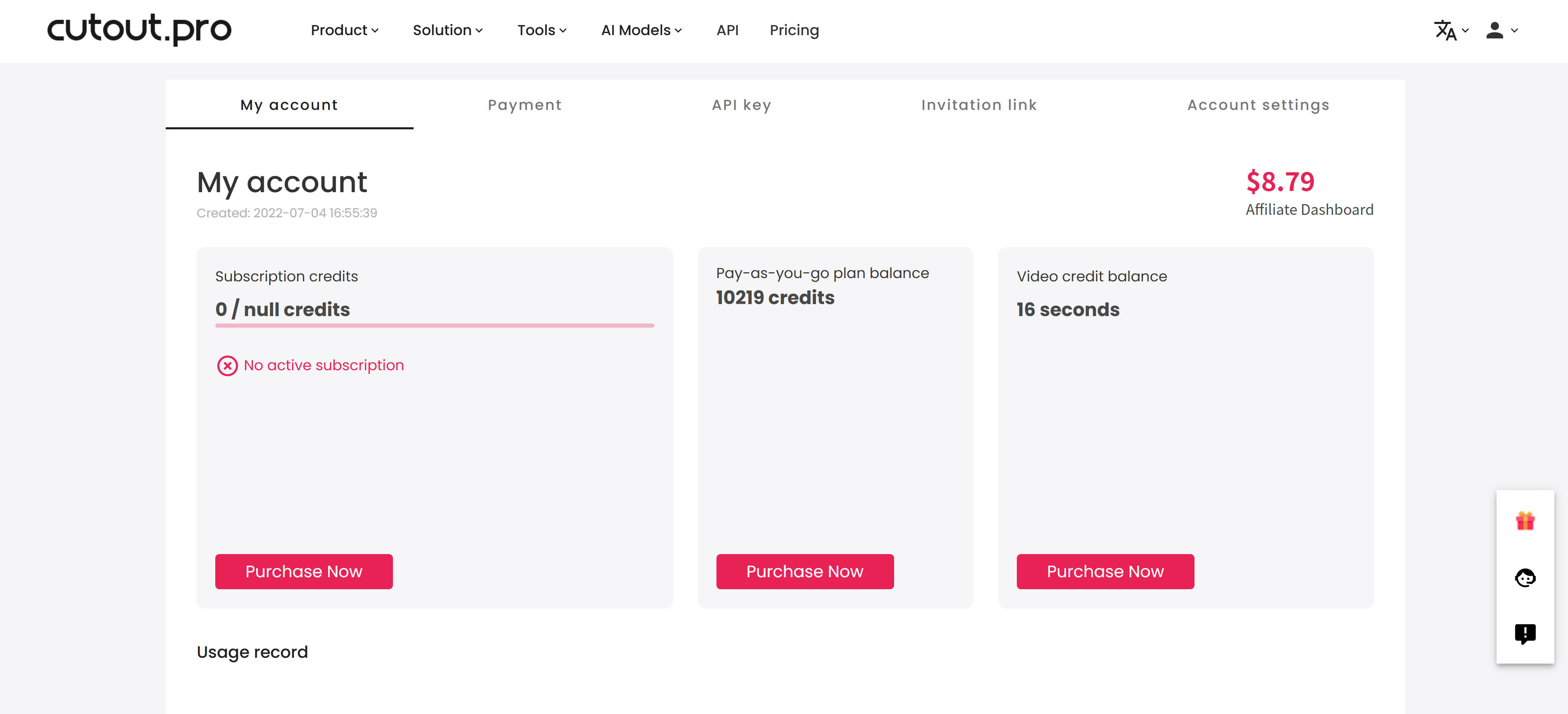
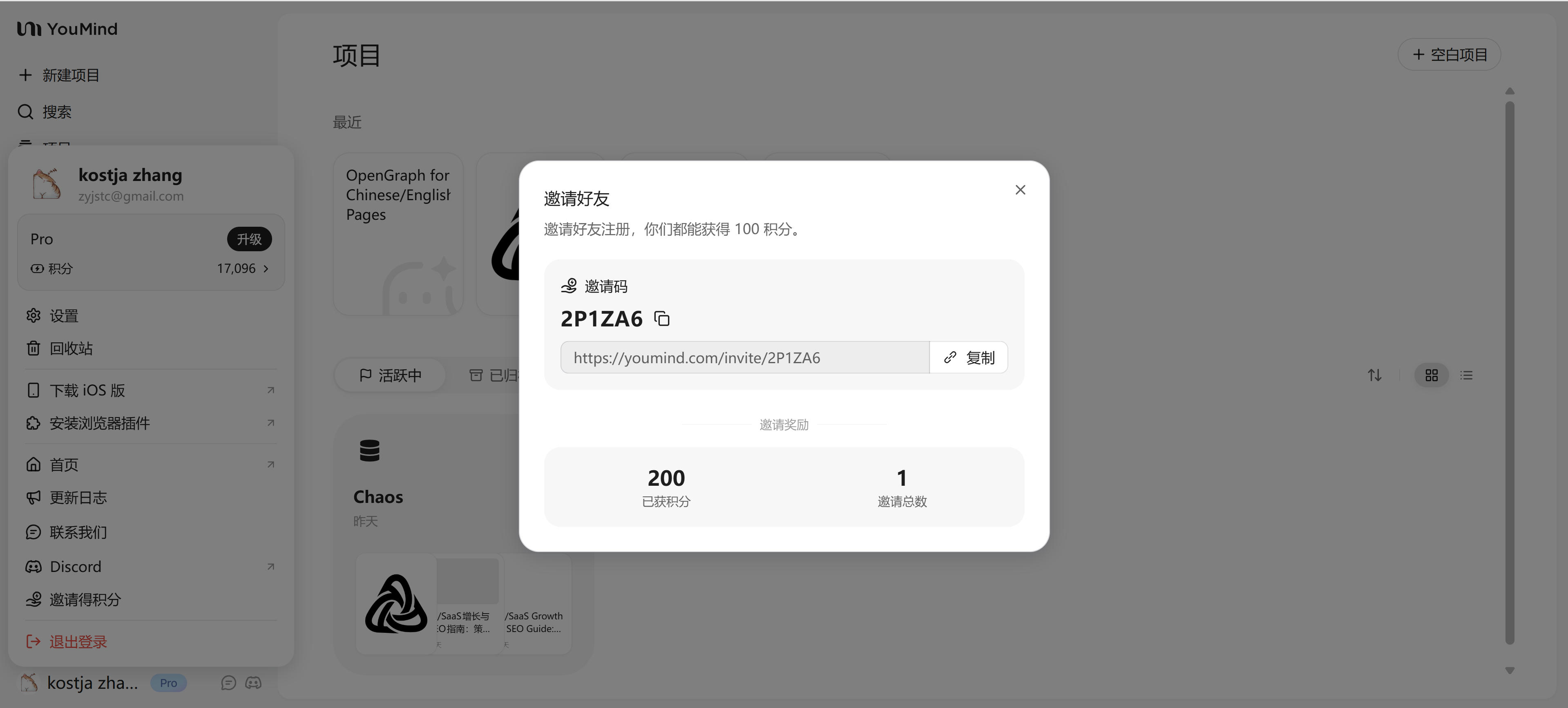
Through referral programs, I've helped multiple AI/SaaS products achieve user growth. Here are some achievements: Suno invited ten users, PromeAI nearly 1200 users, Pollo showed only the last 50 free users and 4 paid users, Lovable has five users, Cutout.pro has 2400 users, Youmind just started yesterday and already has one user. By calculating visit-to-registration conversion rates, I've helped many companies acquire new users.
Introduction
Referral programs are powerful user growth strategies for AI and SaaS companies seeking to expand user bases and increase revenue. Industry data shows referral programs average 3%-5% conversion rates, far exceeding traditional ads' 1%-2%, with customer acquisition costs (CAC) typically 50%-70% lower than paid advertising. In SaaS, referral programs have become one of the most important acquisition channels, with many successful AI and SaaS products acquiring 20%-40% of new users through referral programs.
By leveraging existing users' social networks and word-of-mouth, businesses can promote products to broader audiences without significant marketing costs. Unlike traditional advertising, referral programs use user-driven growth models with higher trust and conversion rates, making marketing costs more controllable and ROI easier to track and optimize. This guide explores referral program fundamentals for AI and SaaS products, providing insights on building effective programs and maximizing their potential.
What is a Referral Program?
A referral program is a user growth strategy that expands user bases by incentivizing existing users to recommend new users. When existing users (referrers) successfully refer new users (referees) to register or purchase, both parties can receive rewards (discounts, credits, cash, etc.). Referral programs have three main reward models:
Two-Way Reward: The most common referral model. Both referrer and referee receive rewards. For example, if a SaaS subscription costs $100/month with a $20 referral reward, the referrer gets $20 and the referee gets a $20 discount. This model is most attractive because both parties benefit, increasing referral willingness.
One-Way Reward: Only the referrer receives rewards, not the referee. For example, each successful referral earns the referrer $10 or one month free subscription. This model suits products needing cost control but has lower referral willingness.
Tiered Reward: Rewards vary by referral quantity or quality. For example, referring 1-5 users earns $10/person, 6-10 users earns $15/person, 11+ users earns $20/person. This model incentivizes continuous referrals, suitable for products needing long-term growth.
Core Value of Referral Programs
Referral programs are standard configurations for software services and essential components in building user growth and product ecosystem SOPs. In overseas markets, referral programs are necessities rather than alternatives. Reviewing successful AI and SaaS products reveals most offer referral programs.
The core value lies in user-driven growth models, acquiring new users through existing users' social networks and word-of-mouth, unlike traditional ads paying for impressions, clicks, or registrations—only paying rewards when actual conversions occur. Industry data shows referral programs average 3%-5% conversion rates, far exceeding traditional ads' 1%-2%, with average CAC typically 50%-70% lower than paid advertising. Operationally, referral programs are easy to implement—a landing page or in-app feature with unique tracking links can launch a program with minimal startup costs, typically just hundreds of dollars in tool fees and development costs.
Beyond direct user conversions, referral programs boost user loyalty and engagement. Users earning rewards through referrals increase product usage frequency and dependency, improving retention. Referral users have higher trust and conversion rates, enhancing overall user quality. Research shows users acquired through referral programs have 30%-50% higher lifetime value (LTV) and 20%-30% higher retention than users from paid advertising.
Referral Programs vs Other Growth Strategies
Referral programs, affiliate marketing, influencer marketing, and creator programs are common user growth strategies, but they differ in target audiences, reward mechanisms, and use cases. Here's a detailed comparison:
| Comparison Dimension | Referral Programs | Affiliate Marketing | Influencer Marketing | Creator Programs |
|---|---|---|---|---|
| Target Audience | Existing users | Professional promoters (affiliates) | Influential KOLs/influencers | Content creators |
| Reward Type | Discounts, credits, free services | Sales commission (10%-50%) | Fixed fees, product access | Revenue share, product access |
| Entry Barrier | Low (all users can participate) | Medium (requires application) | High (requires influence) | Medium (requires content creation ability) |
| Cost Structure | Pay only when conversions occur | Pay only when sales occur | Fixed costs regardless of results | Revenue share model |
| Avg. Conversion Rate | 3%-5% | 1%-3% | 0.5%-2% | 2%-4% |
| Implementation Difficulty | Low | Medium | High | Medium |
| Use Cases | Rapid customer acquisition, user loyalty | Professional promotion, content marketing | Brand exposure, trust building | Long-term brand building, content co-creation |
| Tracking Method | Referral links, codes | Affiliate links, tracking pixels | Promo codes, UTM parameters | Creator links, revenue tracking |
| Startup Cost | Low ($0-$500) | Medium ($500-$2000) | High ($2000+) | Medium ($500-$2000) |
Note that these strategies aren't mutually exclusive—many successful AI and SaaS products run multiple strategies simultaneously. Referral programs work well as foundational acquisition strategies due to low startup costs, simple implementation, and high conversion rates. Affiliate marketing suits professional promotion and content marketing needs; influencer marketing suits brand exposure and trust building; creator programs suit long-term brand building and community operations. Businesses should choose the best strategy combination based on product stage, target audience, and budget.
Types of Referral Mechanisms
Referral programs have three main mechanism types, each with distinct characteristics and use cases:
Link-Based Referral
Link-based referral is the most common mechanism. Referrers share unique referral links to recommend new users. When new users register or purchase through these links, systems automatically track and allocate rewards. Advantages include:
- Easy implementation: Just generate unique referral links
- Accurate tracking: Link parameters accurately track referral sources
- Convenient sharing: Users can share links via any channel (email, social media, SMS, etc.)
- Universal compatibility: Works for both web and mobile applications
Typical use cases include affiliate marketing, SaaS product referrals, and e-commerce platform referrals. For example, Dropbox achieved 60% user growth through link-based referrals.
Code-Based Referral
Code-based referral uses referral codes to recommend new users. Referrers receive unique codes; referees enter codes during registration or purchase to receive rewards. Advantages include:
- Easy to remember: Codes are typically short and memorable (e.g., "FRIEND20")
- Offline-friendly: Can be used at offline events, conferences, etc.
- Brandable: Can set brand-related codes
- Mobile-friendly: Entering codes in mobile apps is more convenient than sharing links
Typical use cases include mobile app referrals, e-commerce platform referrals, and service product referrals. For example, Uber achieved rapid global expansion through code-based referrals.
Social Referral
Social referral uses social media platforms to recommend new users. Referrers share referral content via social media (Facebook, Twitter, LinkedIn, etc.). When new users register or purchase through shared content, systems automatically track and allocate rewards. Advantages include:
- Viral spread: Achieves rapid spread through social networks
- High trust: Friend recommendations are more persuasive than ads
- Easy sharing: Users just click share buttons
- Young user-friendly: Younger users prefer sharing on social media
Typical use cases include social media app referrals, content platform referrals, and entertainment product referrals. For example, Airbnb achieved 25% of new bookings from social referrals.
How to Design Referral Programs
Designing referral programs requires considering reward structures, tracking mechanisms, user experience, fraud prevention, and continuous optimization to ensure effective user incentives while controlling costs and risks.
1. Design Reward Structure
Reward structure is the core of referral programs, directly affecting user referral willingness and cost control. Choose appropriate reward types (cash, discounts, credits, free services), set reasonable reward amounts (typically 10%-30% of product price), determine reward triggers (registration, purchase, activation, continued use). Subscription products can offer first-month free or discounts; high-value products can offer fixed-amount rewards while setting reward caps to prevent cost overruns.
2. Set Up Tracking Mechanism
Referral tracking and attribution are technical foundations ensuring accurate source tracking and correct reward allocation. Choose appropriate tracking methods (cookie tracking for web apps, URL parameter tracking for all platforms, referral code tracking for mobile apps and offline scenarios, account association tracking for products needing long-term tracking). Set reasonable attribution windows (cookie validity 30-90 days, subscription products can set 180 days), establish first-attribution rules to avoid duplicate attribution.
3. Optimize User Experience
Simplify referral flows, enable one-click referral link sharing, provide clear referral instructions and reward rules. Integrate referral features in user dashboards, display referral data and reward status in real-time, notify users promptly about successful referrals and reward distribution. Optimize referral page design and copy, highlight referral value and reward appeal, lower participation barriers, improve referral conversion rates.
4. Establish Fraud Prevention
Build comprehensive fraud prevention mechanisms detecting and preventing self-referrals (referrers registering themselves), fake referrals (using fake accounts), bulk referrals (using automation tools), and other malicious behaviors. Set referral limits (e.g., max 10 referrals per user), establish anomaly monitoring systems, detect and handle suspicious referrals promptly. Use professional tools' fraud prevention features, regularly review referral behavior to ensure quality.
5. Monitor and Optimize
Continuously monitor key metrics (referral conversion rates, referral user quality, acquisition costs, user retention), regularly analyze referral data, identify optimization opportunities. A/B test different reward structures, referral flows, and page designs, adjust reward amounts and triggers based on data feedback. Establish user feedback mechanisms, collect user opinions and suggestions on referral programs, continuously improve and optimize program effectiveness.
Referral Program Success Cases
Here are real business cases demonstrating significant user growth and revenue increases through referral programs.
Classic Success Cases
- Dropbox: Through "refer a friend, get extra storage" program, achieved 60% user growth in 15 months, with referrals accounting for 35% of new users. Both referrers and referees received 500MB extra storage, with reasonable reward design and controllable costs.
- PayPal: The internet's first successful viral growth case. Through "refer a friend, get $10" program, referrals accounted for over 10% of new users, growing from 1 million users in 2000 to over 100 million registered accounts by 2002.
- Uber: Achieved rapid global expansion through "refer a friend, get free ride" program, with referrals accounting for over 20% of new users, and referral users having 25% higher lifetime value than other channels.
- Airbnb: Achieved significant growth through "refer a friend, get travel credits" program, with referrals accounting for over 25% of new bookings. Success keys included product-relevant rewards, social referrals, and continuous optimization.
- Robinhood: Acquired large user base before official launch through "refer a friend, get stock" program, building over 1 million user waitlist before launch, reaching 1 million registered users in the first year, proving referral program effectiveness in fintech products.
AI Product Success Cases
- VEED: AI video editing platform achieved 1.3 million enabled users, 90.4% lower CAC than paid channels, 14.5% registration conversion rate, and 19.7% free-to-paid conversion rate through integrated referral program. Success keys included main menu integration, new user activation campaigns, personalized landing pages, and balanced reward structure (referrer 40% revenue, referee 50% discount).
- Typeform: Online form platform achieved 27.2% share rate and 12.7% registration conversion rate through iterative referral program launch, becoming the channel with lowest CAC among all acquisition channels. Success keys included go-to-market playbook, Moments of Delight features, dedicated referee landing page, and first-level menu integration—activation rate increased 500% within 3 weeks after first-level menu integration.
- tl;dv: AI meeting recording tool launched referral program in 2 days, achieving 1000+ referral registrations monthly and 30.3% free-to-paid conversion rate. Success keys included in-product integration, multi-channel strategy (marketing pages, lifecycle messages, social media, email), and user interview-driven continuous improvement.
Implement Referral Programs
Implementing referral programs has two main approaches: quick self-build and third-party tools. Choice depends on technical capabilities, budget, and timeline.
Quick Self-Build Solution
If you have a technical team, self-building referral programs is a great choice. Self-build advantages include full control, low costs, deep customization, and seamless integration with existing systems. Core implementation logic is relatively simple: track referral sources via URL parameters or cookies, trigger reward allocation when users complete target actions (registration, purchase, etc.), and establish fraud prevention mechanisms to ensure referral quality. Many successful AI and SaaS products use self-build solutions—for example, PromeAI and Cutout.pro have fully self-built referral programs. Referral programs are more popular and mature domestically than internationally—domestic internet companies started using referral mechanisms early (Tencent red packets, Alipay red packets, etc.), and users are very familiar with this model. If you want quick launch but don't want to start from scratch, consider open-source solutions (like RefRef), which provide complete referral tracking, reward allocation, and data analytics, support self-hosted deployment, significantly reducing development time while maintaining full system control.
Third-Party Tool Selection
If you lack a technical team or want quick launch, third-party tools are good options. Third-party advantages include quick launch, comprehensive features, low maintenance costs, and typically professional fraud prevention systems and data analytics. Mainstream third-party referral program tools include: ReferralCandy for Shopify stores and e-commerce platforms, Cello for SaaS products with AI-driven automation, Viral Loops for viral growth tools offering referral programs plus waitlists and contests, Partnerstack for B2B partner management, Impact for enterprise unified platforms. When choosing third-party tools, consider integration complexity, costs, feature completeness, and data control. For small teams or products quickly validating ideas, third-party tools significantly lower startup barriers, letting you focus on products rather than infrastructure development. Note that third-party tools typically have monthly fees and store data on third-party servers—if you have strict data privacy requirements, consider self-build solutions. For detailed comparisons and selection recommendations, see our complete referral program tools guide.
Referral Program Implementation Approach
Unlike affiliate marketing, referral programs typically don't require dedicated landing pages or application processes. Most referral programs integrate directly into product dashboards—users see their referral links and data after logging in. Users can directly share referral links without any application or approval process, lowering participation barriers and increasing referral willingness.
In-Product Dashboard Integration Examples:

Runway
Referral program directly integrated in user dashboard for easy viewing and sharing
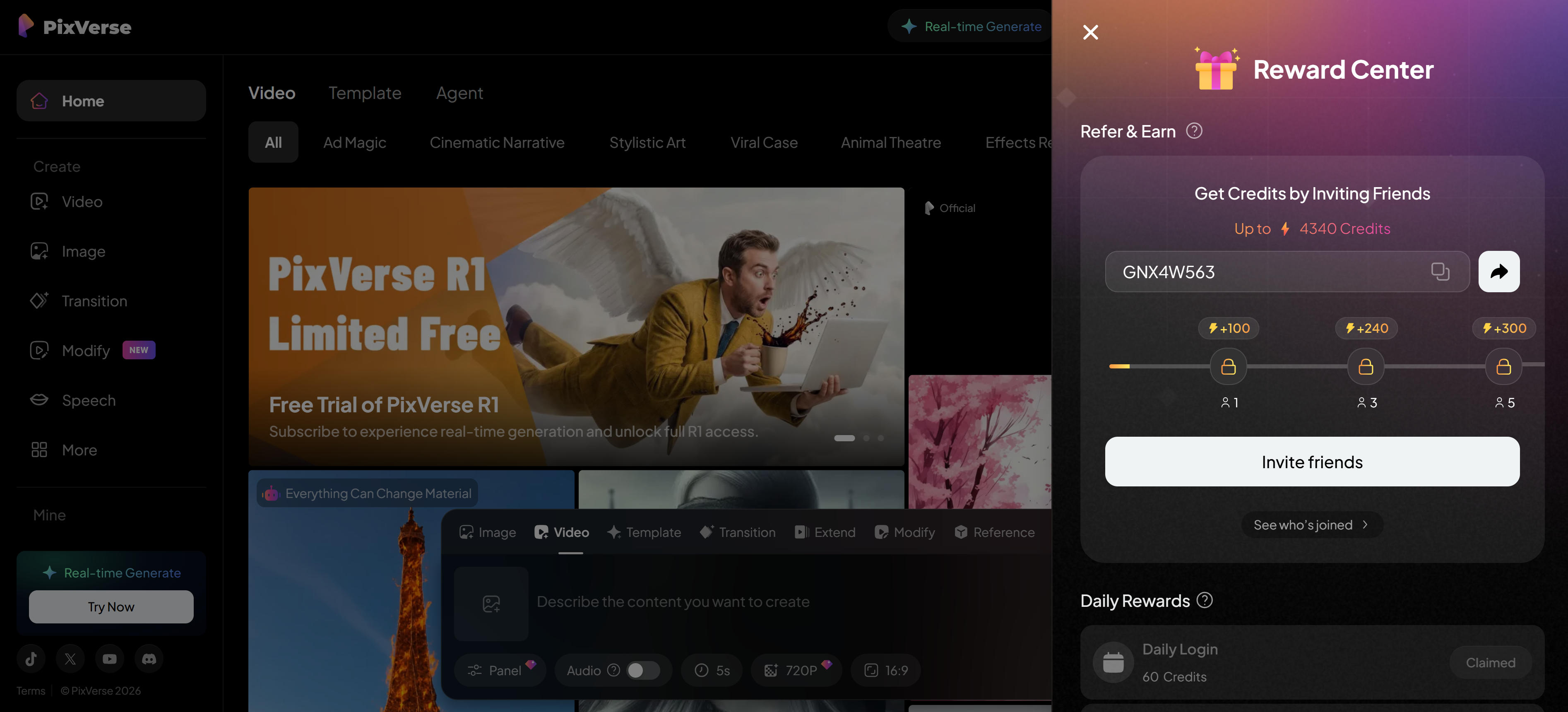
Pixverse
Dashboard displays referral links, data, and reward information with smooth user experience
However, some products create dedicated landing pages for referral programs to showcase value propositions, reward structures, and success cases. These landing pages are typically well-designed, effectively increasing new user awareness and participation willingness. Here are excellent referral program landing page examples:

Builder.io
Clear display of referral rewards and participation methods with clean, professional design
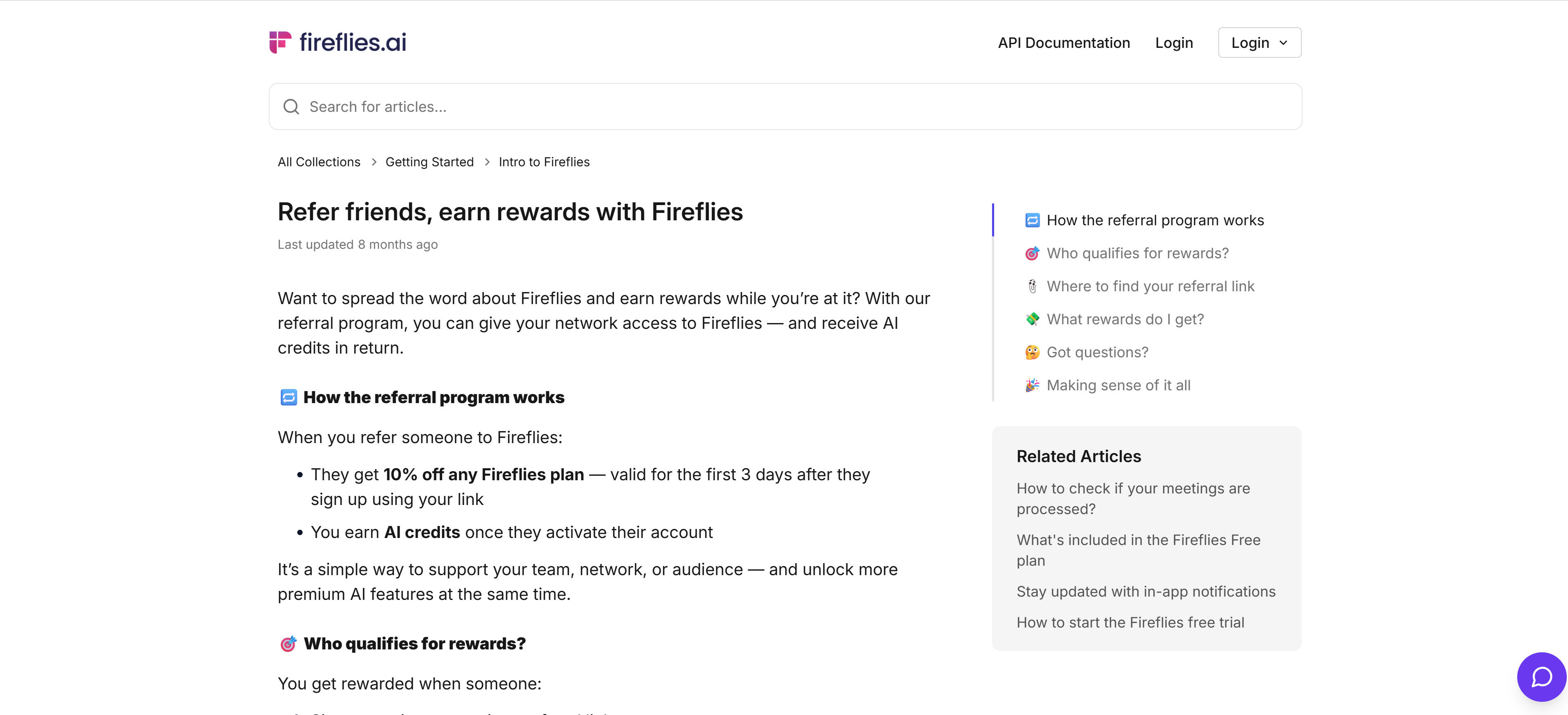
Fireflies.ai
Highlights referral reward value using data to showcase referral effectiveness
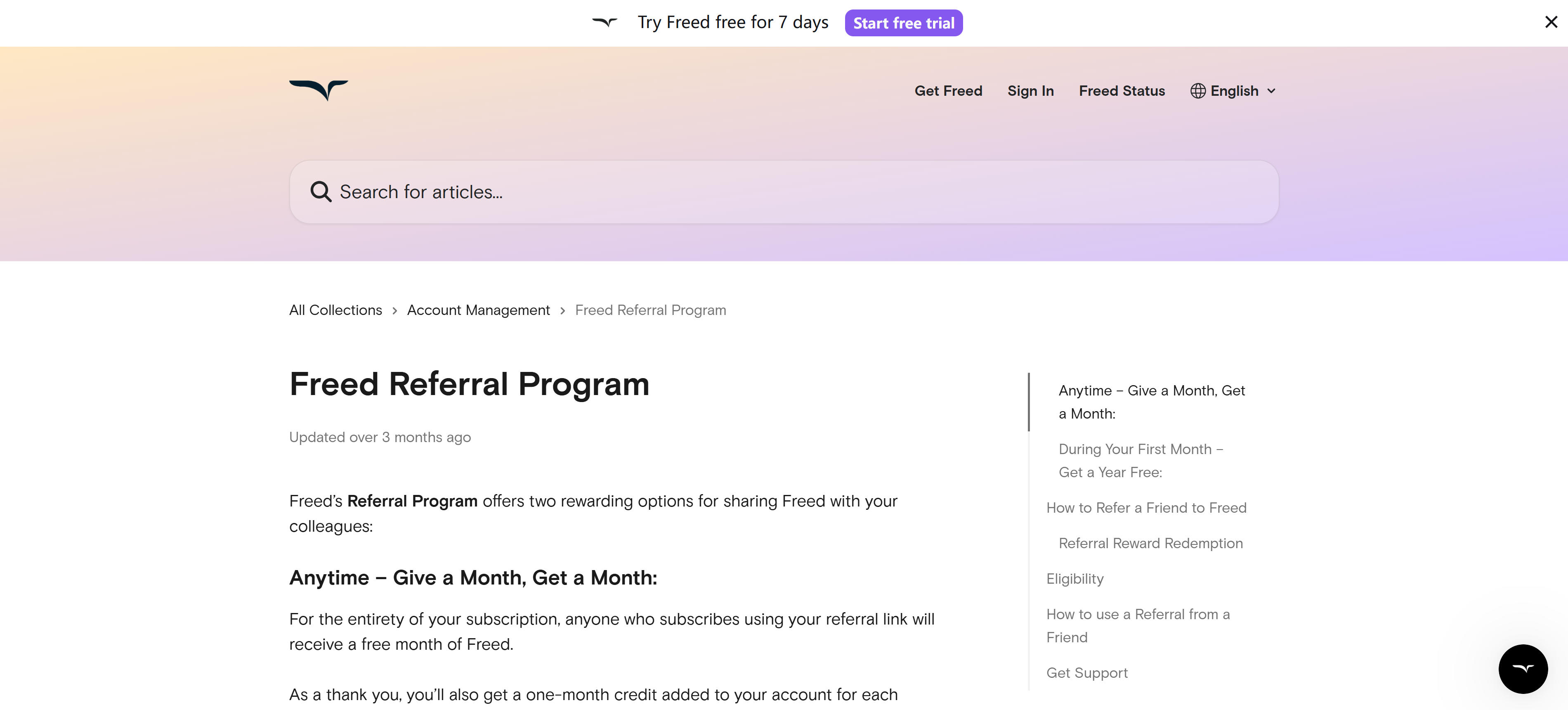
FreeAI
Clear, concise display of referral mechanisms and reward structures
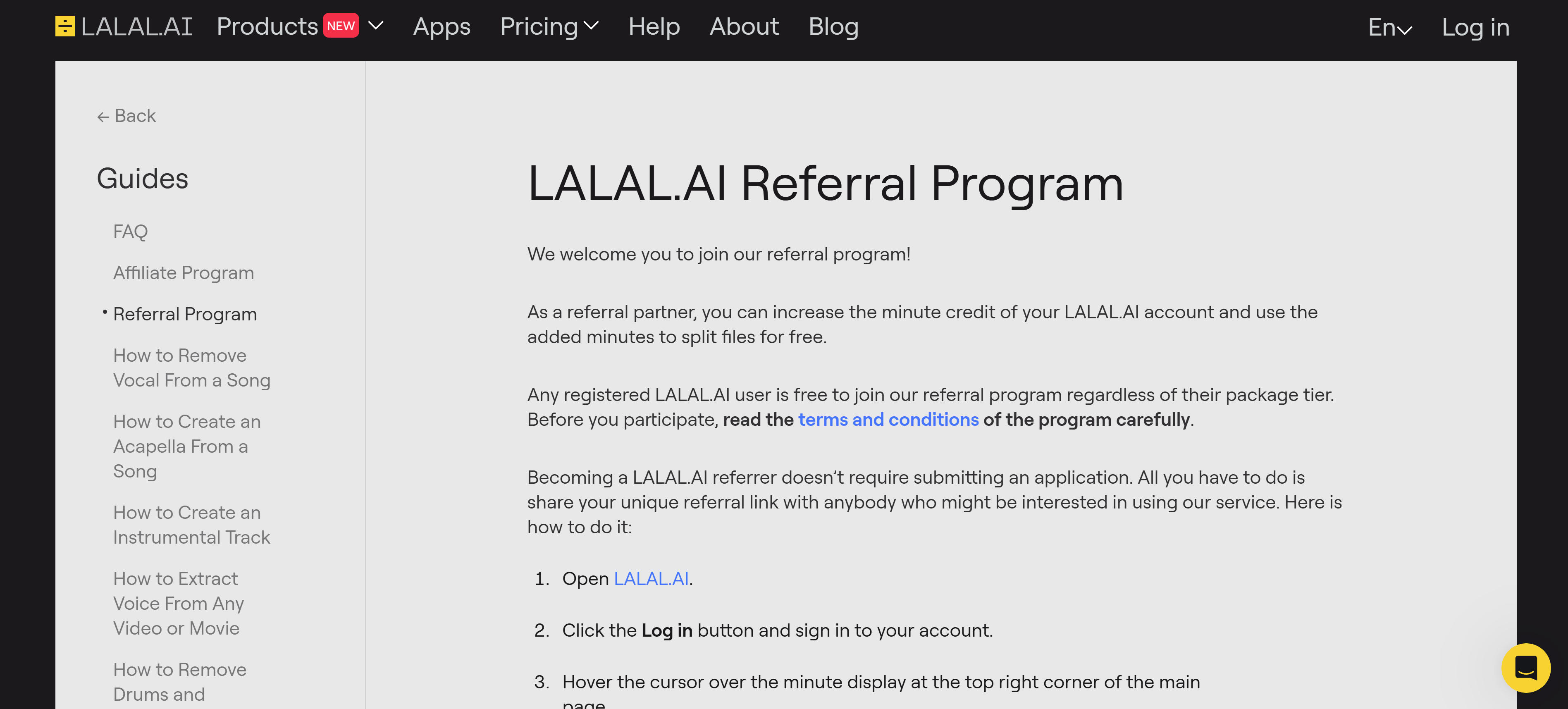
Lalal.ai
Attractive visual design highlighting referral program appeal
Conclusion
Referral programs provide AI and SaaS companies with favorable opportunities to increase user bases and drive revenue growth. By implementing well-structured referral programs and leveraging appropriate tools, businesses can effectively promote products through existing users' social networks. Compared to traditional marketing channels, referral programs offer advantages like cost control, high conversion rates, and good user quality, making them essential acquisition strategies for SaaS and AI products.
Keys to successful referral program implementation include: choosing appropriate tool platforms, designing attractive reward structures, optimizing referral flows and user experience, establishing comprehensive monitoring and fraud prevention mechanisms. With correct strategies, referral programs can become key components of successful marketing plans, bringing sustained growth and profitability. Start with lightweight tools designed for referral tracking, gradually optimize and improve programs, ultimately achieving scalable growth.
Referral programs can complement other growth strategies: affiliate marketing for professional promotion and content marketing, influencer marketing for brand exposure and trust building, creator programs for long-term brand building and content co-creation. Many businesses run multiple strategies simultaneously, choosing the best combination based on product stage and goals.
Frequently Asked Questions
What's the difference between referral programs and affiliate marketing?
Which AI and SaaS products are suitable for referral programs?
How to design attractive reward structures?
What's the average conversion rate for referral programs?
How to prevent referral fraud?
How long until referral programs show results?
How to optimize referral program conversion rates?
Can referral programs be combined with other growth strategies?
References
- Referral Program Case Study: Dropbox's Remarkable 1300% Growth in 15 Months (ReferralRocket · 2026) — Case study showing Dropbox's 1300% growth in 15 months through referral program.
- How the Dropbox Referral Program Led to Massive Growth (3900%) in Just 15 Months (ReferralRock · 2026) — Analysis of Dropbox's referral program achieving 3900% growth in 15 months.
- The Success of PayPal's Referral Program: A Detailed Case Study (ReferralRocket · 2026) — Detailed case study of PayPal's successful referral program.
- Uber Referral Program Case Study (TryBeans · 2026) — Case study analysis of Uber's referral program.
- CASE STUDY: How Airbnb used Referral Program to increase its booking by 25%? (DSIM · 2026) — Case study on how Airbnb increased bookings by 25% using referral program.
- Airbnb Referral Program Case Study (TryBeans · 2026) — Case study analysis of Airbnb's referral program.
- Robinhood Referral Program that Got 1 Million Users Before Launch (Prefinery · 2026) — Case study of Robinhood acquiring 1 million users before launch through referral program.
- How two founders got nearly 1 million users for their app before it even existed (Business Insider · July 2017) — Story of how Robinhood founders acquired nearly 1 million users before app launch.