Introduction
In competitive AI and SaaS markets, traditional ad costs rise while results become unpredictable. Influencer marketing is becoming a secret weapon for many successful products. According to Statista, the global KOL market exceeded $10 billion in 2023 and is expected to reach $32.55 billion by 2025.
Compared to traditional ads, overseas influencer marketing has lower traffic costs but higher precision. Overseas MCN data shows influencer recommendations achieve 5% click-through rates, 3 percentage points higher than traditional ads. Purchase conversion increases 10x, ROI improves 3x. Compared to affiliate marketing, creator programs, creative contests, and Lifetime Deal, influencer marketing focuses more on brand trust and precise reach.
Budget consideration: Before starting, consider your budget. If limited, skip custom service research and start manual influencer finding to gain experience. As experience and budget grow, introduce professional tools and platforms to improve efficiency.
What Is Influencer Marketing?
Influencer marketing involves partnering with social media influencers, content creators, or experts to promote brands or products. Unlike traditional ads, it emphasizes "trust endorsement" and "word-of-mouth."
Terminology: Overseas, influencers are called Influencer, Youtuber, or Content Creator. Domestically, they're called KOL, blogger, or KOC. Core concept: content creators with influence and fan base in specific fields or platforms.
Creator economy background: According to the creator economy report, the creator economy is driven by independent creators on Instagram, YouTube, and TikTok. In 2022, the industry had about 50 million creators, worth over $104 billion. Influencers are professional or amateur content creators, similar to self-media domestically.
,独立站或博客,私域社群和EDM等盈利,在国内对应的是小红书,知乎,B站,抖音,微信群,公众号等.png)
Core advantage is leveraging existing influence to bypass cold-start traffic bottlenecks, quickly reach target audiences, and build emotional connections. This brings immediate sales conversion and long-term brand reputation. For independent sites and SaaS products, influencer marketing helps build overseas influence and brand awareness at lower costs than traditional ads.
Influencer Marketing vs Other Growth Strategies
Influencer marketing differs from affiliate marketing, creator programs, and creative contests. Understanding differences helps choose the right strategy:
| Dimension | Influencer Marketing | Affiliate Marketing | Creator Program |
|---|---|---|---|
| Main Goal | Brand exposure and trust building | Direct sales and conversion | Brand building and content co-creation |
| Incentive | Paid promotion, product exchange, commission | Commission (by sales) | Points, free use, exclusive resources |
| Content Requirement | Influencer original content, brand guidance | Promotion links sufficient | Must use product to create content |
| Relationship | Short or long-term, flexible | Transactional | Long-term partnership |
| Screening Criteria | Influence, follower quality, content style | Traffic, conversion ability | Content quality, audience match |
Key difference: Influencer marketing focuses on brand exposure and trust building through influencer influence and fan resources. Unlike affiliate marketing's direct sales conversion, influencer marketing builds trust first, then guides purchases, with longer chains but higher conversion rates. Many companies run multiple strategies simultaneously.
Core Value of Influencer Marketing
Influencer marketing brings multiple values for AI and SaaS products:
- Boost brand trust and conversion: Influencers build strong trust with fans. When they recommend products, fans tend to trust and try. This "third-party endorsement" works better than brand self-promotion. Quality influencer content can achieve 2-3x higher conversion than cold traffic ads.
- Acquire precise segmented traffic: Different influencers have vertical fan groups. This verticality enables precise targeting, avoiding无效曝光.
- Lower ad costs and risks: As ad costs rise, influencer marketing costs are more controllable. Even if a collaboration doesn't bring direct sales, brand exposure and content assets still have value, reducing sunk risk.
- Content feeds other channels: Quality influencer content can be reused on websites, ad materials, email marketing, extending value cycle.
- Break cold-start dilemma: For new brands or sites, influencer marketing quickly brings exposure and first users, helping build market awareness.
Influencer Types and Characteristics
Influencers can be classified by platform and scale:
By Platform
Instagram influencers: Suitable for image and short video content, visual products have advantages. Main categories are fashion and beauty, users aged 25-34.
TikTok influencers: Suitable for viral content, entertainment and creative products. TikTok responds to young users with short videos, quickly gaining influence in fashion, beauty, food. Over half of TikTok users are under 24.
YouTube influencers: Suitable for deep reviews and tutorials, high customer value products. YouTube's long-form content suits product reviews with usage barriers. 67%+ of YouTube users are 18-34.
LinkedIn influencers: Suitable for B2B marketing and professional services, targeting professional creators and B2B users.
By Scale
Nano influencers: 1,000-10,000 followers. High engagement and strong interaction, perfect for precise niche markets. According to Influencer Marketing Hub, brands show increased willingness to collaborate with nano influencers.
Micro influencers: 10,000-100,000 followers. High engagement and trust, often higher conversion than macro influencers, more cost-effective.
Mid-tier influencers: 100,000-1,000,000 followers. Balance influence and cost, preferred by most brands.
Macro/Mega influencers: 1M+ followers. High influence but high cost, suitable for large brands needing quick brand awareness.
How to Implement Influencer Marketing
Successful influencer marketing requires systematic planning and execution. Key steps include influencer discovery, cooperation models, content strategy, and tracking.
How to Find and Screen Influencers
Finding the right influencers is crucial. Common channels include:
- Form collection: Set up influencer application forms on websites or landing pages, letting interested influencers submit applications. Requires brand awareness to attract applications.
- Influencer marketing tools: Use professional tools like Lessie AI, Stormy.ai, Upfluence to filter by followers, engagement, region. These tools automate discovery, analyze data, provide recommendations, and support full campaign management. Passionfroot (creator economy leader) helps brands connect with creators.
- Manual search: Search for influencers using brand terms, industry terms, scenario terms on social platforms. Check competitors' influencer lists. Find creators promoting competitors; they may be interested in your product.
- Platform search: Search directly on Instagram, TikTok, YouTube. For Twitter/X, use advanced search syntax:
keyword min_retweets:numberormin_faves:number, or use Advanced search.
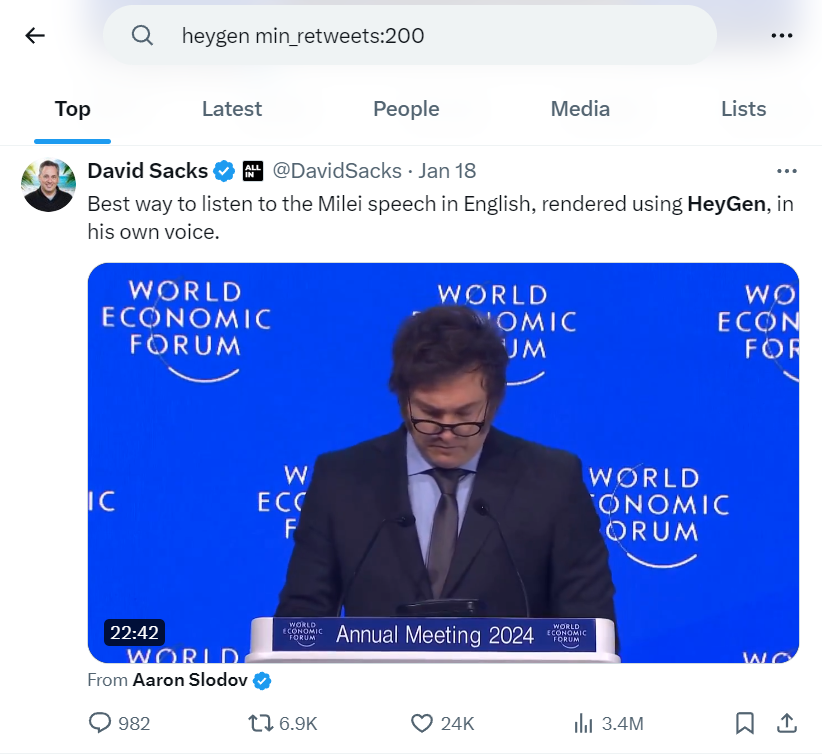
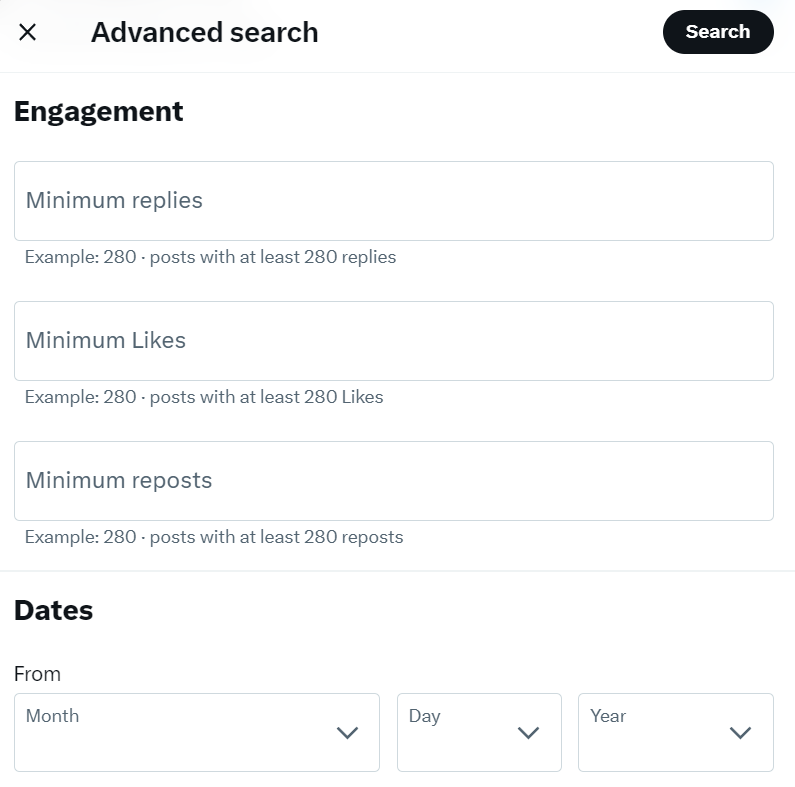
When selecting influencers, don't just look at follower count. Focus on engagement rate (likes, comments, shares), follower quality (avoid fake followers), content style (match brand tone), past cases (assess conversion ability). A mid-tier influencer with 20K real active followers may bring higher conversion than a macro influencer with 500K followers but low engagement.
Cooperation Models and Incentives
Influencer marketing offers diverse cooperation models:
- Paid promotion: Direct payment for brand content on social accounts. Suitable for quick exposure, higher cost, for brands with sufficient budget.
- Commission sharing: Through affiliate marketing systems, influencers earn sales commissions. Lower risk, suitable for budget control and long-term collaboration. Many brands use "Flat fee + CPS" hybrid models.
- Product exchange: Brands provide free products for influencers to try and share. Low cost, suitable for small budget testing, requires influencer interest.
- Long-term brand partnership: Build long-term relationships with excellent performers, creating brand ambassador effects. Similar to creator programs, but focuses more on brand exposure than content co-creation.
Content Strategy and Publishing
Influencer marketing effectiveness largely depends on content quality and publishing rhythm:
- Content forms: Multiple options including Shoutout (simple mentions), Review (detailed reviews), Favorites (recommendation lists), Tutorial/How to (usage guides), Placement advertising (natural integration), Promote (dedicated promotion). Choose based on platform tone and influencer style. Good influencer content shows brand info without feeling like hard ads.
- Publishing time: Combine with target market active hours, e.g., North America peak is 7-9 PM local time.
- Frequency: For brands needing continuous exposure, use multiple drops instead of all at once, extending heat.
- Cross-platform: Influencer content can be authorized for website homepages, ad materials, email marketing, extending content lifecycle.
Ensure brands give influencers creative freedom, don't over-intervene with scripts, keep content natural and authentic. Overseas influencers value content innovation and differentiation; if brands provide ready scripts, influencers may feel "offended."
Cooperation Notes
When establishing partnerships, note key points:
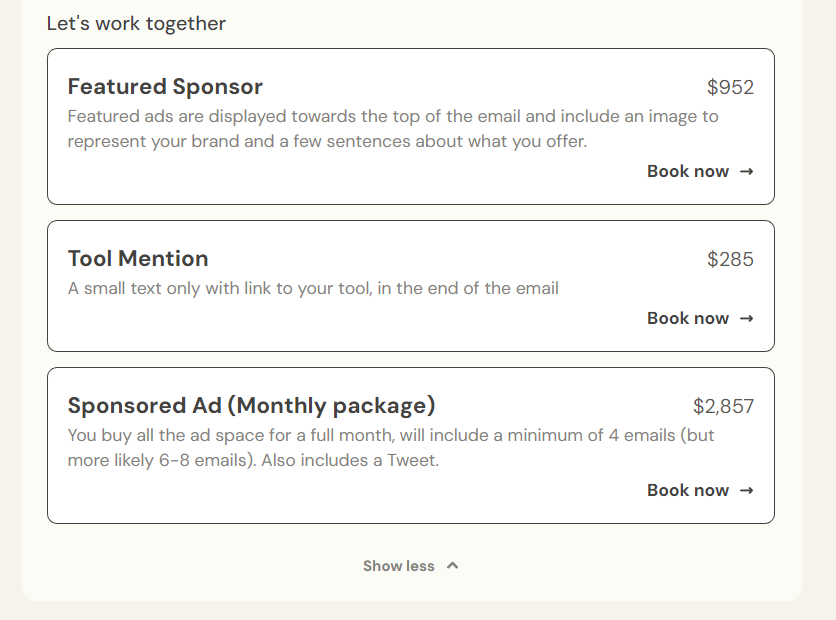
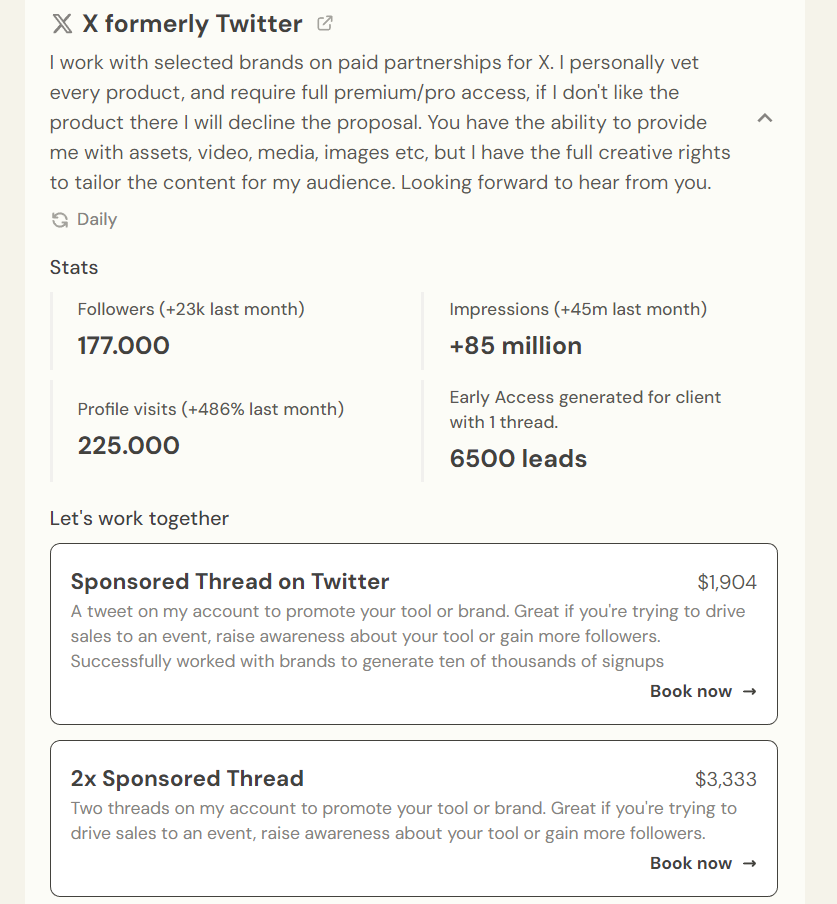
- Request channel data: Ask influencers for real channel data including followers, average views, engagement. Verify with third-party tools to avoid fake traffic. Some influencer collaborations are expensive; prices should match data performance.
- Agree on publishing dates: Clearly specify content publishing dates in contracts, establish delivery tracking. Influencer delay probability is 20%-25%; delays reduce engagement 15%-20% per day. Plan ahead and have backup plans.
- Payment method: Recommend PayPal for international payments, issues can be appealed. Use "prepayment + final payment": prepay after contract signing, final payment after content publishing and quality confirmation. This protects brand interests and gives influencers security.
- Content review: Clearly specify content requirements in contracts, set review processes. Give creative freedom but provide brand guidance, ensure content matches brand tone and compliance.
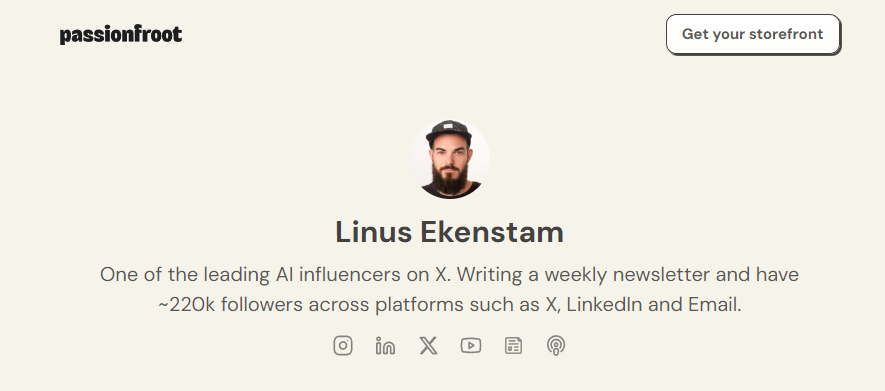
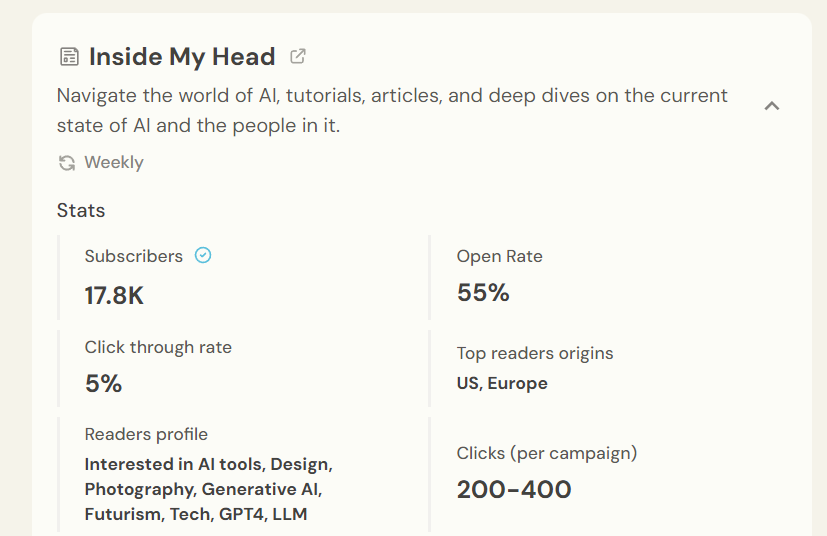
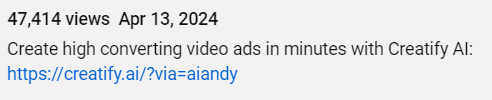
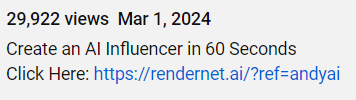
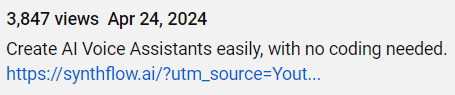
By observing influencers' other videos, many influencers also earn commissions through affiliate programs as part of their income. For example, a YouTube creator's HeyGen video shows Rewardful links, likely earning affiliate commissions.




Tracking and Analysis
Influencer marketing requires scientific tracking and evaluation. Common metrics include:
- Impressions: How many saw content.
- Clicks: Assess traffic ability.
- Conversion rate: Measure purchase intent and landing page performance.
- ROI: Calculate investment return ratio.
Assign unique promo codes or tracking links (UTM) to each influencer for precise monitoring. Data analysis helps optimize strategy. If an influencer has high ROI, increase budget and long-term collaboration. If results are poor, adjust cooperation model or change influencers.
Influencer Marketing Tools and Platforms
Influencer marketing tools use AI and data technology to help brands discover, contact, and manage influencer partnerships. These tools automate influencer search, data analysis, and campaign management, improving efficiency and effectiveness.
Modern influencer marketing technology uses big data analysis, AI, and automation to understand brand needs, learn influencer characteristics, and automatically discover and evaluate suitable influencers. Compared to traditional methods, technology improves discovery efficiency, data accuracy, and management efficiency.
Main tools include: Lessie AI (AI Agent influencer search), Stormy.ai (influencer discovery), Aha (campaign management), Partnrup.ai (AI matching), Favikon (influencer analytics), AspireIQ (influencer platform), Upfluence (discovery and management). Passionfroot (creator economy leader) helps brands connect with creators. These tools collect influencer info from multiple platforms, provide intelligent scoring, analyze follower quality and engagement, and automate invitations and management.
As AI advances, influencer marketing tools continue improving. AI Agent development can empower influencer development and invitation stages, achieving full AI automation, significantly freeing human resources. On brand side, AI Agent helps polish outreach emails, automate follow-up replies, and advance sample shipping, achieving full automation.
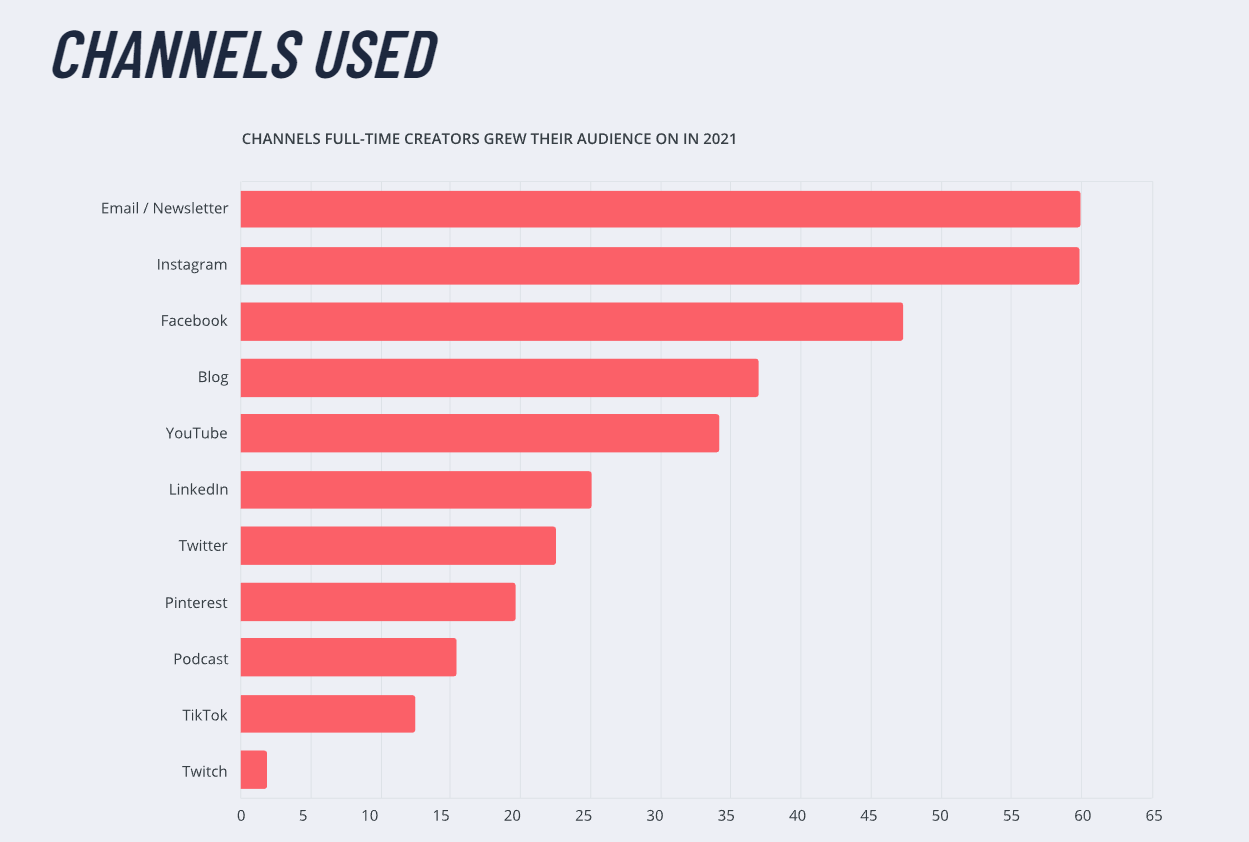
More data: creator economy report
Common Challenges and Solutions
Implementing influencer marketing may encounter various challenges:
| Challenge | Solution |
|---|---|
| Finding suitable influencers | Use professional tools to filter by followers, engagement, region; check competitors' influencers; search platforms by keywords |
| Fake traffic and data bubbles | Use third-party tools to verify data; focus on engagement rate, not just followers; analyze follower quality and content; influencers commonly have 25% fake engagement, 15% fake followers |
| Low outreach efficiency | Use AI tools to automate emails and follow-ups; in-app messages have under 2% success rate; emails have highest reply rate; use bulk outreach tools |
| Price opacity and expectation gaps | Use price databases to understand market rates; same influencer may quote 2-5x difference; clarify details and sign contracts |
| Delivery delays | Influencer delay probability 20%-25%; delays reduce engagement 15%-20% per day; use project management tools; specify deadlines in contracts; have backup plans |
| Inconsistent content quality | Specify requirements in guidelines; provide example content; set review processes; give creative freedom with brand guidance |
| Tracking difficulties | Use UTM parameters for tracking links; assign unique promo codes; use analytics tools; establish content-traffic-conversion analysis |
| Overseas influencer management | Overseas influencers value freedom; respect creative freedom, don't over-intervene; clarify requirements but give creative space; build long-term relationships, not one-time transactions |
Success Case Studies
Real enterprise cases showing how influencer marketing drives significant business growth and brand improvement:
AiPPT: One-Click Strategy, $0.42 CPC in Most Competitive Market
AiPPT.com, an AI presentation tool, faced challenges standing out in the competitive productivity tools market. Through Aha platform's one-click strategy generation, the entire influencer campaign was planned in 5 minutes, finding creators focused on workflow efficiency and education technology like Teacher's Tech. The campaign used high-conversion content like "Document to presentation in 60 seconds" and "AI redesigns my slides," achieving 229.7K+ target views, $0.43 average CPC in North America (most competitive, highest-cost SaaS acquisition market), with top partners driving 4.7K+ clicks at $0.27 ultra-low CPC, directly converting to user trials.
Vizard: Video Editing Tool Success Case
The Vizard case shows how video editing tools build brand trust and user base through influencer marketing. By partnering with suitable influencers, Vizard achieved both brand exposure and user growth.
Shakker: 22.19% Conversion Rate, Sustainable Growth
Shakker AI, an AI-driven digital creative platform, needed breakthrough in saturated market and user registration growth. Through precise audience matching and viral content strategy, Shakker's one-week viral campaign on Twitter achieved 256,900 views, YouTube video series achieved $0.10 ultra-low CPC. More importantly, the campaign achieved 22.19% conversion rate (far exceeding industry 1-3% average), average CPC $2.05, lowest CPC $0.1. Daily registrations exceeded 400 during campaign, and even 6 months after campaign ended, creators still drive 6-10 new registrations daily, achieving transition from short-term burst to sustainable growth.
Conclusion
Influencer marketing is important for AI and SaaS product growth and brand building. By providing attractive cooperation models, establishing clear processes, and using professional tools, companies can build partnerships, gain quality content promotion and user growth.
Success keys: clear goals, choose right influencers, design matching cooperation models, continuous monitoring and optimization. While implementation may face challenges like fake traffic, low outreach efficiency, price opacity, systematic planning and execution with professional tools can bring significant brand value and user growth.
Start small, scale based on ROI, and continuously collect feedback to optimize strategy. Remember, influencer marketing is a long-term brand building strategy, typically requiring 3-6 months to see clear results. Patience and continuous investment are key.
Influencer marketing complements other growth strategies: affiliate marketing for direct sales conversion, creator programs for long-term brand building and content co-creation, creative contests for short-term exposure and topic marketing, Lifetime Deal for early product rapid acquisition. Many companies run multiple strategies simultaneously, choosing the best combination based on product stage and goals.