AI Browsers: Intelligent Web Navigation and Search
Introduction
This guide explores the best AI browsers for 2026. We cover core concepts, technical fundamentals, and analysis of top tools. The guide includes feature comparisons, use cases, selection criteria, and frequently asked questions.
What Are AI Browsers
AI browsers are web browsers integrated with artificial intelligence technology, capable of understanding natural language instructions, automatically executing complex web tasks, and providing intelligent interactions. Compared to traditional browsers, AI browsers excel at automatic task execution, intelligent data processing, and personalized services. These browsers feature built-in AI agents that understand user intent, create execution plans, and automatically complete multi-step tasks, providing complete intelligent browsing solutions for professionals, researchers, and knowledge workers.
How AI Browsers Work
AI browser technology uses LLMs and intelligent agent architectures to understand natural language instructions, learn user behavior patterns, and automatically execute complex web operations. The technology employs neural networks trained on vast web interaction datasets that learn browsing patterns, task workflows, and user preferences. Compared to traditional browsers requiring manual navigation and limited automation, AI browsers improve task automation, intelligent interaction, and personalized services, making web browsing more efficient and intuitive for users.
- Natural language understanding: Understanding natural language and user intent, enabling users to interact with browsers using conversational language rather than complex commands.
- Automatic web operations: Executing automatic web operations like clicking and typing, automating repetitive tasks and multi-step workflows.
- Behavior learning: Learning preferences from user behavior, providing personalized recommendations and optimized browsing experiences.
- Task planning: Planning complex tasks into steps, breaking down complex objectives into manageable actions and executing them automatically.
Different browsers use different architectures, optimized for their specific use cases. Native AI browsers build AI capabilities from the ground up, providing seamless AI integration throughout the browsing experience. Traditional browsers integrate AI services like Chrome with Gemini, adding AI features to existing browser infrastructure. Hybrid browsers combine traditional browsing with AI agent capabilities, providing both standard browsing and AI-powered automation. These developments not only improve browser efficiency and user experience but also provide more possibilities for web interaction, making AI browsers more widespread.
2026 Best Native AI Browsers: Smart Search & Automation
Native AI browsers are designed specifically for AI functionality, integrating AI capabilities at the architectural level, providing more powerful automation and intelligent features. These browsers typically feature built-in AI agent systems that understand user intent, automatically execute tasks, and provide intelligent suggestions.
1. ChatGPT Atlas: Conversational Browsing
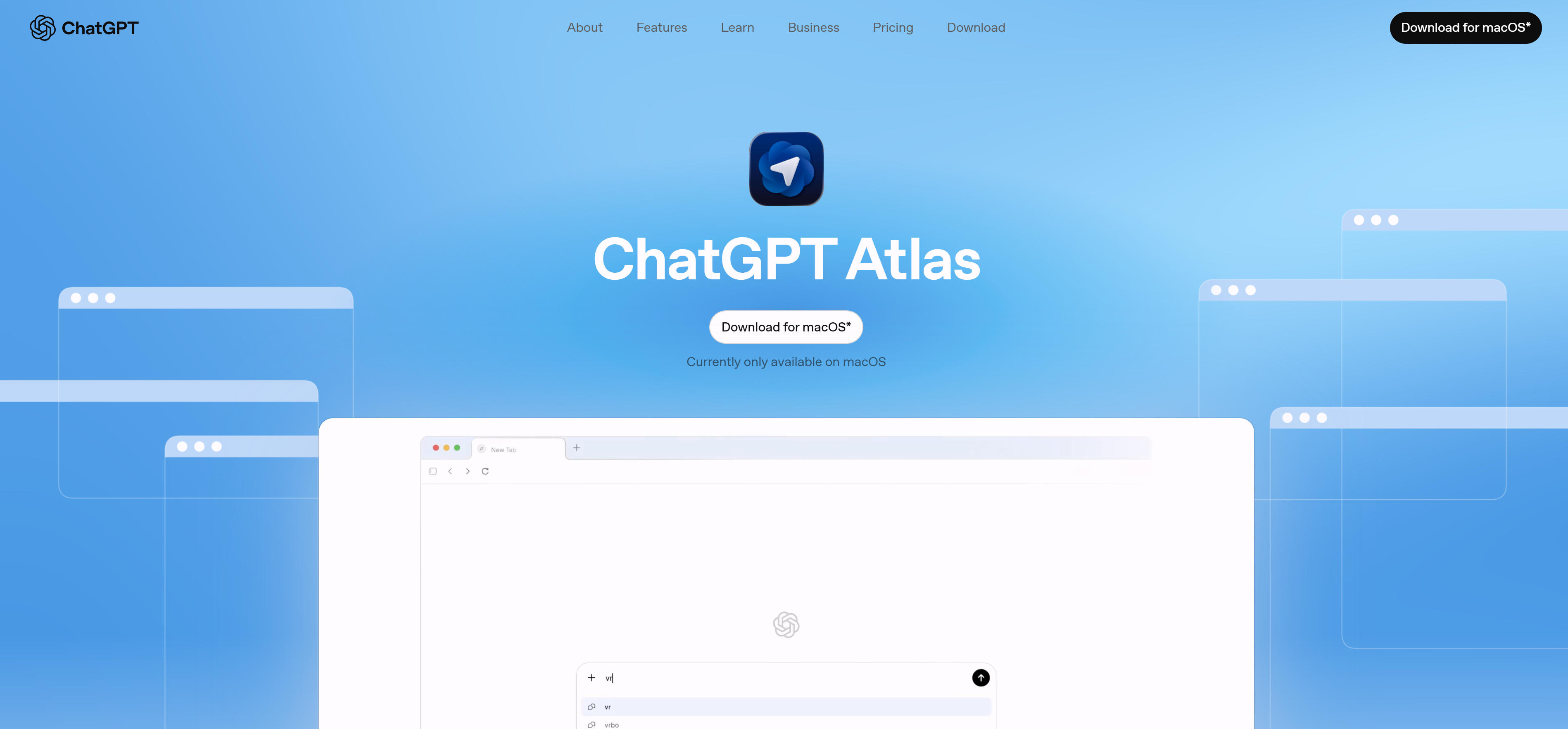
ChatGPT Atlas is OpenAI's AI browser, based on GPT model technology, capable of understanding natural language instructions and automatically browsing web pages, extracting information, and executing tasks. Atlas's core feature is deep ChatGPT integration, allowing users to control browser behavior through conversation, achieving intelligent web browsing and task execution. Atlas suits users needing deep information research and automated tasks, whether for academic research, market analysis, or content creation. The tool provides strong context understanding, remembering conversation history for coherent browsing experiences. Atlas's deep ChatGPT integration makes it ideal for users needing intelligent conversational browsing, helping users quickly find information and automatically execute related tasks.
2. Arc: Innovative Interface Design
Arc is a modern browser developed by The Browser Company, known for its innovative interface design and AI-assisted features. Arc provides Spaces and Profiles functionality to help users organize different online activities, while integrating AI assistant features for intelligent suggestions and automation. Arc suits users needing efficient organization and multitasking, whether for work, study, or personal projects. The tool also provides innovative features like Split View and Themes, allowing users to create personalized browsing environments. Arc's innovative interface design and AI-assisted features make it ideal for users seeking efficient browsing, helping users better organize and manage online activities.
3. Perplexity Comet: Intelligent Search
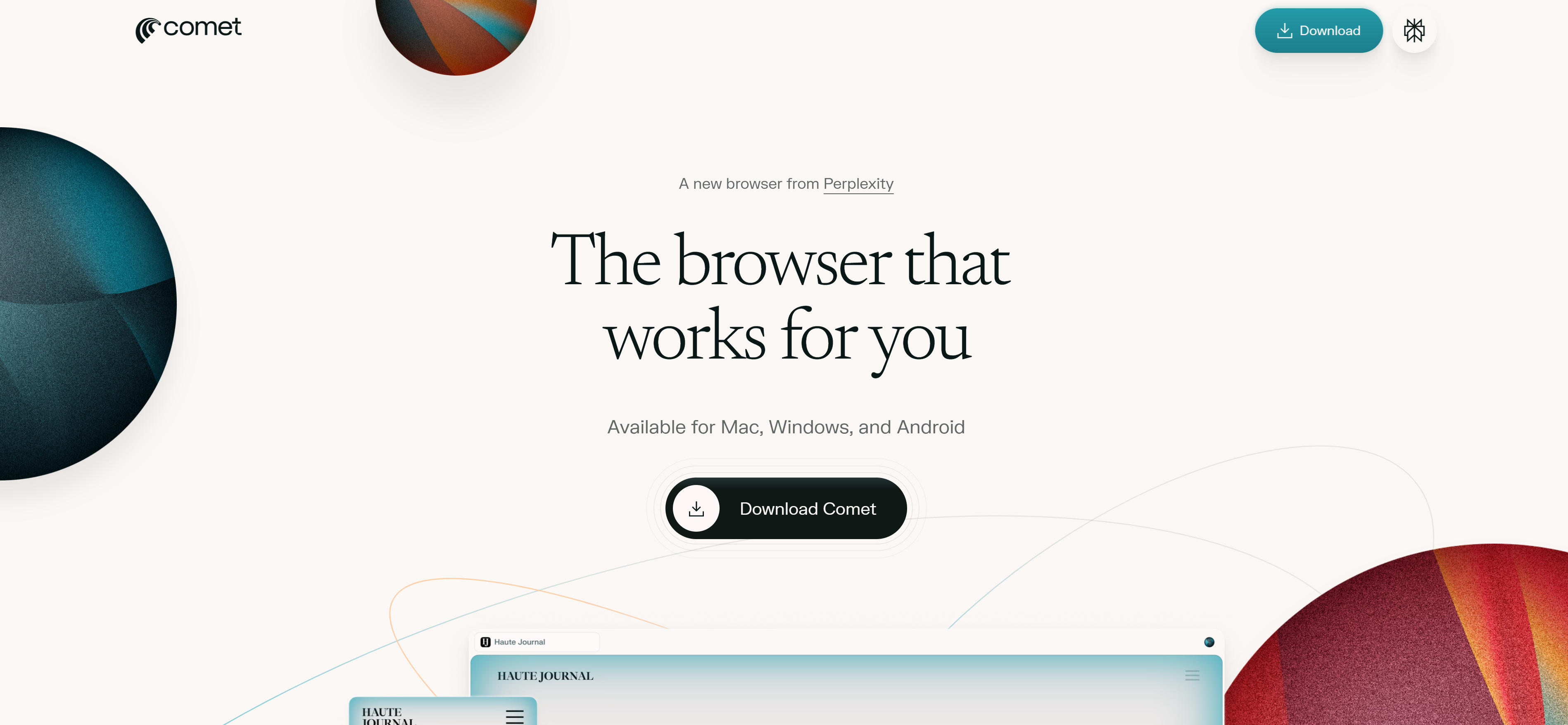
Perplexity Comet is Perplexity's AI browser, focused on intelligent search and answer generation. Comet combines search engine and AI conversation capabilities, understanding user questions, searching relevant information, generating comprehensive answers, and providing verifiable source citations. Comet suits users needing deep research and information verification, whether for academic research, news analysis, or technical research. The tool also provides real-time search capabilities to access the latest web information. Comet's intelligent search and answer generation make it ideal for users needing high-quality information research, helping users quickly verify information accuracy.
4. Fellou: Task Automation
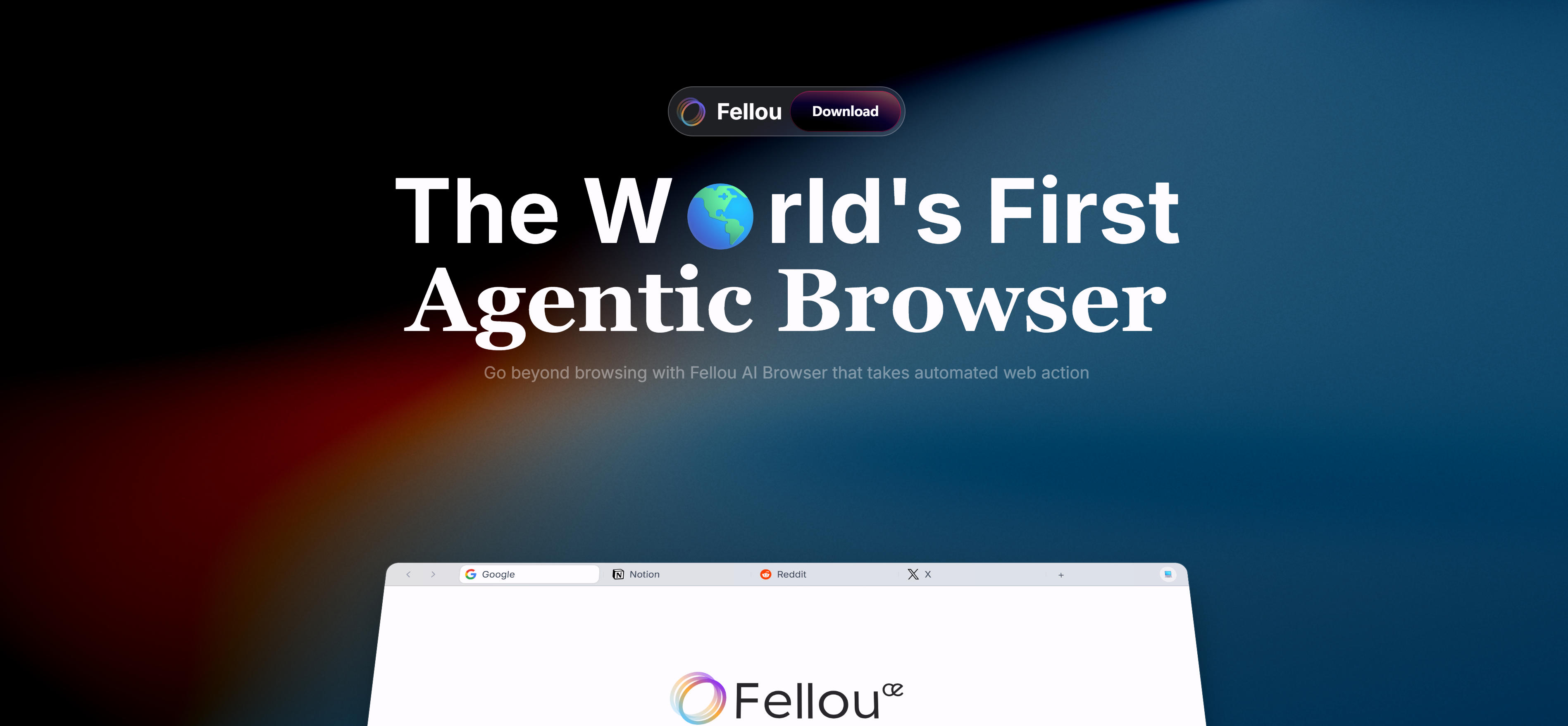
Fellou is a powerful AI browser focused on automating complex web tasks and workflows. Fellou provides Deep Action Agent functionality, understanding user intent, creating execution plans, and automatically completing cross-platform tasks including data collection, form filling, report generation, and more. Fellou suits users needing automation of repetitive tasks, whether for market research, data analysis, or content management. The tool also provides Agentic Memory functionality, learning user behavior patterns to offer personalized automation suggestions. Fellou's deep action agent and automation capabilities make it ideal for users needing complex task automation, helping users significantly improve work efficiency.
5. Dia Browser: Writing Assistance
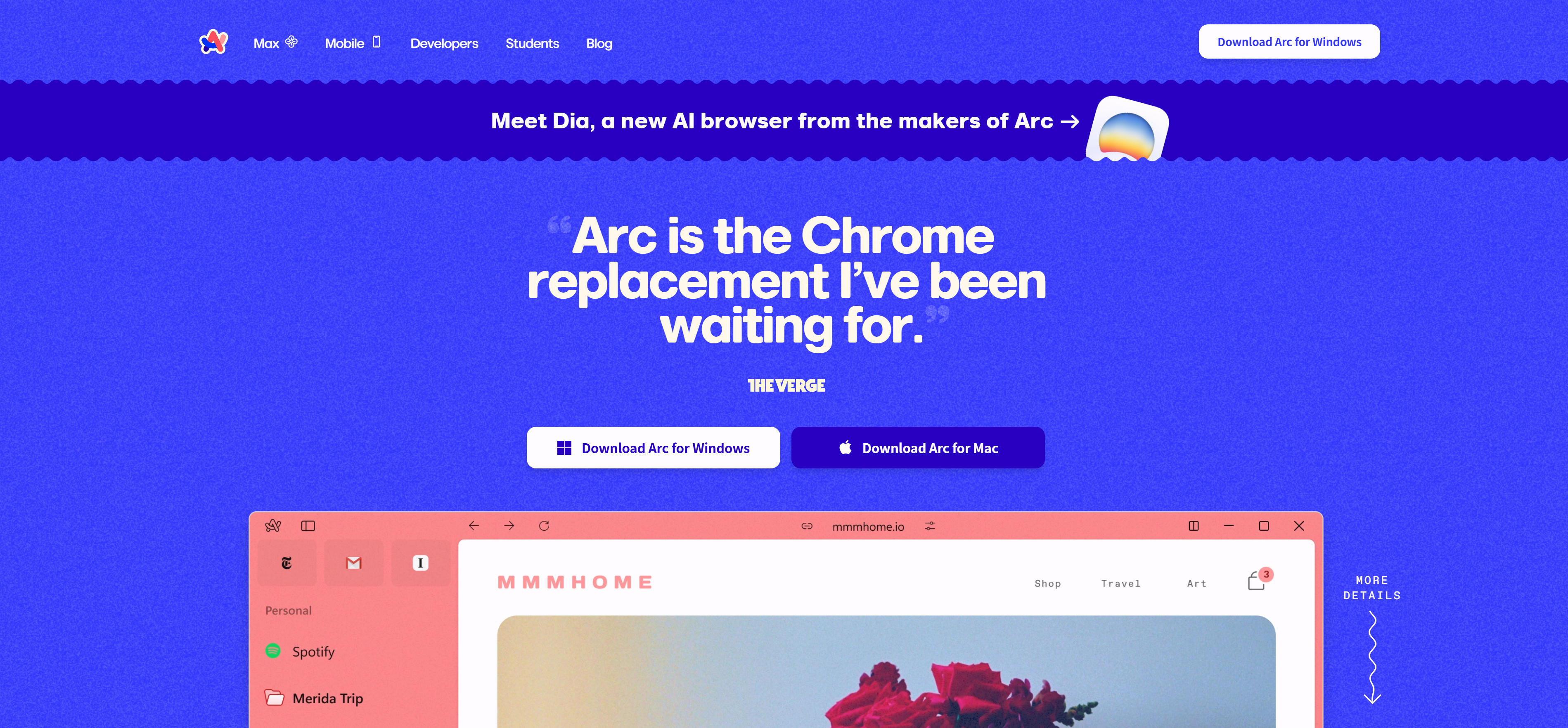
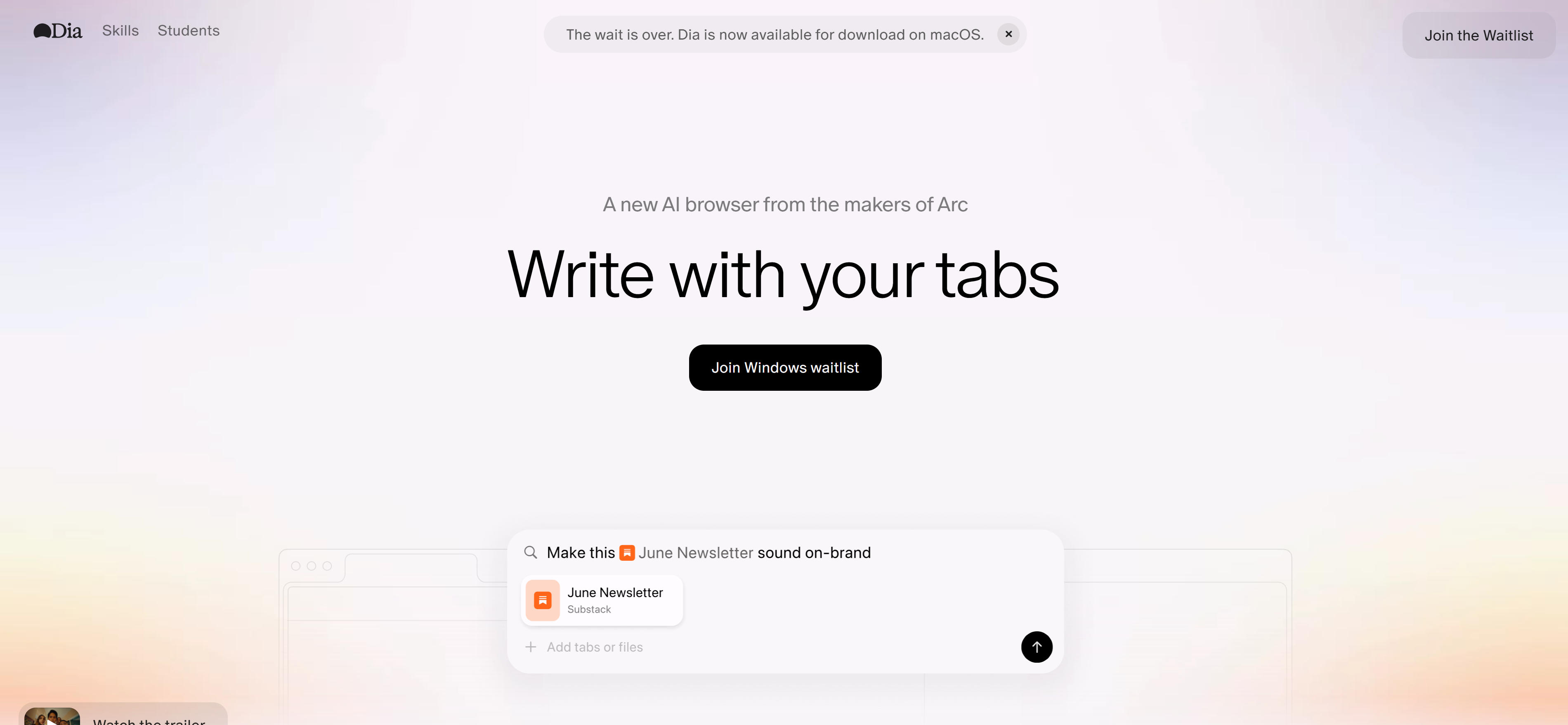
Dia Browser is an AI browser developed by the Arc team, focused on intelligent writing and learning assistance. Dia provides inline AI assistant functionality, offering writing suggestions, translation services, content summaries, and more in any text box, making AI assistants writing partners in every text field. Dia suits users needing writing assistance and learning support, whether for content creation, academic research, or language learning. The tool also provides YouTube timestamps, meeting summary generation, and other features, significantly improving information processing efficiency. Dia's inline AI assistant and writing support make it ideal for users needing real-time AI help, helping users better understand and master new knowledge.
6. Yandex Browser: Multilingual Support
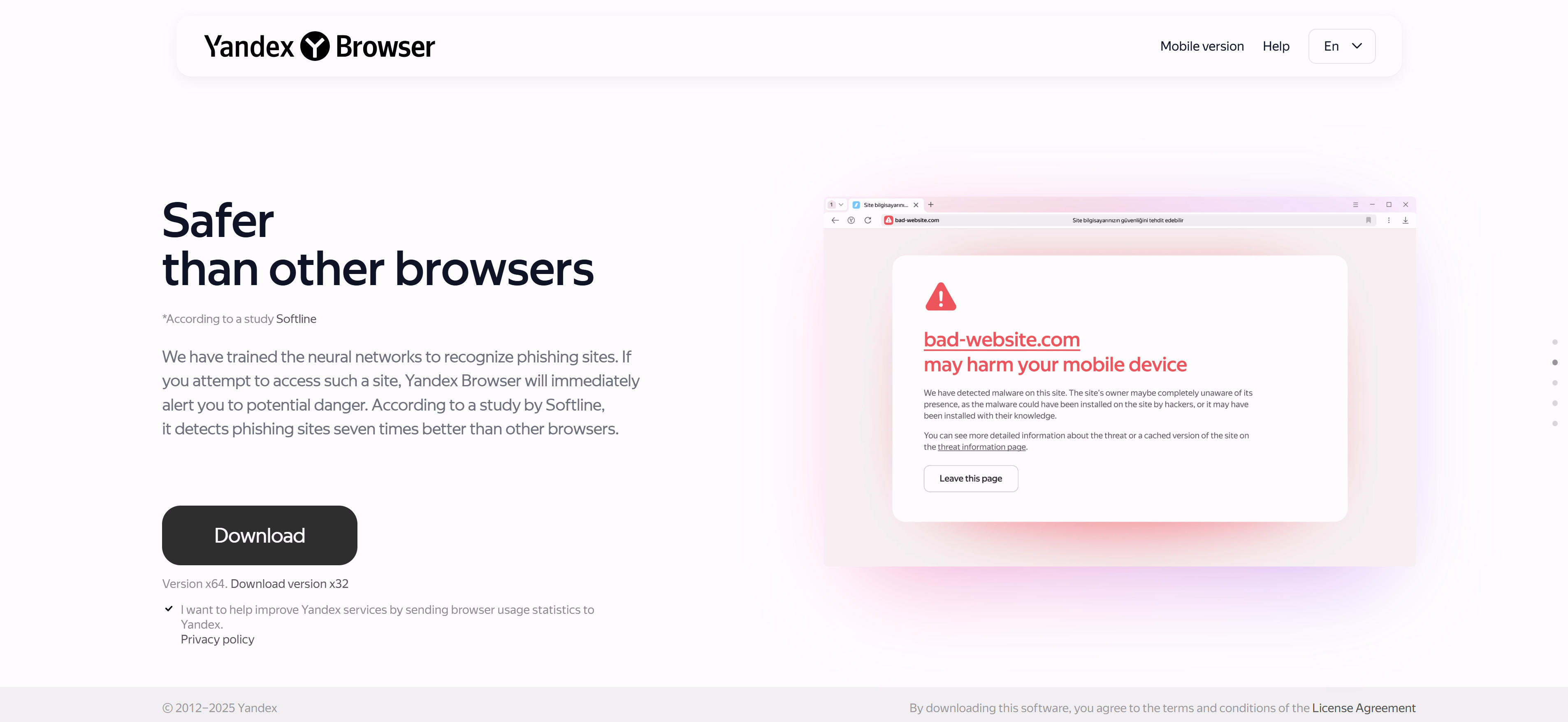
Yandex Browser is a browser developed by Russian company Yandex, featuring built-in AI assistant functionality for intelligent search, content recommendations, translation services, and more. Yandex Browser integrates Yandex's AI technology, understanding Russian and multiple languages, providing localized intelligent services. Yandex Browser suits Russian-speaking users and those needing multilingual support, providing strong localization features and AI assistance. The tool also provides Turbo mode, data synchronization, and other features to improve browsing speed and user experience. Yandex Browser's multilingual support and localization features make it ideal for users needing Russian AI services, helping users quickly find needed information.
7. Strawberry Browser: Specialized Assistants
Strawberry Browser is a browser with integrated AI automation features, allowing users to create and manage multiple AI assistants that can perform scrolling, clicking, typing, and other operations on web pages. Strawberry provides specialized AI assistants like Sales Sally, Recruiter Ryan, Extractor Ella, and more. Strawberry suits users needing automation of specific workflows, whether for sales lead mining, recruitment screening, or data collection. The tool also supports custom assistant creation, allowing users to adjust assistant behavior according to their needs. Strawberry's specialized AI assistants and automation features make it ideal for users needing specific workflow automation, helping users create AI assistants that match their needs.
8. Sigma Browser: Privacy Protection
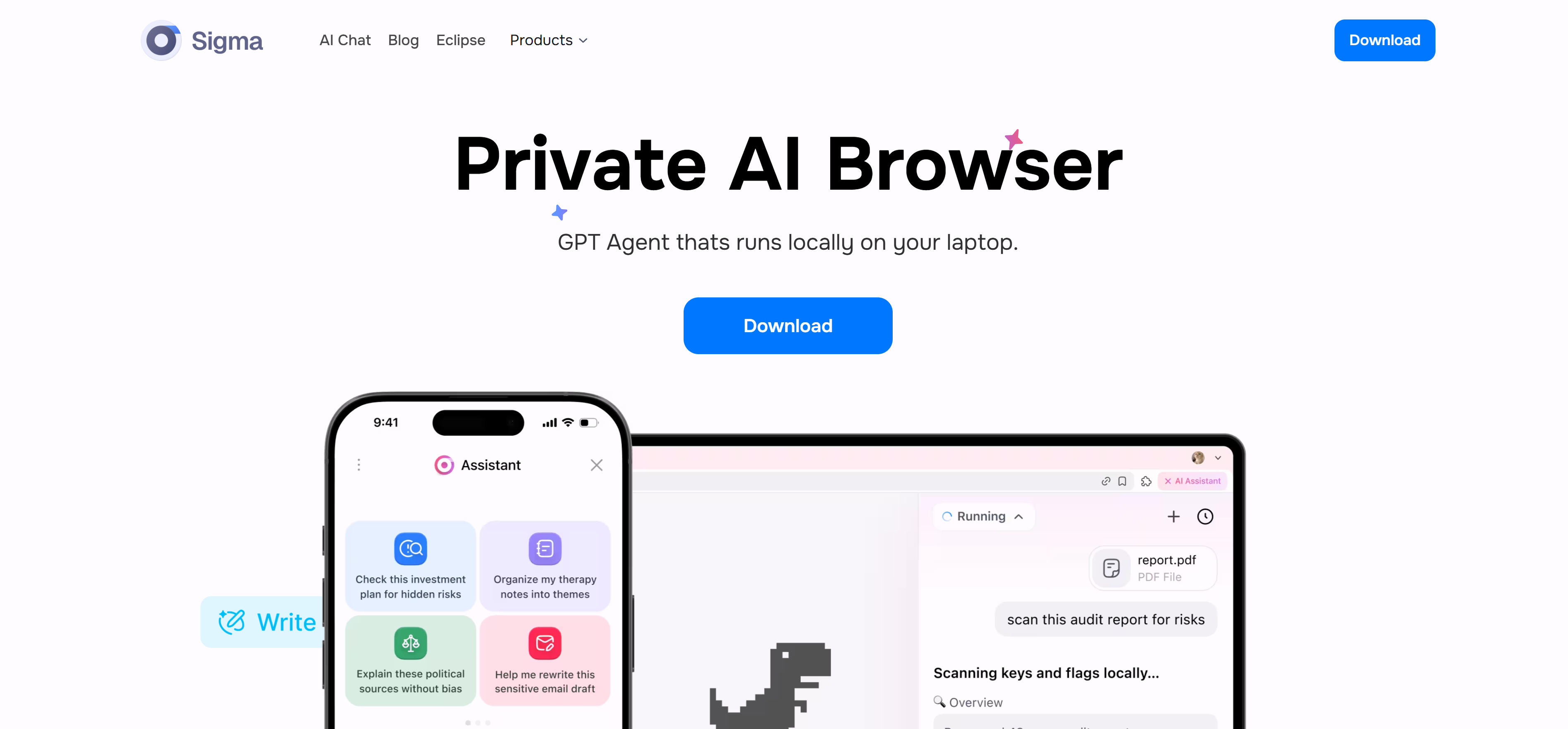
Sigma Browser is an AI browser emphasizing privacy protection, featuring locally running GPT agents that can execute various tasks on users' laptops. Sigma's AI agents can perform tasks within websites like logging in, filling forms, extracting data, similar to an autopilot for websites. Sigma suits users needing privacy protection and local AI processing, providing strong local AI capabilities ensuring user data isn't uploaded to the cloud. The tool also supports multiple application scenarios including memory operations, booking and checkout, data extraction, email cleanup, and more. Sigma's local AI processing and privacy protection features make it ideal for users needing data security, helping users complete various web tasks while protecting user privacy.
Traditional Browsers with AI Features
Traditional browsers provide intelligent features by integrating AI services. While not as deeply integrated as native AI browsers, they still offer practical AI assistance. These browsers typically integrate third-party AI services (like Google's Gemini, OpenAI's GPT), adding AI capabilities while maintaining traditional browsing experiences.
1. Chrome: Google Ecosystem Integration
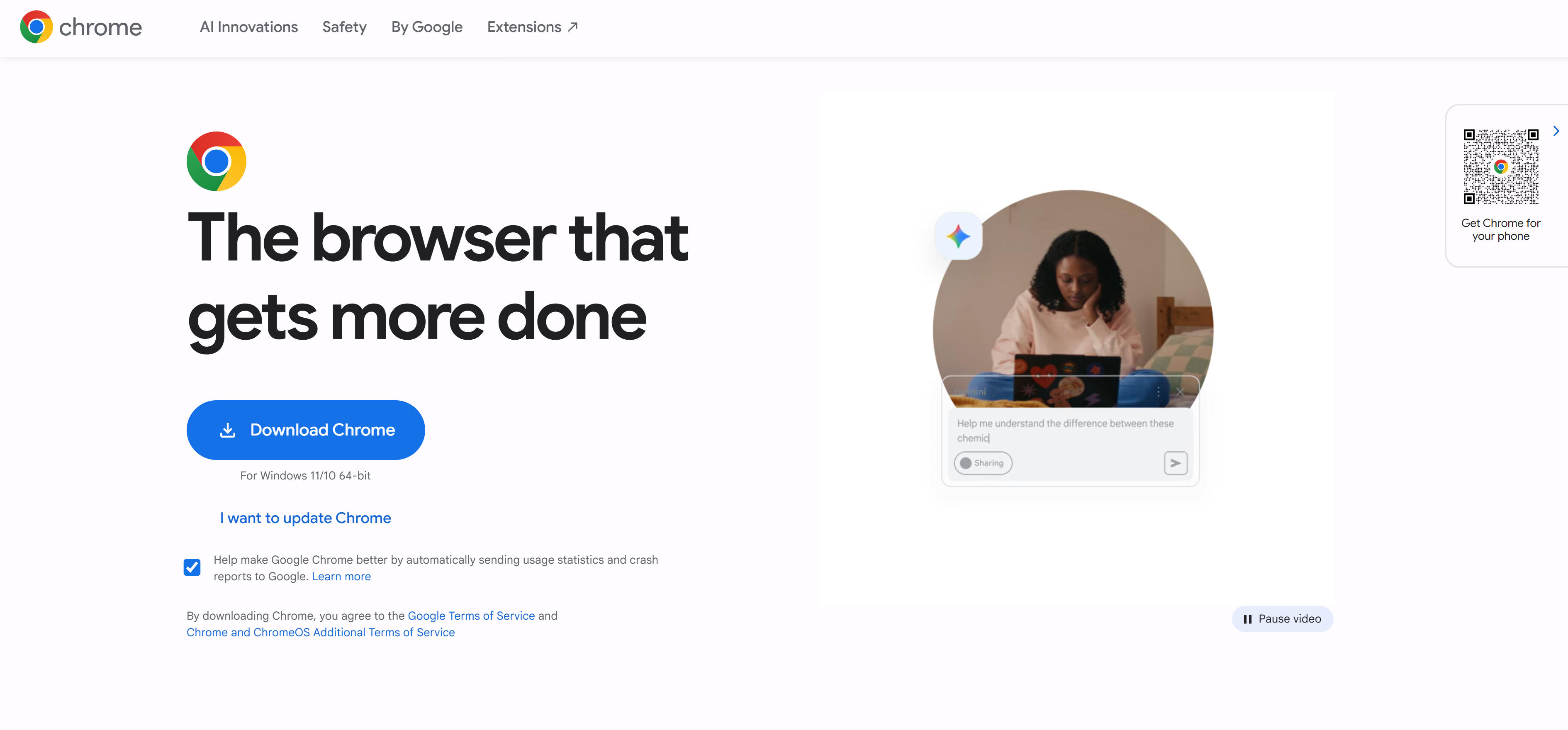
Chrome is Google's browser, providing intelligent features through Gemini AI model integration. Chrome's AI features include intelligent search suggestions, content summaries, writing assistance, and more. Users can access AI assistants through the sidebar for real-time intelligent help. Chrome's AI features suit users needing deep integration with Google's ecosystem, providing seamless integration with Google Search, Gmail, Docs, and other services. The tool also provides AI-generated themes, tab organization, and other features for better browsing management. Chrome's Gemini AI integration makes it ideal for users needing Google ecosystem AI services, helping users quickly access needed information.
2. Quark Browser: Chinese AI Capabilities

Quark Browser is a mobile browser developed by Alibaba, featuring built-in AI assistant functionality for intelligent search, content recommendations, voice interaction, and more. Quark Browser integrates Alibaba's large model technology, understanding Chinese context and providing localized intelligent services. Quark Browser suits Chinese users, providing strong Chinese AI capabilities and localization features. The tool also provides quick search, intelligent cards, content aggregation, and other features to help users quickly access needed information. Quark Browser's Chinese AI capabilities and localization features make it ideal for Chinese users, helping users quickly find needed information.
AI Browser Comparison
Here's a detailed comparison of the top AI browsers to help you choose the best solution for your needs:
Use Cases: AI Browser Applications
AI browsers play important roles across multiple fields, from information research to task automation, from content creation to data analysis.
Information Research and Analysis
Browsers automatically search relevant information, generate research reports, and provide source citations. These tools suit academic research, market analysis, and competitor research, significantly improving research efficiency while enabling comprehensive information gathering and analysis.
Task Automation
Browsers automatically execute data collection, form filling, email management, and other repetitive tasks. These tools suit users handling large amounts of repetitive work, significantly improving work efficiency while reducing manual effort and human error.
Content Creation and Learning
Browsers provide writing assistance, content summaries, and learning support. These tools suit content creators, students, and researchers, providing real-time AI help that enhances productivity and learning outcomes while enabling more efficient content creation workflows.
Data Collection and Analysis
AI browsers automate data collection from websites, extracting information and organizing it into structured formats. The technology enables efficient data gathering for research, market analysis, and business intelligence, reducing manual data entry time and improving accuracy.
Productivity Enhancement
AI browsers enhance productivity by automating routine web tasks, providing intelligent suggestions, and streamlining workflows. The technology helps users focus on high-value work while AI handles repetitive browsing and data collection tasks.
How to Choose AI Browsers
Choose the right tool based on your specific needs, quality requirements, budget, and ease of use.
1. Evaluate Your Needs
Clarify usage needs: deep information research requires AI-powered search and summarization capabilities; task automation needs browser automation and workflow features; content creation benefits from AI-assisted writing and editing; traditional browsing requires standard web navigation. Match browser capabilities to your primary use case.
2. Assess Output Quality
Evaluate technical ability: non-technical users benefit from simple interfaces with minimal configuration; users with some technical background can leverage advanced features with moderate learning curve; technical users can maximize customization and automation capabilities. Match browser complexity to your technical comfort level.
3. Consider Budget and Pricing
Evaluate privacy protection needs: users needing local processing benefit from browsers with on-device AI capabilities; users accepting cloud processing can use cloud-based AI browsers with advanced features; users needing ecosystem integration benefit from browsers integrated with specific platforms. Match privacy requirements to your data handling preferences.
4. Evaluate Usability
Evaluate browser platform support: desktop users can choose desktop browsers with full feature sets; mobile users need mobile browsers optimized for touch interfaces; users needing cross-platform sync benefit from multi-platform browsers with cloud synchronization. Match platform support to your device usage patterns.
5. Check Feature Completeness
Evaluate language support needs: users requiring specific language optimization benefit from browsers optimized for those languages; multilingual users need browsers with comprehensive language support. Match language capabilities to your content and communication requirements.
Conclusion
AI browsers are enhancing web browsing experiences, providing users with exceptional intelligent and automated capabilities. From native AI browsers like ChatGPT Atlas and Fellou to traditional browsers with built-in AI features like Chrome and Quark, these browsers cover the complete range from intelligent search to task automation, significantly improving browsing efficiency and productivity.
Choose the right browser based on your needs: native AI browsers like Perplexity Comet and ChatGPT Atlas for deep information research, task automation tools like Fellou and Strawberry Browser for workflow management, traditional browsers with AI features like Chrome for ecosystem integration. Evaluate usage scenarios, technical requirements, privacy needs, and platform support to select the most suitable solution.
AI browsers should serve as collaborative partners, not complete replacements for manual operations. They excel at handling repetitive work, intelligent data processing, and automated task execution, while humans remain essential for creative thinking, strategic decision-making, and quality control. This collaboration maximizes browsing efficiency while maintaining user control and creative focus.