什么是AI幻灯片生成工具
AI幻灯片生成工具是一种利用人工智能技术来自动创建演示文稿的工具。这些工具可以根据用户提供的主题、文本和图片,智能地生成视觉效果出色、结构合理的幻灯片,使用户能够快速制作专业的PPT演示文稿。与传统的AI设计工具相比,AI幻灯片生成工具专门针对演示文稿制作优化,能够理解演示逻辑、自动生成内容结构、优化视觉布局,并支持多种演示场景。
与传统幻灯片制作工具相比,AI幻灯片生成工具的核心优势在于能够自动生成内容、智能优化布局、提供丰富的模板资源,并支持多种输出格式。这些工具不仅能够从零开始生成完整的演示文稿,还能对现有幻灯片进行智能编辑、添加动画效果、优化配色方案等操作。现代AI幻灯片生成工具已经能够生成非常专业的演示文稿,在内容结构、视觉设计和演示效果方面都达到了专业水准。
AI幻灯片生成工具的应用场景非常广泛,从商务演示、教育培训、产品发布到学术报告、营销推广等,都能发挥重要作用。这些工具特别适合需要快速制作演示文稿、缺乏设计经验或需要探索多种演示风格的用户。需要注意的是,AI工具在幻灯片制作中应该作为协作伙伴,而非人类创造力的替代品,它们处理技术和重复性工作,让用户能够专注于内容创作和演示策略。
AI幻灯片生成技术概述
现代AI幻灯片生成技术基于深度学习和自然语言处理模型,能够理解文本内容、学习演示逻辑,并自动生成符合演示原则的幻灯片内容。与传统幻灯片制作技术相比,AI幻灯片生成技术在创作效率、质量稳定性和功能多样性方面都有显著提升。
AI幻灯片生成技术的核心优势包括:理解能力(能够理解自然语言描述、演示主题和内容结构)、生成能力(能够自动生成幻灯片内容、布局和视觉元素)、学习能力(能够从大量演示文稿数据中学习演示逻辑和设计规律)、优化能力(能够根据用户反馈自动优化幻灯片质量和视觉效果)。不同类型的AI幻灯片生成工具采用不同的技术架构:内容生成工具主要依赖自然语言处理和文本生成技术,布局优化工具使用图像识别和排版算法,模板匹配工具结合模板库和智能推荐系统,通用Agent工具则整合了多模态AI和自动化工作流。
随着AI技术的不断发展,AI幻灯片生成工具的能力也在持续提升。模型规模的扩大、训练数据的增加、算法优化等因素,都在推动AI幻灯片生成工具生成质量的提升。同时,多模态AI技术的发展,使得单一工具能够同时处理文本、图像、布局等多种元素,进一步简化了演示文稿制作流程。这些技术进步不仅提升了AI幻灯片生成工具的输出质量,也扩展了其应用场景,让AI幻灯片生成工具从辅助工具升级为创作伙伴。
2025年最好的AI幻灯片生成工具
以下是2025年最值得推荐的专业AI幻灯片生成工具,这些工具专门为演示文稿制作设计,能够生成专业质量的幻灯片内容,支持多种演示场景和输出格式,特别适合需要快速制作高质量演示文稿的用户。
1. Canva
Canva是一款功能强大的在线设计工具,支持创建各种类型的幻灯片和演示文稿。Canva拥有超过100万个专业设计的模板,涵盖商务、教育、营销、产品发布等多种场景,用户可以通过简单的拖放操作快速创建专业的演示文稿。
Canva的核心特点包括丰富的模板库、强大的编辑功能和多种输出格式支持。工具提供了AI辅助设计功能,能够自动推荐配色方案、字体组合和布局样式,帮助用户快速创建视觉效果出色的幻灯片。Canva还支持团队协作功能,多人可以同时编辑同一演示文稿,大大提升了团队工作效率。
Canva提供免费版和付费版,免费版包含基本功能和有限模板,付费版(Canva Pro)提供更多高级功能、无限制模板访问和品牌工具包。对于需要快速制作专业演示文稿的用户,Canva提供了完整的解决方案,无论是个人用户还是企业团队,都能找到适合的方案。
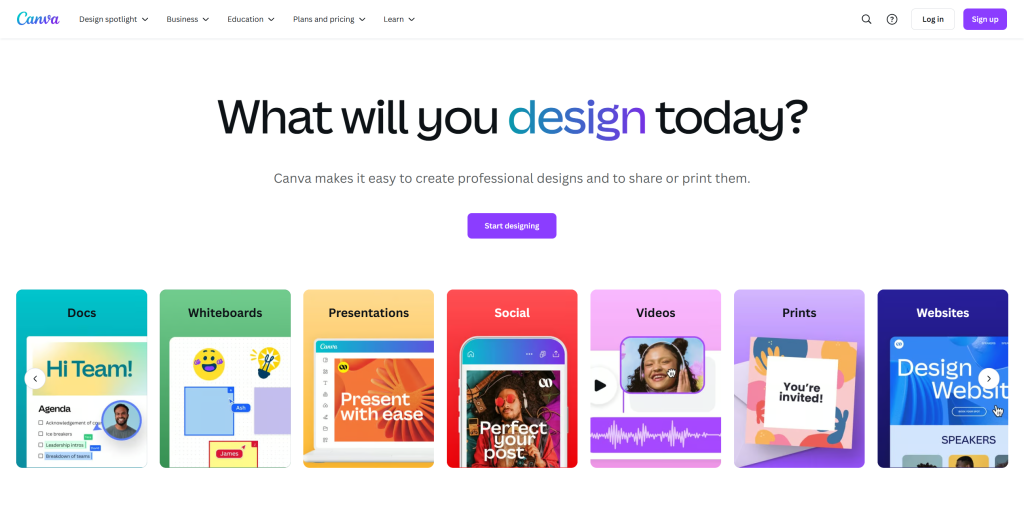
Canva特别适合需要快速制作专业演示文稿的用户,无论是商务演示、教育培训还是营销推广,都能找到合适的模板和工具。其丰富的模板库和强大的编辑功能,让没有设计经验的用户也能轻松创建高质量的演示文稿。
2. Gamma
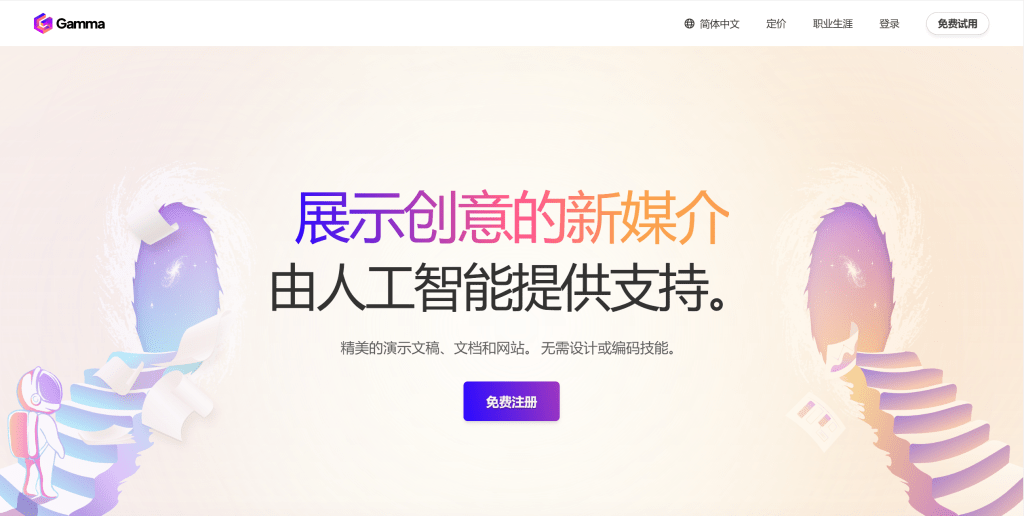
Gamma是一款创新的AI幻灯片生成工具,专注于通过AI技术快速生成专业的演示文稿。Gamma的核心特点是能够根据用户输入的主题和内容,自动生成完整的演示文稿结构,包括标题、内容、图表和视觉元素,大大缩短了演示文稿制作时间。
Gamma提供了多种模板和设计选项,适合快速制作专业幻灯片。工具支持文本到幻灯片、文档到幻灯片等多种生成模式,用户只需输入主题或上传文档,Gamma就能自动生成结构合理、视觉美观的演示文稿。Gamma还提供了实时编辑功能,用户可以随时调整内容、修改布局和优化视觉效果。
Gamma特别适合需要快速制作演示文稿的用户,无论是商务演示、产品发布还是学术报告,都能提供高效的解决方案。工具提供了免费版和付费版,免费版包含基本功能,付费版提供更多高级功能和模板。对于需要频繁制作演示文稿的用户,Gamma提供了强大的AI辅助功能,能够显著提升工作效率。
Gamma的AI生成能力使其成为快速制作演示文稿的理想选择。其自动生成内容结构、智能推荐设计元素的功能,让用户能够专注于内容创作,而不用担心设计和布局问题。对于需要快速迭代和探索多种演示风格的项目,Gamma提供了强大的工具支持。
3. Tome
Tome是一款创新的AI幻灯片生成工具,支持通过AI生成内容和视觉元素。Tome的核心特点是能够理解用户的演示意图,自动生成符合演示逻辑的幻灯片内容,并提供丰富的视觉元素和动画效果,让演示文稿更加生动有趣。
Tome提供了多种生成模式,包括文本到幻灯片、图像到幻灯片、文档到幻灯片等,用户可以根据不同的输入方式快速生成演示文稿。工具还支持实时协作功能,多人可以同时编辑同一演示文稿,大大提升了团队协作效率。Tome的AI生成能力不仅限于内容生成,还包括视觉元素推荐、布局优化和动画效果添加。
Tome特别适合需要创建动态演示文稿的用户,无论是产品演示、故事叙述还是创意展示,都能提供强大的支持。工具提供了免费版和付费版,免费版包含基本功能,付费版提供更多高级功能和模板。对于需要创建引人入胜的演示文稿的用户,Tome提供了完整的解决方案。
Tome的AI生成能力和动态演示功能使其成为创建引人入胜演示文稿的理想选择。其理解演示意图、自动生成内容和视觉元素的功能,让用户能够专注于故事叙述和创意表达,而不用担心技术实现问题。
4. Beautiful.ai
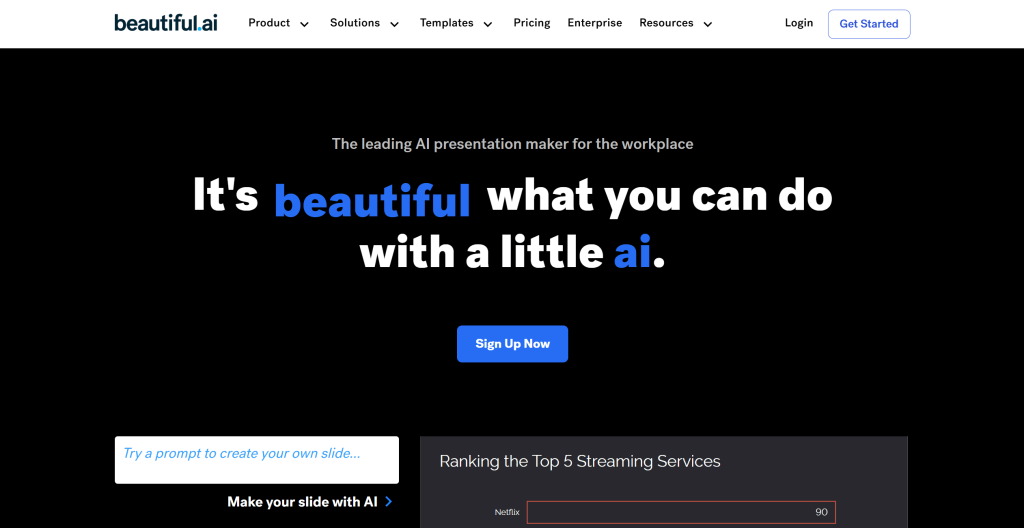
Beautiful.ai是一款以其智能设计功能著称的AI幻灯片生成工具,能够自动调整幻灯片布局、优化视觉效果和推荐设计元素。Beautiful.ai的核心特点是智能设计引擎,能够根据内容自动调整布局、配色和字体,确保每张幻灯片都符合设计原则和视觉美学。
Beautiful.ai提供了多种智能模板和设计选项,用户只需输入内容,工具就能自动生成视觉效果出色的幻灯片。工具还支持实时设计建议功能,当用户添加或修改内容时,Beautiful.ai会自动提供设计建议,帮助用户优化视觉效果。Beautiful.ai的设计引擎基于设计原则和最佳实践,能够确保生成的幻灯片既美观又专业。
Beautiful.ai特别适合需要创建专业演示文稿的用户,无论是商务演示、产品发布还是投资路演,都能提供强大的设计支持。工具提供了免费版和付费版,免费版包含基本功能,付费版提供更多高级功能和模板。对于注重设计质量和专业形象的用户,Beautiful.ai提供了理想的解决方案。
Beautiful.ai的智能设计引擎使其成为创建专业演示文稿的理想选择。其自动调整布局、优化视觉效果的功能,让用户能够专注于内容创作,而不用担心设计问题。对于需要快速创建高质量演示文稿的用户,Beautiful.ai提供了强大的工具支持。
5. Slidesgo
Slidesgo是一款提供丰富模板选择的AI幻灯片生成工具,适合各类演示需求。Slidesgo拥有超过1000个专业设计的模板,涵盖商务、教育、营销、医疗、科技等多种行业和场景,用户可以根据需求快速找到合适的模板。
Slidesgo提供了AI驱动的模板推荐功能,能够根据用户输入的主题和内容,自动推荐最合适的模板和设计元素。工具还支持在线编辑功能,用户可以直接在浏览器中编辑幻灯片,无需下载软件。Slidesgo的模板库持续更新,确保用户能够获得最新的设计趋势和样式。
Slidesgo特别适合需要快速找到合适模板的用户,无论是商务演示、教育培训还是营销推广,都能找到合适的模板。工具提供了免费版和付费版,免费版包含基本模板,付费版提供更多高级模板和功能。对于需要多样化演示风格的用户,Slidesgo提供了丰富的选择。
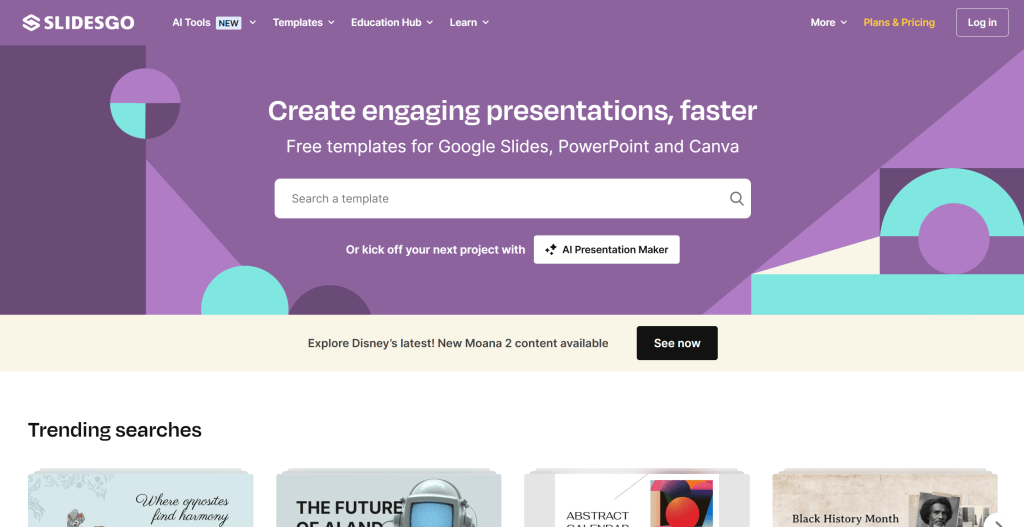
Slidesgo的丰富模板库使其成为快速找到合适演示文稿模板的理想选择。其AI驱动的模板推荐功能,能够帮助用户快速找到最合适的模板和设计元素,大大缩短了演示文稿制作时间。
6. Fotor
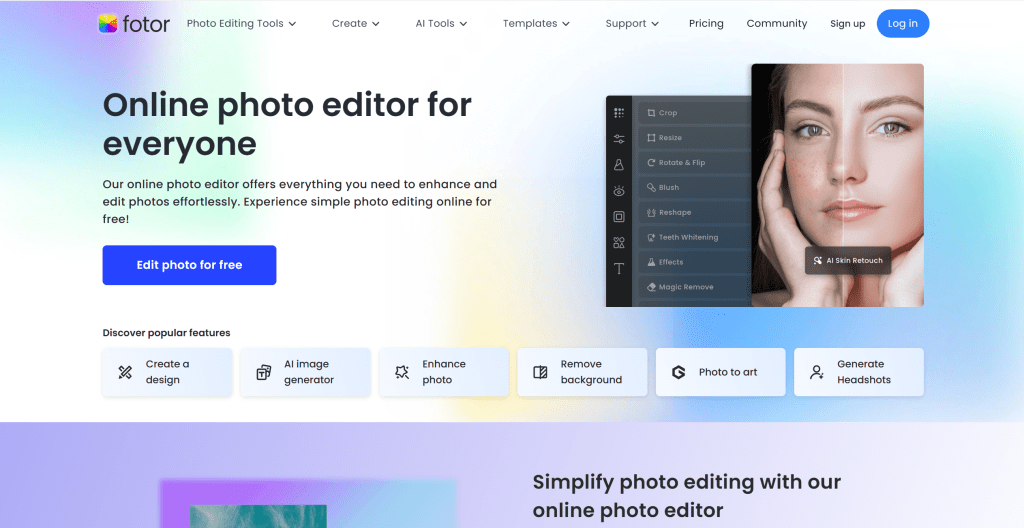
Fotor是一款在线设计工具,支持创建幻灯片和其他视觉内容。Fotor提供了强大的图像编辑功能和设计工具,用户可以使用这些工具创建视觉效果出色的幻灯片。Fotor的核心特点是图像处理能力,能够帮助用户优化幻灯片中的图片和视觉元素。
Fotor提供了多种设计模板和工具,用户可以使用这些工具快速创建专业的演示文稿。工具还支持AI图像增强功能,能够自动优化图片质量、调整色彩和对比度,确保幻灯片中的视觉元素达到最佳效果。Fotor的设计工具包括文本编辑、图形绘制、滤镜效果等,为用户提供了完整的创作工具集。
Fotor特别适合需要处理大量图片和视觉元素的用户,无论是产品演示、图片展示还是视觉报告,都能提供强大的支持。工具提供了免费版和付费版,免费版包含基本功能,付费版提供更多高级功能和模板。对于需要创建视觉丰富的演示文稿的用户,Fotor提供了理想的解决方案。
Fotor的图像处理能力使其成为创建视觉丰富演示文稿的理想选择。其AI图像增强功能和强大的设计工具,能够帮助用户优化幻灯片中的视觉元素,确保演示文稿的视觉效果达到最佳水平。
7. Prezi
Prezi是一款提供动态演示功能的AI幻灯片生成工具,适合需要创造性展示的用户。Prezi的核心特点是动态演示效果,能够创建非线性的演示体验,让观众通过缩放和平移的方式探索演示内容,提供更加互动和引人入胜的演示体验。
Prezi提供了多种动态模板和设计选项,用户可以使用这些工具创建独特的演示文稿。工具还支持AI辅助内容生成功能,能够根据用户输入的主题自动生成演示内容结构。Prezi的动态演示功能特别适合需要展示复杂信息、讲述故事或进行创意展示的场景。
Prezi特别适合需要创建创新演示体验的用户,无论是产品发布、故事叙述还是创意展示,都能提供强大的支持。工具提供了免费版和付费版,免费版包含基本功能,付费版提供更多高级功能和模板。对于需要突破传统幻灯片限制的用户,Prezi提供了理想的解决方案。
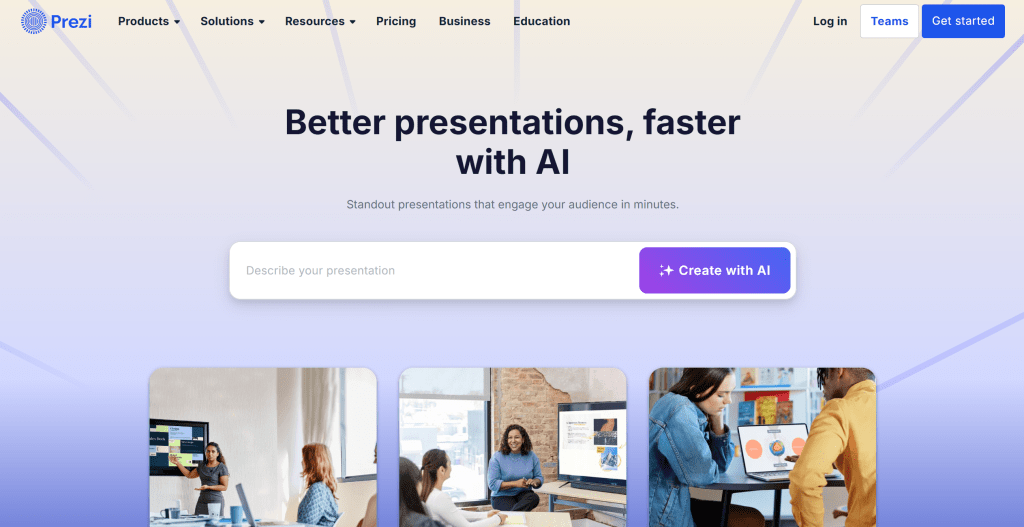
Prezi的动态演示功能使其成为创建创新演示体验的理想选择。其非线性演示方式和互动探索功能,能够为观众提供更加引人入胜的演示体验,特别适合需要展示复杂信息或讲述故事的场景。
8. Presentations AI
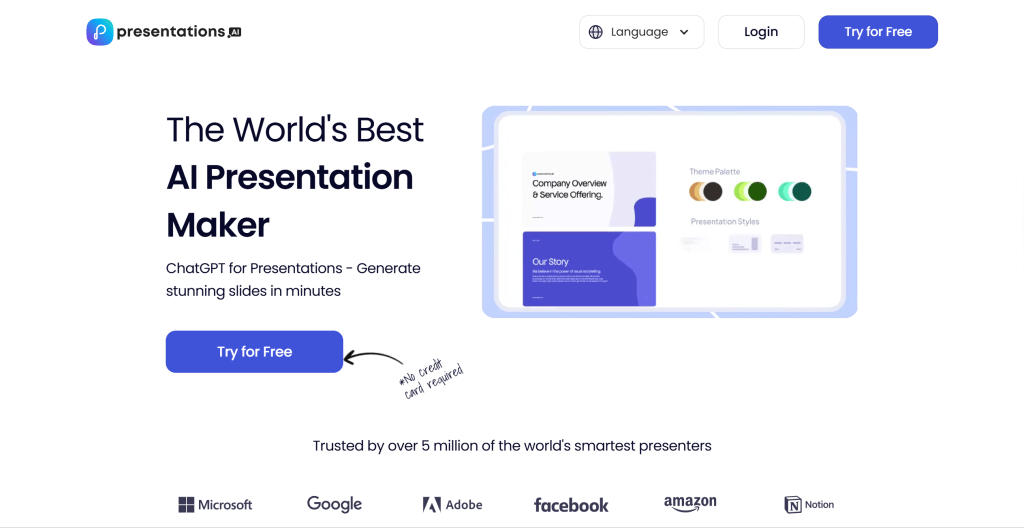
Presentations AI是一款通过AI技术帮助用户快速生成幻灯片的工具。Presentations AI的核心特点是AI驱动的内容生成和设计优化,能够根据用户输入的主题和需求,自动生成完整的演示文稿,包括内容结构、视觉元素和设计布局。
Presentations AI提供了多种生成模式,包括文本到幻灯片、文档到幻灯片、主题到幻灯片等,用户可以根据不同的输入方式快速生成演示文稿。工具还支持实时编辑和优化功能,用户可以随时调整内容、修改布局和优化视觉效果。Presentations AI的AI引擎基于大量演示文稿数据训练,能够理解演示逻辑和设计原则,生成符合专业标准的演示文稿。
Presentations AI特别适合需要快速生成演示文稿的用户,无论是商务演示、教育培训还是产品发布,都能提供高效的解决方案。工具提供了免费版和付费版,免费版包含基本功能,付费版提供更多高级功能和模板。对于需要频繁制作演示文稿的用户,Presentations AI提供了强大的AI辅助功能。
Presentations AI的AI驱动能力使其成为快速生成演示文稿的理想选择。其自动生成内容结构、优化设计布局的功能,让用户能够专注于内容创作和演示策略,而不用担心技术实现问题。
通用AI Agent工具
除了专门为幻灯片制作设计的工具外,市场上还有一些通用AI Agent工具也擅长制作PPT和演示文稿。这些工具采用多代理架构,能够处理各种专门任务,包括演示文稿制作。虽然它们不是专门为幻灯片制作设计,但在内容生成、结构优化和自动化工作流方面提供了强大的支持。
通用AI Agent工具的核心优势在于其多任务处理能力和自动化工作流。这些工具能够理解用户的复杂需求,自动分解任务,调用不同的AI代理完成不同的工作,最终生成完整的演示文稿。与专门的幻灯片工具相比,通用Agent工具更适合需要处理多种任务、集成不同工具或需要高度定制化的场景。
1. Genspark
Genspark是一款强大的多代理AI工具,能够处理各种专门任务,包括创建PPT和演示文稿。Genspark采用多代理架构,不同的AI代理负责不同的任务,如内容生成、结构优化、视觉设计等,最终协同完成演示文稿的制作。
Genspark的核心特点是多代理协作和自动化工作流。用户只需输入主题或需求,Genspark就能自动分解任务,调用不同的AI代理完成内容生成、结构优化、视觉设计等工作,最终生成完整的演示文稿。工具还支持多种输入方式,包括文本、文档、链接等,能够从不同来源提取信息并生成演示文稿。
Genspark特别适合需要处理复杂任务、集成不同工具或需要高度定制化的用户。其多代理架构使其能够处理各种专门任务,不仅限于演示文稿制作,还包括内容创作、数据分析、自动化工作流等。对于需要一站式AI解决方案的用户,Genspark提供了强大的支持。
Genspark AI Agent工具界面图片
(需要添加实际截图)
Genspark的多代理架构使其成为处理复杂演示文稿制作任务的理想选择。其自动化工作流和多种输入方式支持,能够帮助用户快速生成高质量的演示文稿,特别适合需要处理多种任务或需要高度定制化的场景。
2. Manus
Manus是一款AI Agent工具,专门擅长生成完整的PowerPoint演示文稿。Manus的核心特点是能够从多种来源提取信息,包括邮件、Slack对话、文档等,自动生成演示文稿。用户只需描述主题或提供相关文档,Manus就能在几分钟内生成演示就绪的幻灯片。
Manus结合了AI智能和强大的自动化工具,能够将任何想法转化为令人印象深刻的演示文稿。工具提供了100多个专业模板,涵盖商务、教育、营销等多种场景。Manus的AI引擎能够理解内容结构、提取关键信息、优化演示逻辑,并自动生成符合专业标准的幻灯片。
Manus特别适合需要从现有文档或对话中快速生成演示文稿的用户。其多来源信息提取能力,使其能够从邮件、Slack对话、文档等不同来源提取信息,自动生成演示文稿。对于需要快速将想法转化为演示文稿的用户,Manus提供了高效的解决方案。
Manus的多来源信息提取能力使其成为快速生成演示文稿的理想选择。其从邮件、Slack对话、文档等不同来源提取信息并生成演示文稿的功能,能够帮助用户快速将想法转化为专业的演示文稿,大大提升了工作效率。
Manus AI Agent工具界面图片
(需要添加实际截图)
AI幻灯片生成工具对比
以下是主流AI幻灯片生成工具的详细对比,帮助您快速了解各工具的特点、应用场景和适用性:
| 工具名称 | 核心特点 | 主要应用场景 | 定价模式 |
|---|---|---|---|
| Canva | 丰富模板库、强大编辑功能、团队协作 | 商务演示、教育培训、营销推广 | 免费版 + 付费版(Canva Pro) |
| Gamma | AI自动生成、多种生成模式、实时编辑 | 快速制作、产品发布、学术报告 | 免费版 + 付费版 |
| Tome | AI生成内容、动态演示、实时协作 | 产品演示、故事叙述、创意展示 | 免费版 + 付费版 |
| Beautiful.ai | 智能设计引擎、自动布局优化、设计建议 | 商务演示、产品发布、投资路演 | 免费版 + 付费版 |
| Slidesgo | 丰富模板库、AI推荐、在线编辑 | 多样化演示风格、快速模板选择 | 免费版 + 付费版 |
| Fotor | 图像处理、AI图像增强、设计工具 | 产品演示、图片展示、视觉报告 | 免费版 + 付费版 |
| Prezi | 动态演示、非线性展示、互动探索 | 产品发布、故事叙述、创意展示 | 免费版 + 付费版 |
| Presentations AI | AI驱动生成、多种输入模式、实时优化 | 商务演示、教育培训、产品发布 | 免费版 + 付费版 |
| Genspark | 多代理架构、自动化工作流、多任务处理 | 复杂任务、集成工具、高度定制化 | 订阅制 |
| Manus | 多来源提取、专业模板、快速生成 | 从文档生成、快速转化想法 | 订阅制 |
应用场景
AI幻灯片生成工具在多个领域都能发挥重要作用,从商务演示到教育培训,从产品发布到学术报告,AI工具能够大大提升演示文稿制作效率和创作可能性。
商务演示
- 产品发布:AI工具能够快速生成产品发布演示文稿,包括产品介绍、功能特点、市场定位等内容,帮助团队快速准备产品发布活动。
- 投资路演:AI工具能够生成专业的投资路演演示文稿,包括商业模式、市场分析、财务预测等内容,帮助创业者更好地展示项目价值。
- 商务汇报:AI工具能够快速生成商务汇报演示文稿,包括工作总结、数据分析、未来计划等内容,提升汇报效率和质量。
教育培训
- 课程教学:AI工具能够快速生成课程教学演示文稿,包括课程大纲、知识点讲解、案例分析等内容,帮助教师提升教学效率。
- 培训材料:AI工具能够生成企业培训演示文稿,包括培训内容、操作指南、案例分析等内容,帮助培训师快速准备培训材料。
- 学术报告:AI工具能够生成学术报告演示文稿,包括研究背景、研究方法、研究结果等内容,帮助研究人员更好地展示研究成果。
营销推广
- 营销方案:AI工具能够快速生成营销方案演示文稿,包括市场分析、营销策略、执行计划等内容,帮助营销团队快速制定营销方案。
- 品牌展示:AI工具能够生成品牌展示演示文稿,包括品牌故事、品牌价值、产品介绍等内容,帮助品牌更好地展示品牌形象。
- 活动推广:AI工具能够生成活动推广演示文稿,包括活动介绍、活动亮点、参与方式等内容,帮助活动组织者更好地推广活动。
如何选择AI幻灯片生成工具
选择AI幻灯片生成工具时,需要考虑多个因素,包括使用场景、功能需求、设计风格、成本预算等。以下是选择AI幻灯片生成工具时需要考虑的关键因素:
1. 使用场景
首先需要明确使用场景:商务演示需要专业的模板和设计,适合Canva、Beautiful.ai等工具;快速制作需要AI自动生成功能,适合Gamma、Tome、Presentations AI等工具;创意展示需要动态演示效果,适合Prezi等工具;从文档生成需要多来源提取功能,适合Manus等工具。不同工具适合不同场景,明确使用场景是选择工具的第一步。
2. 功能需求
评估工具是否提供所需的所有功能:内容生成(是否需要AI自动生成内容)、模板库(是否需要丰富的模板选择)、设计优化(是否需要自动优化设计)、协作功能(是否需要团队协作)、输出格式(是否需要支持多种输出格式)、集成能力(是否需要集成到现有工作流)。根据功能需求选择提供相应功能的工具。
3. 设计风格
不同工具提供不同的设计风格:专业商务风格适合Canva、Beautiful.ai等工具;现代简约风格适合Gamma、Tome等工具;动态创意风格适合Prezi等工具;多样化风格适合Slidesgo等工具。根据品牌形象和演示需求选择合适的设计风格。
4. 成本预算
不同工具的定价模式差异较大:免费版(许多工具提供免费试用,但通常有限制)、订阅制(按月或按年付费,提供更多功能)、按量付费(按使用量付费,适合偶尔使用的用户)。根据使用频率和预算选择合适的方案,小规模使用可以选择免费版,中等规模使用可以选择订阅制,大规模使用建议选择企业版。
5. 易用性
评估工具的易用性:学习曲线(上手难度如何)、界面友好度(界面是否直观易用)、文档支持(是否有完善的文档和教程)、社区支持(是否有活跃的用户社区)。对于初学者,建议选择界面友好、操作简单的工具,如Canva、Gamma等。
建议先试用2-3个工具,对比后选择最适合的。对于不同的应用场景,可能需要选择不同的工具。例如,商务演示可能更适合Canva、Beautiful.ai,快速制作可能更适合Gamma、Tome,从文档生成可能更适合Manus。重要的是要理解AI工具在幻灯片制作中应该作为协作伙伴,而非人类创造力的替代品,它们处理技术和重复性工作,让用户能够专注于内容创作和演示策略。
结论
AI幻灯片生成工具正在革命性地改变演示文稿制作行业,为创作者提供了前所未有的创作可能性和效率提升。从专业幻灯片工具如Canva、Gamma、Tome,到通用Agent工具如Genspark、Manus,这些工具覆盖了从内容生成到设计优化的完整流程。
对于专业演示文稿制作,专门的AI幻灯片生成工具能够理解演示逻辑、自动生成内容结构、优化视觉布局,并生成专业质量的演示文稿。而对于需要处理多种任务或需要高度定制化的场景,通用AI Agent工具提供了强大的多任务处理能力和自动化工作流。
重要的是要理解,AI工具在幻灯片制作中应该作为协作伙伴,而非人类创造力的替代品。它们处理技术和重复性工作,让用户能够专注于内容创作、演示策略和创意表达。随着AI技术的不断发展,这些工具的能力将持续提升,为演示文稿制作行业带来更多创新和可能性。
无论您是商务人士、教育工作者、内容创作者还是企业用户,选择合适的AI幻灯片生成工具都能显著提升您的工作效率和创作质量。建议根据具体需求、预算和使用场景,充分利用免费试用,实际体验后再做出最适合的选择。