What Are AI Recruiting Tools
AI recruiting tools leverage artificial intelligence to optimize and automate recruitment workflows. These intelligent solutions analyze resumes, assess candidate skills, predict hiring success rates, and provide data-driven recruitment decisions. Compared to traditional recruiting methods, AI tools dramatically improve efficiency, reduce costs, and enhance recruitment quality.
The importance of people search capabilities in recruitment has been highlighted by industry leaders like Exa, which recently released comprehensive people search benchmarks showing that role-based candidate discovery and targeted individual lookups are among the most critical functions for recruitment teams. According to Exa's analysis of 10,000 historical people queries, the three dominant usage patterns are role-based search (executive positions at specific organizations), skill/role-based discovery (finding candidates by expertise and location), and specific individual lookup (name plus optional affiliation).
AI tools have revolutionized recruitment processes, creating comprehensive ecosystems that include candidate discovery, skills evaluation, interview automation, hiring prediction, and employee retention analytics. Leading platforms like Jack & Jill, Clado, and Brix offer rich AI capabilities to help organizations build smarter, more efficient recruitment pipelines.
How AI Recruiting Tools Work
AI recruiting tools utilize machine learning, natural language processing, and predictive analytics to streamline recruitment workflows. The systems first parse resumes and job descriptions using NLP to extract key skills, experience, and qualifications.
Advanced algorithms then calculate candidate-job fit scores and predict hiring success rates. Data analytics engines provide recruitment insights to optimize hiring strategies, creating intelligent, automated recruitment processes.
Best AI Recruiting Tools 2026
1. Lessie: AI Talent Discovery Platform
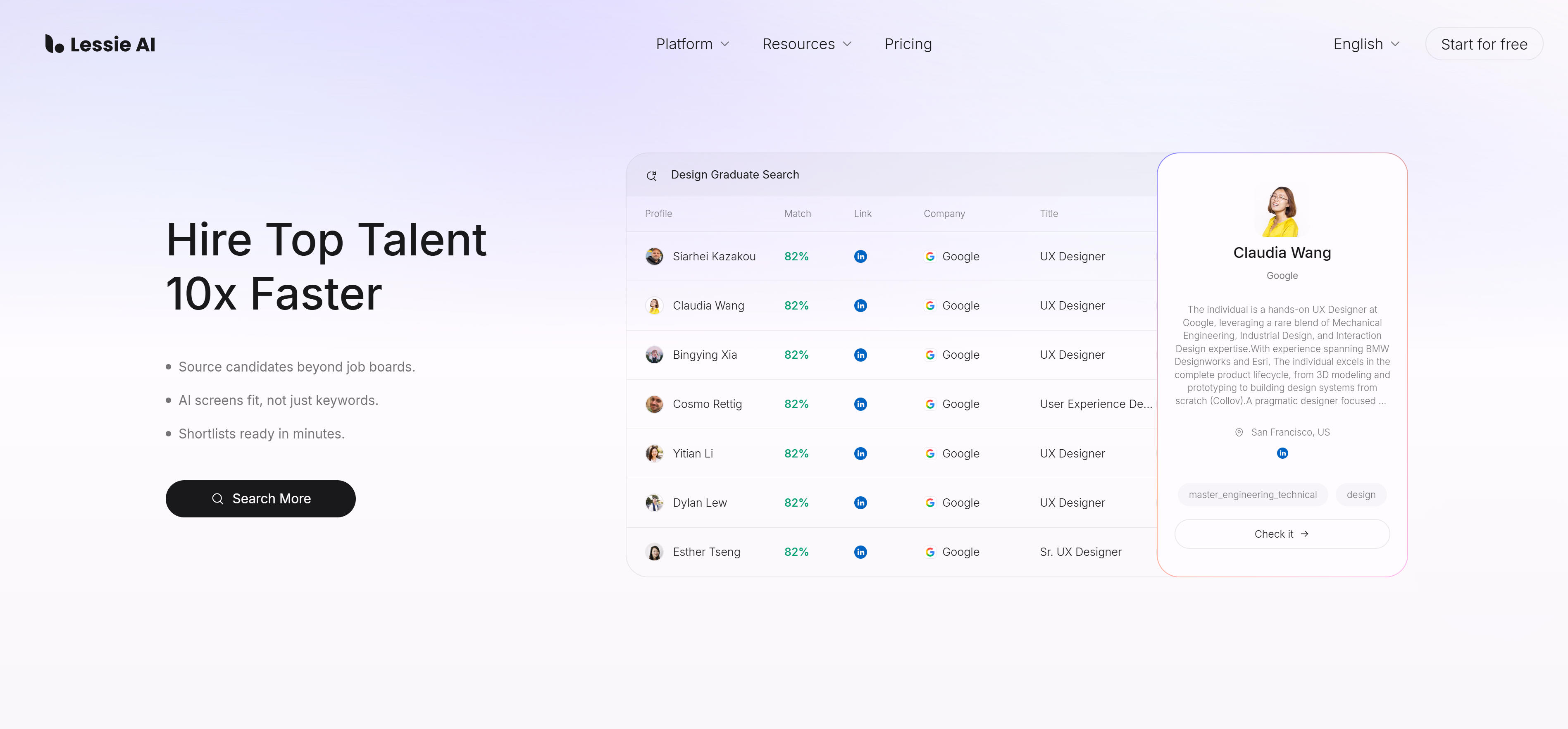
Lessie is a powerful AI talent discovery platform designed specifically for recruitment teams. The platform uses advanced AI to automatically search and identify potential candidates across 15+ platforms including LinkedIn, GitHub, and Stack Overflow. Lessie supports natural language searches, allowing users to describe ideal candidate profiles in everyday language for 95%+ matching accuracy. The platform provides verified contact information including personal and work emails, plus social media profiles. Lessie's AI outreach capabilities generate personalized email sequences and InMail templates, significantly improving candidate response rates. Particularly suitable for technical role recruitment and executive talent sourcing, costing just $39.9/month for unlimited usage.
2. JuiceBox: AI-Powered Recruitment Platform
JuiceBox is a leading AI recruitment platform backed by Sequoia Capital with $36M in funding. The platform integrates search, CRM, and AI agent capabilities, supporting precise talent discovery from 800M+ global profiles. JuiceBox's AI-driven talent insights provide real-time market intelligence to help recruitment teams make informed decisions. The platform supports multi-step automated outreach sequences that can triple response rates. JuiceBox's AI agents run 24/7 in the background, continuously monitoring and discovering qualified candidates. The platform integrates deeply with 40+ ATS and CRM systems including major recruitment and workflow tools. Ideal for enterprises requiring large-scale recruitment, JuiceBox uses AI to significantly improve hiring efficiency and quality in the talent wars.
3. Jack & Jill: Smart Candidate Discovery

Jack & Jill is an AI-driven candidate discovery platform that intelligently searches and identifies potential candidates across multiple channels. The platform uses advanced AI algorithms to analyze LinkedIn, GitHub, Twitter, and other professional platforms, automatically identifying talent with specific skills and experience. Particularly strong in technical recruitment, the platform automatically filters candidates based on job requirements and provides detailed skill assessment reports. Companies can set intelligent search criteria, with the platform continuously monitoring and recommending qualified candidates, greatly expanding recruitment channels and candidate pools.
4. Clado: AI Interview Automation Platform
Clado provides comprehensive AI interview automation solutions, from initial screening to technical assessment to final hiring decisions. The platform supports creating personalized AI interviewers that automatically generate questions based on job requirements and evaluate candidate responses in real-time. Integrated across multiple assessment dimensions including technical skills, communication abilities, problem-solving capacity, and cultural fit. Clado also provides interview data analytics to help recruitment teams identify common characteristics of top candidates and optimize interview processes. Particularly suitable for tech companies and rapidly growing enterprises requiring large-scale recruitment.
5. Brix: Talent Relationship Management
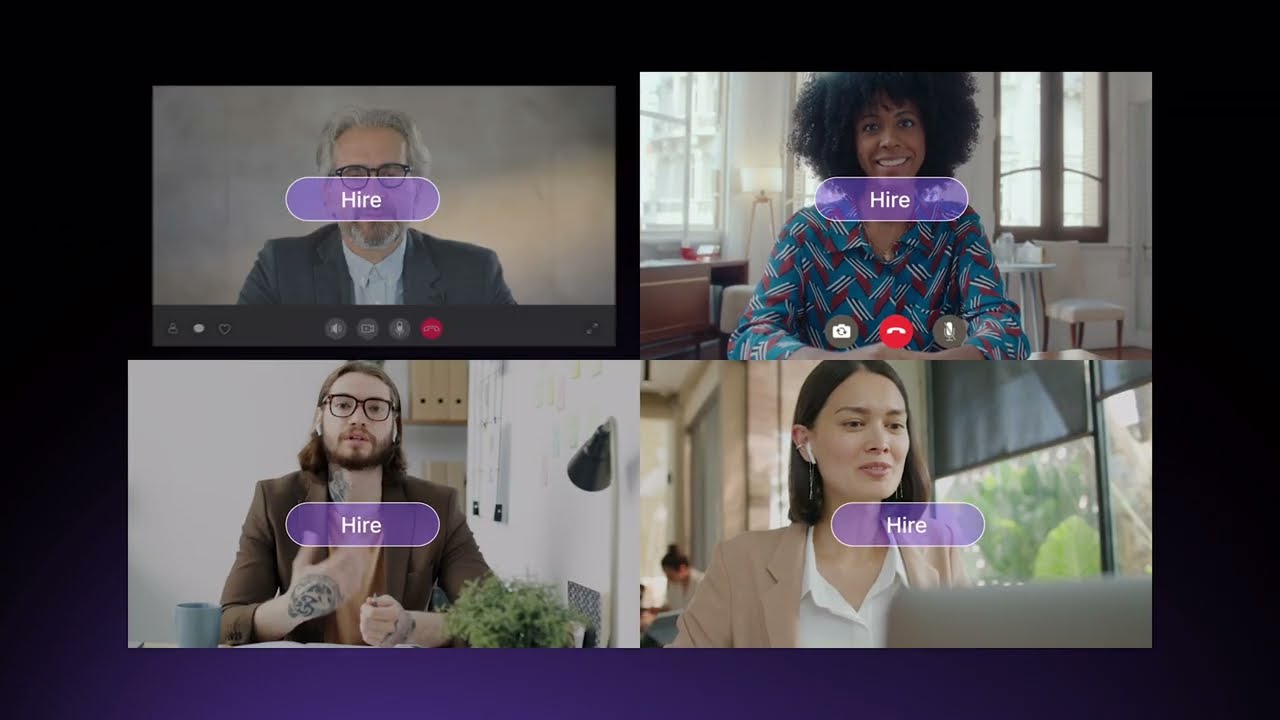
Brix focuses on talent relationship management and candidate experience optimization, building comprehensive candidate journey management systems. The platform analyzes candidate behavior data and feedback to provide personalized recruitment experiences. Brix automatically sends customized communications, tracks candidate status, and predicts hiring intent. The platform offers diverse assessment tools including skill tests, personality evaluations, and cultural fit analysis. Particularly suitable for companies emphasizing employer branding and candidate experience, helping establish positive talent attraction and retention capabilities.
6. Moonhub: AI Recruitment Ecosystem
Moonhub builds a comprehensive AI recruitment ecosystem integrating the complete process from talent discovery to hiring. The platform integrates multiple AI capabilities including intelligent resume parsing, candidate profiling, automated matching algorithms, and predictive analytics. Moonhub emphasizes data-driven recruitment decisions, using machine learning to analyze historical hiring data and predict candidate performance potential and retention likelihood. The platform provides visual recruitment dashboards for real-time progress and effectiveness monitoring. Suitable for medium to large enterprises implementing comprehensive recruitment digitization transformation.
7. Carv: AI Skills Assessment Platform
Carv specializes in AI-driven skills assessment and talent development, providing precise capability measurement and career planning recommendations. The platform uses adaptive testing algorithms that dynamically adjust question difficulty based on candidate performance to ensure accurate real-skill assessment. Carv supports multiple assessment formats including programming challenges, cognitive evaluations, personality analysis, and career interest tests. The platform provides detailed skill development recommendations and learning path suggestions to support joint growth for companies and individuals. Particularly suitable for technical role recruitment and talent development planning, offering 360-degree capability profiles and career development insights.
AI Recruiting Tools Comparison
Use Cases: 5 Practical Applications for AI Recruiting Tools
1. Intelligent Candidate Discovery & Screening
AI recruiting tools intelligently identify potential candidates from vast resume and social media data, automatically filtering qualified talent. Natural language processing technology parses job descriptions and candidate profiles, calculating fit scores and suitability, dramatically improving recruitment efficiency. Organizations can set intelligent search criteria with platforms continuously monitoring markets and recommending suitable candidates, helping discover passive candidates unreachable through traditional recruitment channels.
2. Precise Skills Assessment & Verification
AI tools provide diverse skill testing and assessment methods including coding challenges, cognitive tests, and scenario simulations. Adaptive algorithms dynamically adjust question difficulty based on candidate performance to ensure accurate real-ability assessment. Platforms generate detailed skill profiles and capability reports to help recruitment teams make objective hiring decisions while supporting remote online testing for convenient global candidate participation, enhancing recruitment process flexibility.
3. Interview Process Automation & Optimization
AI interviewers automatically generate targeted questions based on job requirements and provide real-time evaluation and follow-up questioning. Platforms support video interview recording, speech-to-text, and sentiment analysis, delivering multi-dimensional assessment results. Interview data undergoes AI analysis to generate standardized reports, helping recruitment teams identify candidate strengths and weaknesses, improving scientific and consistent interview decision-making.
4. Recruitment Data Analytics & Predictive Insights
AI recruiting tools use machine learning algorithms to analyze historical recruitment data and candidate performance, predicting hiring success rates and new employee retention likelihood. Platforms provide recruitment effectiveness dashboards for real-time monitoring of recruitment metrics, helping organizations optimize hiring strategies. Data-driven insights identify recruitment bottlenecks, improve job descriptions, and predict talent market trends, providing scientific foundations for organizational recruitment decisions.
5. Candidate Experience Personalization & Management
AI tools analyze candidate behavior data and feedback to provide personalized recruitment experiences and communication strategies. Platforms automatically send customized interview invitations, follow-up information, and hiring notifications, enhancing candidate affinity toward organizations. Through intelligent matching algorithms, the most suitable positions are recommended with career development advice provided, helping candidates make informed career choices. Excellent candidate experiences help improve employer brand attractiveness.
How to Choose AI Recruiting Tools
1. Evaluate Recruitment Needs & Scale
First clarify organizational recruitment needs including monthly position numbers, primary recruitment types, and budget. Small businesses may prioritize cost-effectiveness and ease of use, while large enterprises focus on system integration and advanced analytics. Assess current recruitment process pain points to determine core problems AI tools need to solve, laying foundations for appropriate tool selection.
2. Check System Integration Capabilities
Ensure AI recruiting tools seamlessly integrate with existing HR systems, ATS, and recruitment websites. Verify API interface completeness and data synchronization real-time performance. Good integration capabilities avoid data silos and improve overall recruitment process efficiency. Prioritize tools supporting mainstream HR systems to reduce implementation difficulty and maintenance costs.
3. Verify AI Algorithm Accuracy
Test AI tool candidate matching accuracy and prediction precision, reviewing historical data validation results. Understand AI model training datasets and algorithm transparency, choosing fairness-tested and bias-controlled tools. Require suppliers to provide algorithm performance metrics and continuous improvement plans, ensuring AI decision reliability and fairness.
4. Review Data Security & Compliance
Confirm tool data encryption standards, privacy protection measures, and compliance certifications. Verify compliance with GDPR, CCPA, and other data protection regulations, signing data processing agreements. Understand data storage locations and cross-border transmission policies. Prioritize SOC 2 or ISO 27001 certified tools to ensure candidate data and organizational confidential information security.
5. Test User Experience & Support Services
Evaluate tool user interface design, operational convenience, and learning curve. Check mobile adaptation and multi-language support. Examine supplier technical support response speed, training resources, and customer service quality. Choose suppliers providing comprehensive training and continuous technical support to ensure teams quickly master and use tools long-term effectively.
Conclusion
AI recruiting tools have become essential components of modern human resource management, significantly improving recruitment efficiency, quality, and candidate experience. From Jack & Jill's intelligent candidate discovery to Clado's interview automation and Brix's talent relationship management, these tools offer unique features meeting diverse organizational recruitment needs.
When selecting AI recruiting tools, organizations should choose based on recruitment scale, budget, and technical maturity. Begin with small-scale pilots and gradually expand applications. Emphasize data security and algorithm fairness to ensure AI tools truly create value for organizations.