What Are AI Religion Tools
AI religion tools use AI technology to provide spiritual guidance, scripture study, prayer assistance, and devotion support for believers. These tools combine natural language processing, voice recognition, and personalized recommendations, enabling believers to learn scriptures, pray, and receive guidance more conveniently, meeting modern digital religious needs. Core functions include scripture dialogue, prayer assistance, devotion guidance, religious education, and community building. With rising social anxiety and religious needs, AI religion tools have become a hot sector, with successful products like Bible Chat used by over 25 million Christians, and Hallow reaching $60M ARR.
How AI Religion Tools Work
Modern AI religion tools use large language models and deep learning to understand religious texts, answer theological questions, and provide personalized spiritual guidance. These technologies combine natural language processing, knowledge graphs, and personalized recommendations, enabling AI to understand religious doctrines, scripture content, and faith practices, providing accurate, personalized religious services. Core advantages include 24/7 availability, privacy protection, personalized guidance, multilingual support, and cost-effectiveness. Different tools use different architectures: some use large language models for scripture dialogue; some provide audio guidance and meditation; others combine hardware devices for physical interaction. Many tools collaborate with religious leaders and theologians to verify AI answer accuracy.
Best AI Religion Tools 2026
Below are the most recommended AI religion tools for 2026, achieving professional standards in functionality, user experience, and accuracy, especially suitable for believers and organizations needing digital religious services.
1. Confidein: AI Prayer Ring

Confidein is an innovative AI religion tool platform, with its core product being the AI Prayer Ring hardware device. The prayer ring uses NFC technology, supporting quick prayer sending and receiving, enabling believers to communicate prayers through simple touch operations. Confidein also provides a complete AI religion tool suite, including prayer assistance, devotion guidance, and emotion recording.
Confidein's AI prayer ring emphasizes privacy and convenience, enabling believers to pray quietly in crowds, recording emotions and thoughts. The ring works with a mobile app, allowing users to select emotional states. Confidein provides AI-driven spiritual guidance, helping believers grow in faith. Ideal for users needing physical interaction and privacy protection.
2. Bible Chat: World's #1 Faith App
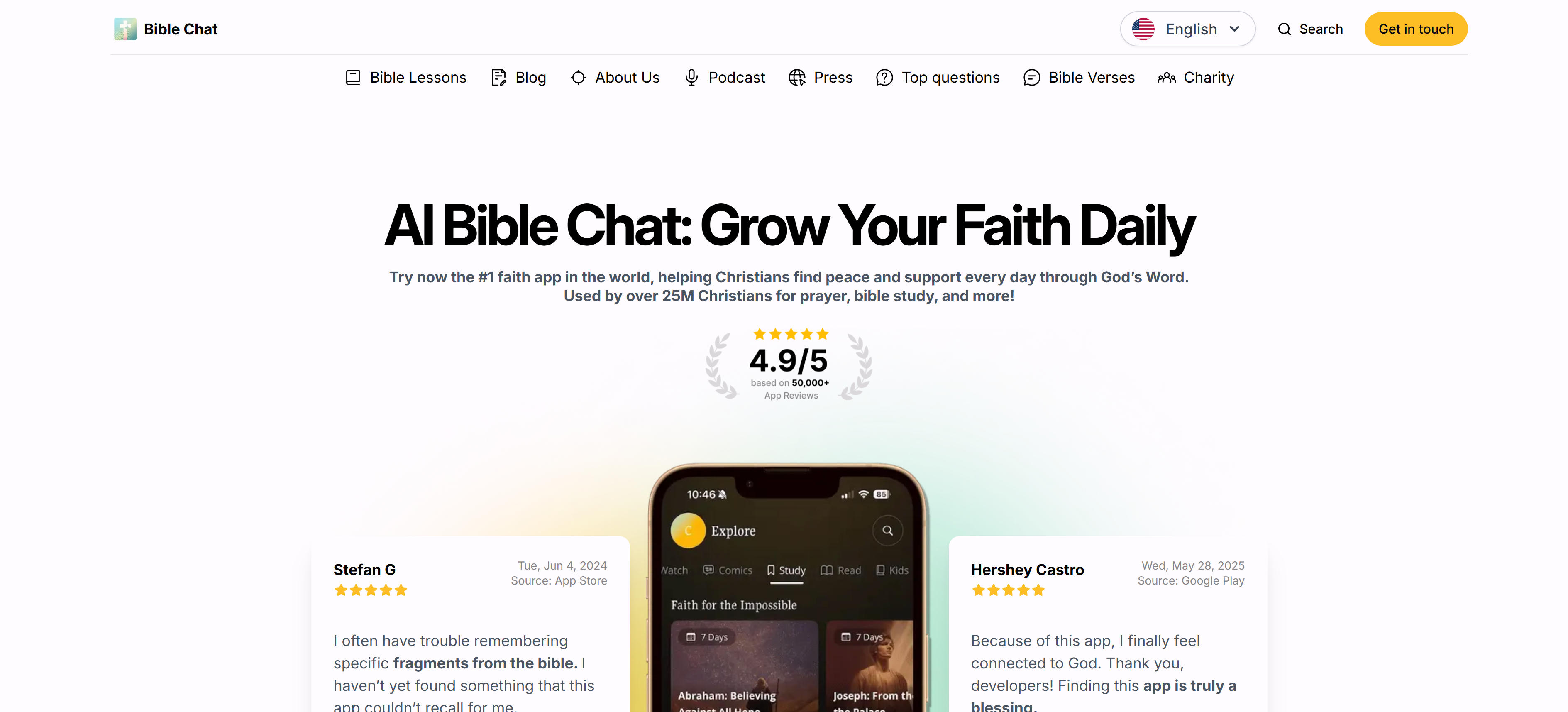
Bible Chat is the world's #1 faith app, used by over 25 million Christians, helping believers find peace and support daily through God's word. Bible Chat's AI is specifically trained on biblical texts, guided by Christian pastors and theologians, ensuring theological accuracy. Provides prayer, devotion, scripture search, and personalized prayer generation, enabling deeper Bible exploration.
Bible Chat offers 2000+ Bible courses, 1000+ scripture collections, scripture finder, Bible Q&A, Bible character studies. 95% of users use it free, including multiple audio Bible translations and study plans. Premium plans offer 7-day free trial, priced at $4.99/week, $12.99/month, or $59.99/year. Ideal for Christians needing daily Bible study and devotion guidance.
3. Hallow: AI Devotion Tool
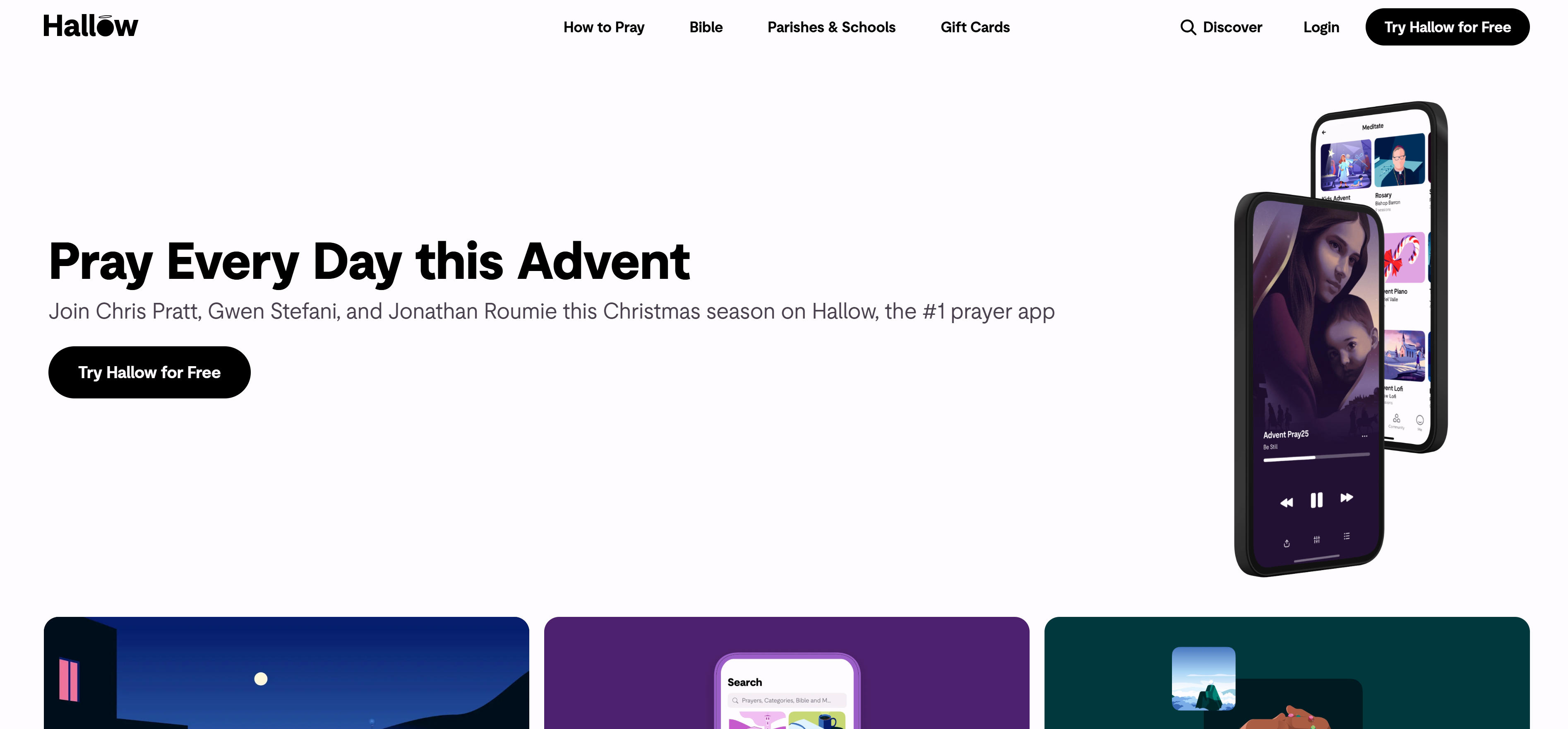
Hallow is an AI-driven devotion and meditation tool, providing a fusion of prayer and meditation. Features 10,000+ audio-guided courses covering various prayer forms, including Christian meditation, lectio divina, rosary. Hallow uses a freemium model with ad partnerships, providing personalized devotion experiences.
Hallow can create AI meditation plans or recommend content, helping users build daily devotion habits. In May 2023, Hallow completed a $50M Series C, with downloads exceeding 10 million and ARR reaching $60M, growing 3.5x annually. Ideal for believers needing daily devotion guidance and meditation support.
4. Gloo: Faith Ecosystem Platform
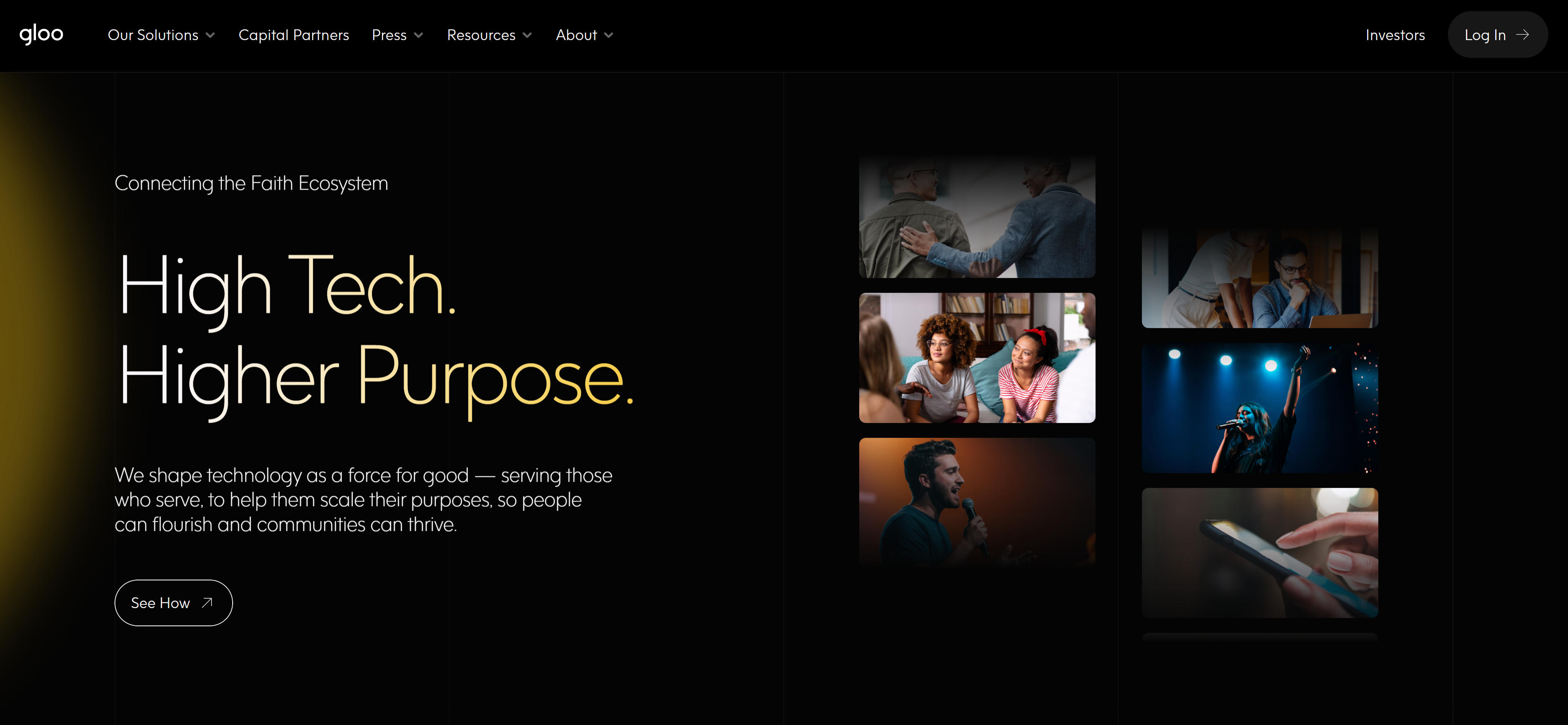
Gloo is a technology platform connecting the faith ecosystem, providing AI-driven content distribution and management tools for churches, religious organizations, and nonprofits. Serves over 140,000 organizations, including 450,000+ churches, church-affiliated ministries, and thousands of non-faith organizations promoting human flourishing. Gloo offers diverse solutions, including AI capabilities, custom 360 services, and enterprise solutions.
Gloo provides values-aligned AI capabilities, addressing wide needs including content distribution, management tools, and data analytics. Also offers Capital Partners program, connecting mission-aligned organizations. Ideal for religious organizations and nonprofits needing technology platform support for large-scale operations.
AI Religion Tool Comparison
Below is a detailed comparison of mainstream AI religion tools to help you quickly understand each tool's features, application scenarios, and suitability:
| Tool Name | Core Features | Main Use Cases | Target Users |
|---|---|---|---|
| Confidein | AI prayer ring, NFC technology, emotion recording, prayer assistance | Personal prayer, emotion tracking, spiritual guidance | Individual believers |
| Bible Chat | Bible study, scripture search, Q&A, devotion planning, audio Bible | Bible study, daily devotion, Christian education | Christians, Bible students |
| Hallow | Audio-guided meditation, prayer courses, personalized devotion plans | Daily devotion, meditation, prayer practice | Believers, spiritual seekers |
| Gloo | Content distribution, management tools, AI capabilities, enterprise solutions | Church management, organization operations, content distribution | Churches, religious organizations |
Use Cases: 3 Practical Applications
AI religion tools have wide applications across various religious faiths and practice needs.
Personal Devotion
Personal devotion is one of the most impactful applications of AI religion tools. Tools like Bible Chat and Hallow can provide daily prayer reminders and guidance, helping users build stable prayer habits. Scripture study becomes more accessible through AI dialogue assistants that help users understand doctrines and receive personalized study plans. Devotion meditation tools offer guided reflection and mental health support through structured spiritual practices. These AI companions make personal spiritual growth more consistent and meaningful, providing 24/7 access to devotion resources and maintaining continuity in spiritual practices.
Religious Education
Religious education benefits greatly from AI religion tools that make learning more interactive and accessible. Platforms like Bible Chat can assist religious education by providing interactive learning experiences and historical context for scriptures. AI tools help learn theological knowledge through intelligent Q&A systems that offer scripture-based guidance and explanations. Language translation capabilities enable users to convert classical religious texts into modern language, making ancient teachings more approachable. These tools support both formal religious education and personal spiritual learning, providing structured learning paths and instant answers to theological questions.
Community Building
Community building leverages AI religion tools to create stronger connections among believers. Technology platforms like Gloo can manage church operations, including content distribution and member management, enabling more efficient organizational workflows. Virtual prayer groups can be organized through AI tools, building online religious communities and promoting believer communication. Event organization becomes streamlined through platform tools that improve coordination and member engagement. These AI-powered community features help religious organizations scale their impact while maintaining personal connections among members.
How to Choose AI Religion Tools
When choosing AI religion tools, consider multiple factors including religious faith matching, functional needs, use cases, accuracy verification, and budget to find the best fit for your spiritual journey.
1. Evaluate Religious Faith Matching
Determine your faith, choose corresponding tools. Christians: Bible Chat (used by over 25M Christians), Hallow, Gloo; cross-faith: Confidein. Ensure tools align with your faith and values. Note AI answers may have hallucinations, confirm important doctrines with religious leaders.
2. Assess Functional Needs
Evaluate required features: scripture study suits Bible Chat (2000+ courses); prayer assistance suits Confidein, Hallow; devotion guidance suits Hallow; organization management suits Gloo platform. Choose tools providing features matching your spiritual practice needs.
3. Evaluate Use Cases
Determine your primary use case: personal use suits Bible Chat, Hallow; family use suits Confidein prayer ring; organizational use suits Gloo platform; hardware interaction suits Confidein. For individual users, choose simple, affordable tools like Bible Chat, Hallow. For organizations, choose feature-rich, team-collaboration tools like Gloo.
4. Verify Accuracy and Theological Alignment
Choose tools collaborating with religious leaders and theologians. Bible Chat's AI trained on biblical texts, guided by Christian pastors and theologians. Verify that tools provide accurate theological guidance and align with your religious tradition. For hardware interaction, recommend Confidein's AI prayer ring.
5. Consider Budget and Privacy Protection
Budget options vary: free use suits Bible Chat (95% free), Hallow free plan; limited budget suits Bible Chat Premium ($4.99/week or $12.99/month); organizational use suits Gloo enterprise plans. Consider privacy protection and data security when choosing tools, especially for personal spiritual practices.
Conclusion
AI religion tools demonstrate strong functionality in personal devotion, religious education, and community building. These tools provide 24/7 spiritual guidance, scripture study, and prayer assistance, significantly lowering religious learning barriers, enabling more people to practice faith conveniently.
When choosing tools, consider religious faith, functional needs, use cases, budget, and accuracy. For Christians, Bible Chat (used by over 25M) and Hallow provide excellent scripture study and devotion tools; for organizations, Gloo provides complete technology platform solutions. Best approach: choose suitable tools, maintain communication with religious leaders and theologians, ensure AI answer accuracy, note AI tools may have hallucinations, confirm important doctrines with professionals.